
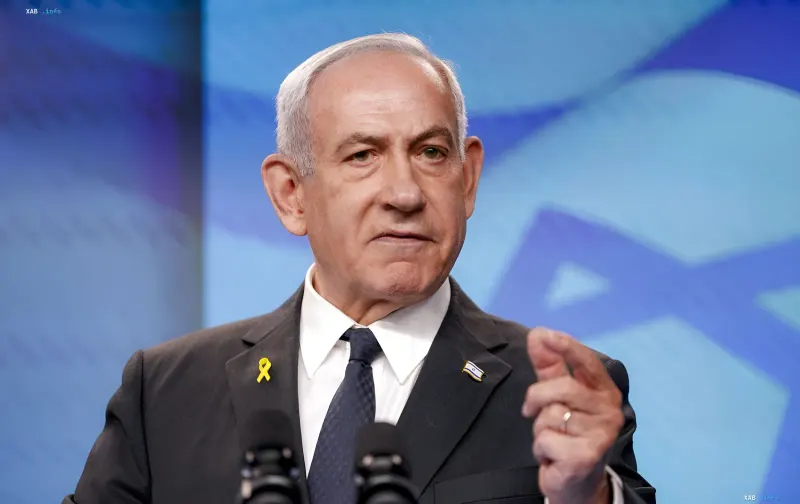
A historic ceremony took place at the US State Department for the signing of a trilateral framework agreement between Israel, Lebanon, and the United States. The document, which Secretary of State Marco Rubio called the "beginning of the beginning" of a complex settlement process, provides for the start of a partial withdrawal of Israeli troops from southern Lebanon. Ambassadors from Israel and Lebanon, as well as American diplomats, participated in the event.
Conditions for troop withdrawal and the creation of a buffer zone
According to the text of the agreement, units of the Israel Defense Forces (IDF) will leave several small areas in southern Lebanon. The Lebanese army has already begun preparations to take control of two pilot zones agreed upon with the Israeli side. However, the conditions for the withdrawal of troops have critically important caveats regarding Israel's security.
Israeli Prime Minister Benjamin Netanyahu, in a special video address, clearly outlined Jerusalem's position: the country reserves the right to full control over the created buffer zone. According to the head of government, Israel will maintain a presence in this area until "Hezbollah" is fully disarmed and as long as a threat to the state exists.
"We will not allow Hezbollah militants or the civilian Lebanese population to enter this security zone, which covers the range of anti-tank missiles," Netanyahu emphasized. The Prime Minister's Office added that the IDF's freedom of military action will be fully preserved throughout the security zone to eliminate any potential threats.
Iran excluded from the settlement process
The Israeli side emphasized that the signed document effectively excludes Tehran from the settlement processes within Lebanon. Israel's Ambassador to the US, Ehiel Leiter, noted that despite previous attempts by Washington to involve Iran in deconfliction mechanisms, the current agreement negates this.
"In this trilateral framework agreement, Iran is out of the agreement, Hezbollah is out of the agreement, and the path to peace between Israel and Lebanon is open," the Israeli diplomat stated.
Context of the conflict and prerequisites for the agreement
The signing of the agreement took place against the backdrop of a tense history of confrontation. On June 19, 2026, Israel and Hezbollah agreed to a ceasefire following another flare-up of the conflict in Lebanon. At that time, the restoration of the ceasefire regime occurred with the mediation of the US and Qatar. However, due to the escalation of hostilities, the parties had to cancel the US-Iran negotiations in Switzerland.
This was preceded by a serious escalation when Israel attacked Lebanon the day before the US-Iran peace agreement. The Israel Defense Forces launched massive airstrikes on the group's infrastructure facilities in Beirut. Prime Minister Benjamin Netanyahu stated that the country would not tolerate shelling of its territories.
Earlier, the head of the Israeli government allowed that Israel would have to fight against Iran without the support of the United States. Jerusalem considered the scenario of an independent strike on Tehran, despite all the associated risks and costs. Now, with the signing of the new agreement, the focus has shifted to creating security zones and isolating the Iranian factor from the regional agenda.


