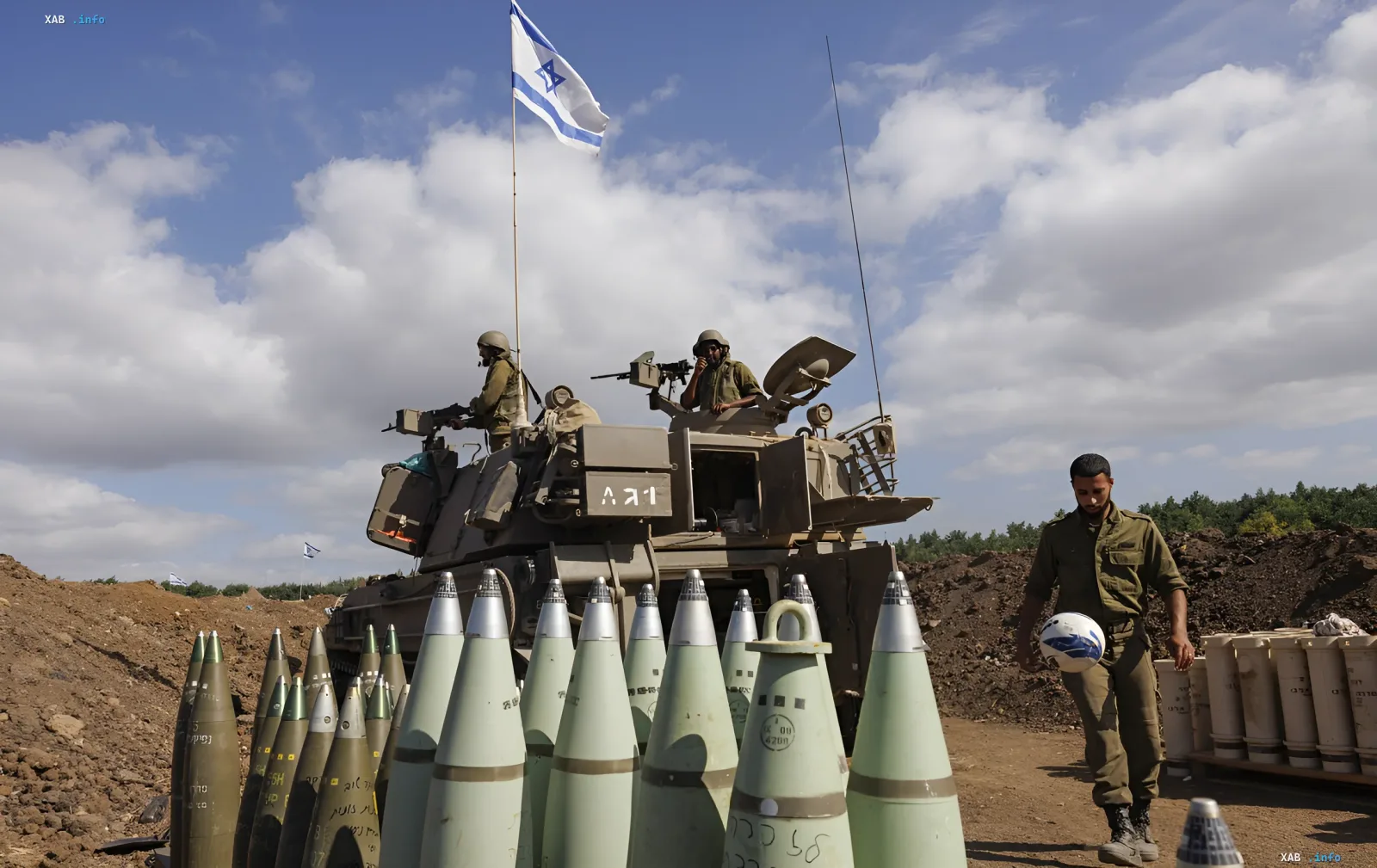
The Israeli military has struck military targets in western and central Iran. Explosions were reported in at least three cities — Tehran, Tabriz, and Isfahan. The Israel Defense Forces (IDF) confirmed that the attack was directed at military objectives. According to Iran’s state-run IRGC media, Israel employed air-launched ballistic missiles.
Explosions were recorded in Tehran, Tabriz, and Isfahan — as reported by Iranian state media. The strike occurred despite U.S. President Donald Trump personally urging Israeli Prime Minister Benjamin Netanyahu to refrain from retaliating against Iran’s missile attacks on Israel. Trump also stated in an interview with Financial Times that Israel “will have no choice” but to accept any U.S.-Iran agreement.
On the eve of the strike, Iran launched its first ballistic missile attack on Israel since April — two missiles targeting northern Israel were intercepted by air defense systems. Following this, Trump called Netanyahu and declared he would instruct him to hold back from responding. “He will have no choice. I make the decisions. I make all the decisions. He does not,” the U.S. president said regarding the Israeli prime minister.
A senior advisor to Iran’s Supreme Leader warned: if Israel continues escalating, Tehran may block the Bab el-Mandeb Strait — another critical maritime corridor in the Middle East. This week, Iran also suspended negotiations with the U.S. due to ongoing Israeli strikes on Lebanon, stating it would resume dialogue only after those attacks cease.
Context: Escalating Tensions
These developments unfold amid rising tensions between Israel and Iran. Iranian attacks on Israel, including missile strikes, have been framed as responses to Israeli operations in the region. In turn, Israel continues striking military targets within Iran, raising fears of further deterioration.
International Community Response
The international community watches these events with growing concern. The U.S., seeking to prevent escalation, is attempting to mediate between the parties. However, acting unilaterally, Israel persists in targeting Iranian military sites — drawing criticism from some nations.
Regional Consequences
Escalation between Israel and Iran could have serious repercussions across the entire Middle East. A potential blockade of the Bab el-Mandeb Strait could disrupt global trade routes and trigger energy price surges. Furthermore, continued strikes may lead to additional casualties and destruction in the region.


