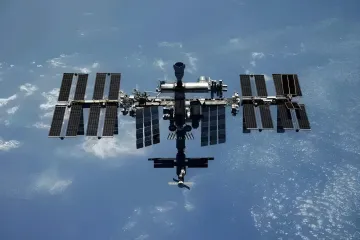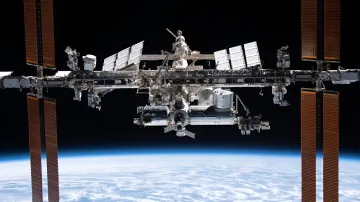
The American space agency NASA sees no technical obstacles to continuing the operation of the International Space Station (ISS) after 2030. This was stated by agency representative Joshua Finch while commenting on the scenario of a possible deorbiting of the station in 2031 or 2032. The statement came against the backdrop of ongoing discussions about the future of the orbital complex, which has functioned as an international project for more than two decades.
US Stance: Technology Allows Continued Operation
According to Finch, from the perspective of engineering and technical characteristics, the station is capable of remaining operational beyond 2030. This means that the decision regarding the timing of the ISS deorbiting will be determined not so much by the state of the equipment, but by political, economic, and organizational factors, as well as the readiness of project participants to coordinate further actions.
Russian Side: From 2030 to 2032
In Russia, the deadlines for the station's end of life are being discussed at several levels. At the end of October, Roscosmos head Dmitry Bakanov reported that the deorbiting of the ISS could take place in 2031–2032. Previously, on October 28, First Deputy Prime Minister Denis Manturov stated during a government hour in the Federation Council that Moscow is discussing with foreign partners the possibility of extending the station's operation until 2032. At the same time, he emphasized that the negotiations do not affect Russia's plans to create its own orbital station, which is scheduled to begin deployment in 2028.
July Agreement and Meetings at Baikonur
Back in July 2026, Bakanov reported an agreement between Roscosmos and NASA to extend the ISS operation until 2030, after which the parties prepared a joint program for the station's end of mission at the end of 2030. According to him, he met with NASA head Jared Isaacman at Baikonur in July, and the participants discussed interaction options. Thus, current statements about the possibility of operating after 2030 supplement, rather than cancel, the previously agreed framework.
Cross-Flight Program and SpaceX Logistics
A separate element of the situation remains the cross-flight program: Roscosmos and NASA have extended it for the fourth time until 2030. Simultaneously, SpaceX notified NASA and private station developers that it will not perform crewed Crew Dragon flights on the Falcon 9 rocket after 2030. These factors shape the logistical context in which decisions about the timing of ISS operation are made.
Conclusion: Final Decision Not Yet Made
Thus, the further operation of the station remains a subject of discussion between the participants of the international project. Technical capabilities, according to NASA's assessment, allow for operation beyond 2030, but the final dates for deorbiting — 2031, 2032, or another year — will be determined following negotiations between the parties, taking into account national programs and logistical constraints.