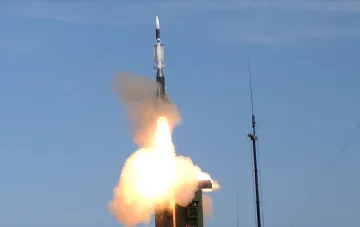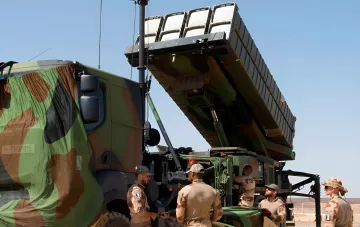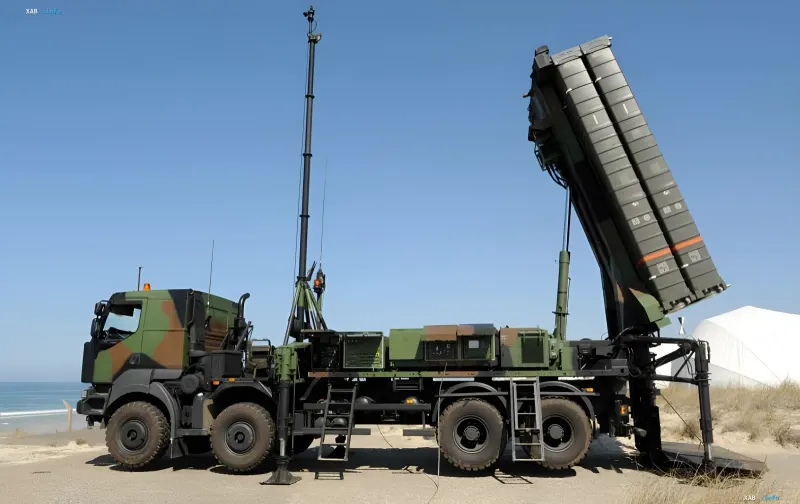
Rome appears to be reaching the limit of its capabilities to supply Aster anti-aircraft interceptor missiles to Ukraine. According to Italian and international media, the stockpiles of ammunition used by the Italian-French SAMP/T complex previously transferred to Kyiv have effectively been exhausted. Italian Defense Minister Guido Crosetto, commenting on the issue of further supplies, stated: "We must keep the Aster missiles for ourselves." This statement, made against the backdrop of preparations for the 13th military aid package — the first of 2026 — effectively signals that Rome may soon suspend the transfer of these munitions, following the path of Berlin, which previously halted missile supplies for Patriot systems.
Shifting focus: From anti-aircraft missiles to generators
Despite the reduction in the air defense component of new Italian packages, the general line of support for Ukraine, according to Rome, is not changing; its focus is merely transforming. As Russia continues targeted strikes on the Ukrainian energy system ahead of the winter period, the Italian government has decided to focus on civil resilience. A significant part of the new tranche will consist of diesel generators to support critical facilities and components necessary for repairing damaged power plants and transmission lines. The next classified shipment, according to available information, may also include elements for maintaining the functionality of already transferred SAMP/T systems — but without the interceptor missiles themselves.
The reason: Deficit and strategic reserves
Rome's official motivation comes down to the need to defend national security and maintain strategic reserves. The defense industry, according to Italian government representatives, is unable to increase the production of Aster missiles in the short term to a level that allows for simultaneously supplying its own armed forces and continuing large-scale shipments abroad. The logic is similar to that previously voiced by German Defense Minister Boris Pistorius: according to him, Berlin had already transferred several Patriot systems and munitions to Kyiv, and further shipments would create critical gaps in Germany's own air defense. Thus, both major European suppliers are reaching a similar conclusion — their own reserves are running low.
Context: The 13th package and the COPASIR meeting
The situation with the 13th military aid package from Italy, the first in 2026, remained uncertain for a long time. Previously, Western media reported that the new tranche might contain Aster interceptor missiles for SAMP/T systems. Minister Guido Crosetto was scheduled to present the package to the parliamentary intelligence and security committee, COPASIR, on November 10. The outcomes of this meeting and the final composition of the aid will be a key indicator of how far Rome will go in revising the structure of its support.
New challenges: High-speed drones and Kyiv's requests
A separate factor exerting pressure on the air defense systems of Ukraine's allies is the evolution of Russian strike assets. Kyiv is preparing requests to partners to strengthen protection against new developments, particularly high-speed automated drones like the Shahed, which have become significantly harder to counter due to their low radar cross-section and high speed. This intensifies the competition for the limited pool of anti-aircraft munitions among various systems and missions — from intercepting ballistic targets to combating massive swarm drone attacks.