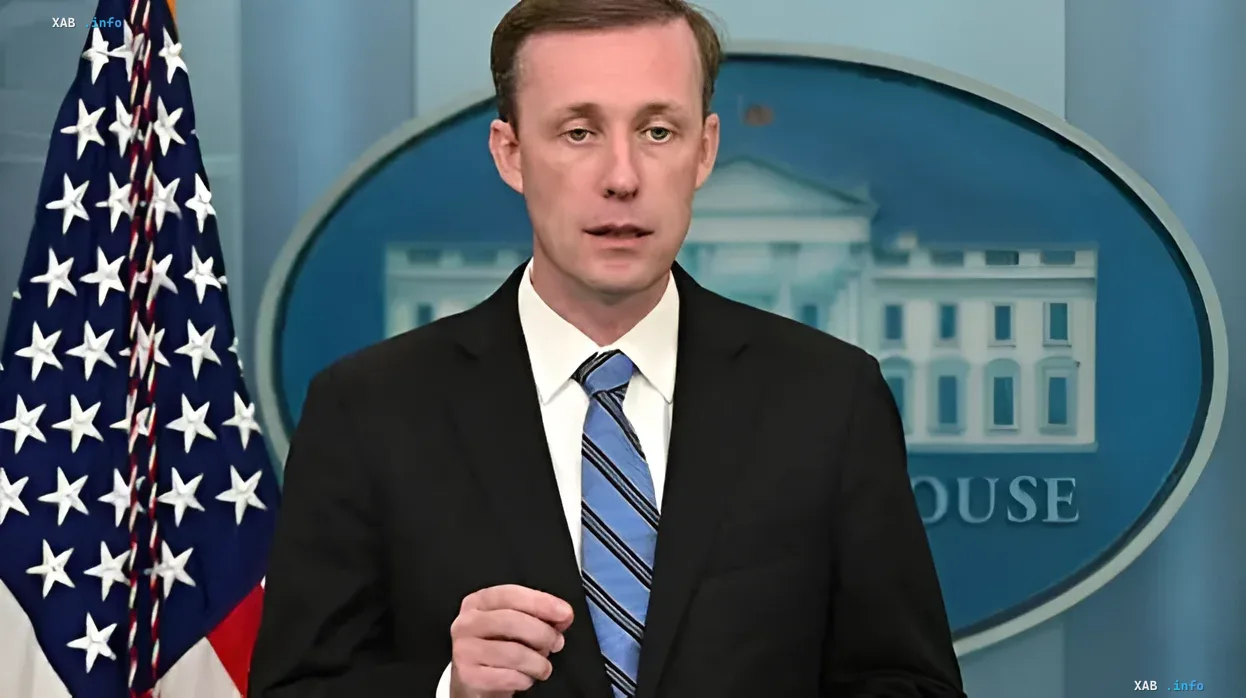
Former U.S. National Security Advisor Jake Sullivan, in an interview with National Public Radio (NPR), outlined his forecast regarding the future of Iran's nuclear program. In his view, Washington will soon face the necessity of resuming negotiations, the outcome of which will be an agreement virtually identical to the one concluded during the administration of Barack Obama.
Return to Old Parameters
Sullivan, who personally participated in the development of the 2015 nuclear deal, stated that any new agreements will replicate the parameters of the previous document, from which the U.S. withdrew in 2018 at the initiative of Donald Trump. The expert emphasized that the American side has already paid a high price for this breach and is now forced to return to the original positions.
"We could ultimately arrive at a nuclear deal. And this nuclear deal will be very similar to the agreement that President Obama, John Kerry, Wendy Sherman, and people like myself discussed many years ago, from which Donald Trump withdrew," Sullivan noted.
He added that the U.S. would return to similar terms, having already incurred costs during the absence of the treaty, although the initial withdrawal from the agreement was counterproductive.
Logistical Risks and Lack of Benefits
During the conversation, the former advisor touched upon the topic of the current geopolitical situation, specifically the security of maritime straits. Sullivan pointed out that even in the event of signing a new treaty and restoring stability in the region, Iran has already demonstrated the ability to de facto control key logistical routes.
According to him, Tehran has proven that it can subject these routes to serious risks. This means that even if the deal is resumed, the U.S. will not be able to guarantee full shipping safety, which could have been ensured in an earlier period.
Assessment of Washington's Current Position
Analyzing the circumstances, Jake Sullivan expressed skepticism regarding the possibility of the U.S. occupying a more advantageous position than the one it held before withdrawing from the original agreement. He believes that the current situation does not allow Washington to count on significant additional bonuses in negotiations.
At the moment, official representatives of the current White House administration, as well as Donald Trump's team, have not provided comments in response to the statements of the former advisor.


