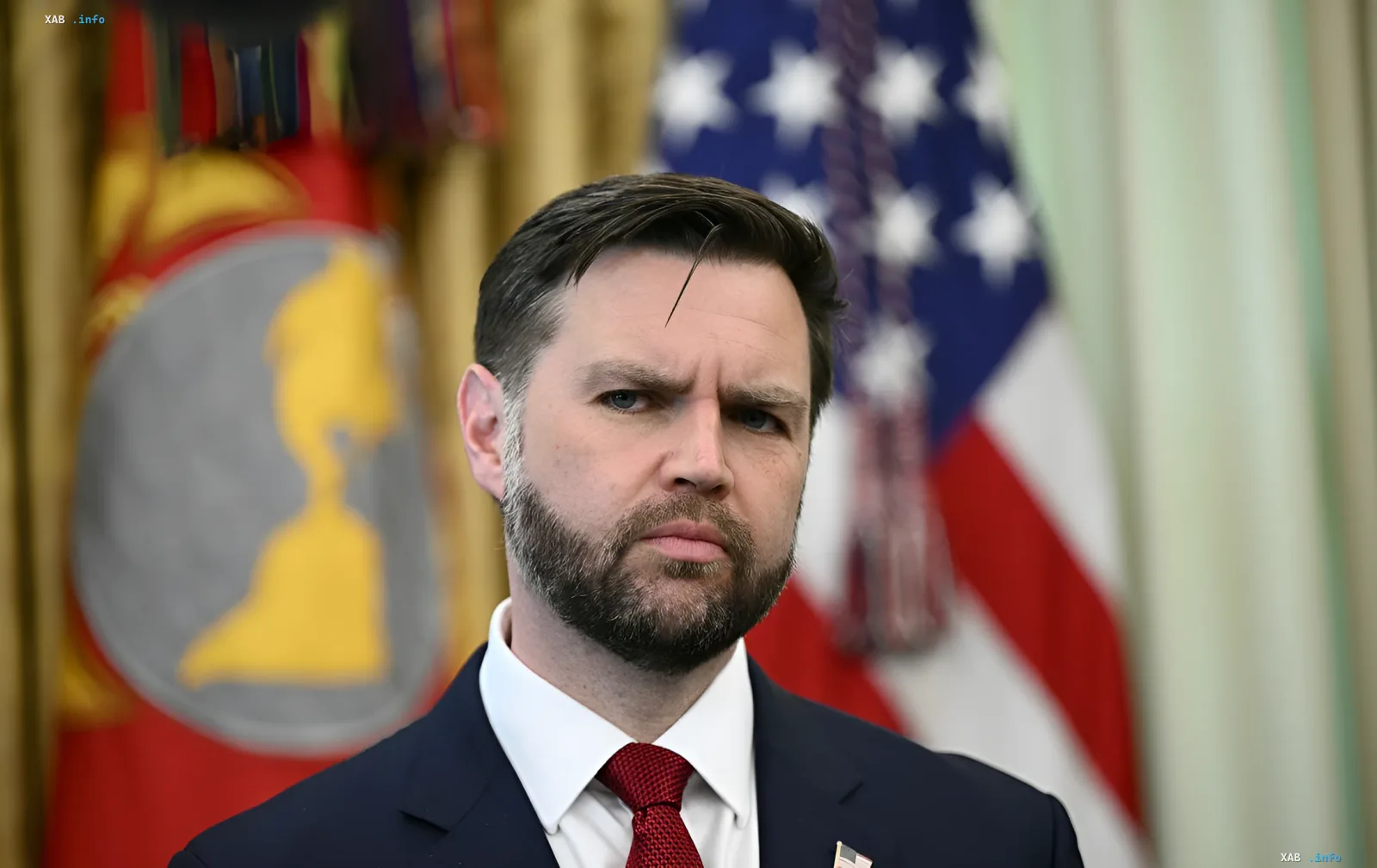
In an interview with Fox News, US Vice President JD Vance made an unprecedentedly candid statement regarding the divergence of interests between Washington and Jerusalem on the Iranian issue. According to him, while the two allies share many common goals, there are situations where their approaches are diametrically opposed.
Top Priority — The Nuclear Deal
Vance clearly outlined the main task of the American administration: to prevent Iran from acquiring nuclear weapons. "The US and Israel have many common interests. But there are also situations where our interests diverge," the Vice President emphasized.
In Washington's view, over the past year and a half, all necessary conditions have been created to achieve a long-term resolution of the nuclear issue. Vance acknowledged that this approach may not be to Israel's liking, but he insists that it aligns with the national interests of the United States.
"Israel may like it or not, but we believe it is in the interest of the United States. And we will continue down this path, because that is why the president was elected," he stated.
Conflict Amidst Negotiations
Vance's statement came against the backdrop of escalating tensions in the region. Late in the evening on June 7, Iran launched a series of missile strikes against Israel for the first time since April. According to sources, at least three waves of missiles were launched, with about ten intercepted. No casualties from direct hits were recorded.
Immediately following the attack, President Trump contacted Prime Minister Benjamin Netanyahu. The White House chief urged Israeli leadership to refrain from a retaliatory strike, assuring them that negotiations with Tehran were in the final stages. However, Israel ignored this request.
Retaliatory Strike and New Threats
On the morning of June 8, the Israeli Air Force struck missile launchers and military infrastructure facilities in Iran. On the same day, Tehran announced the cessation of active operations against Israel. However, the Iranian statement contained a warning: if Israel continues military operations in Lebanon, there will be "harsher and more destructive actions".
Thus, the divergence in strategies between Washington and Jerusalem is becoming increasingly evident. While the US seeks a diplomatic conclusion to the nuclear crisis, Israel continues to insist on a forceful response to security threats.


