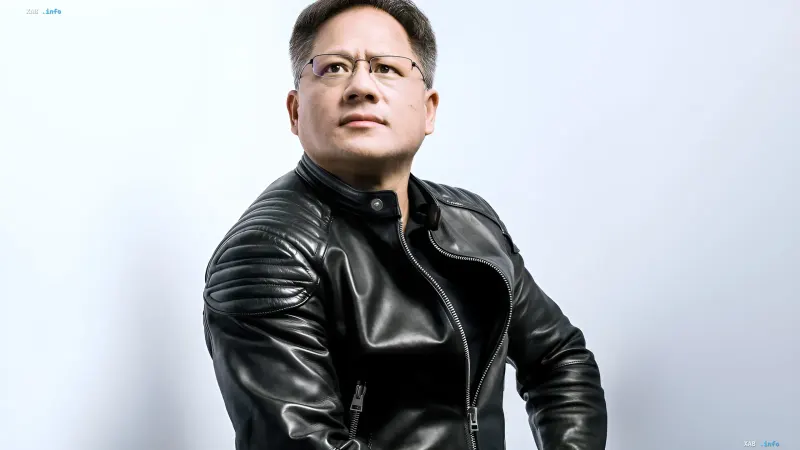
Nvidia CEO Jensen Huang recently discussed the impact of rapid artificial intelligence development on the global labor market and public anxiety levels in an interview with journalist Ezra Klein. The tech executive noted that he deeply understands citizens' concerns, but considers them largely unjustified. In his view, the technological revolution will not destroy jobs as such, but will radically transform the very essence of human activity by making complex tools accessible to absolutely everyone.
Anxiety Statistics and Business Response
The discussion was prompted by recent sociological data showing that about 79% of U.S. citizens harbor serious fears regarding potential layoffs and job losses due to large-scale digitalization and the integration of neural networks. Journalist Ezra Klein drew a parallel with the crisis of traditional professions during the globalization era, suggesting that the current unprecedented speed of technological change should only heighten public panic.
In response, Jensen Huang countered pessimistic forecasts by pointing out a fundamental difference between the current situation and past industrial shifts. The difficulties of the transition period, according to the top manager, are more than compensated by the colossal growth in software accessibility. While previously managing complex software required deep knowledge of specific programming languages and years of specialized training, users today need only communicate in ordinary human language.
Contradictory Data
Meanwhile, expert circles and labor market analysts harbor serious disagreements regarding the long-term consequences of automation. On one hand, optimists like Jensen Huang argue that artificial intelligence will become a universal assistant boosting productivity and creating new high-tech niches. On the other hand, independent economists and researchers point to record rates of routine and even creative job displacement, warning of structural unemployment risks during the transition period.
The Nvidia founder also emphasized that the immense burdens, risks, and responsibilities for developing the entire technological ecosystem remain his personal concern rather than a burden on ordinary consumers. Society receives ready-made tools and the fruits of continuous innovation. The entrepreneur warned that citizens and companies who consciously ignore new realities and refuse to apply AI in practice risk falling hopelessly behind a rapidly changing era.