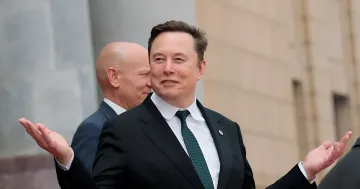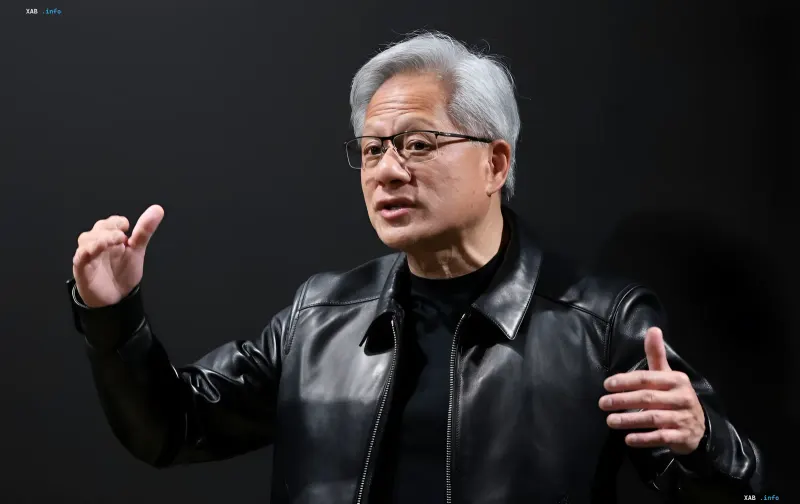
Following the US midterm congressional elections held on November 3, 2026, Nvidia CEO Jensen Huang lost $15.1 billion, dropping from 9th to 13th place on the Bloomberg Billionaires Index. His total assets are now estimated at $150.9 billion. At the same time, significant net worth reductions were recorded for SpaceX founder Elon Musk (down $79.7 billion) and Oracle co-founder Larry Ellison (down $10.1 billion). The combined wealth of the 500 individuals on the Bloomberg index decreased by $185 billion following the elections.
Tech Giants' Stock Plunge
The primary driver behind the sharp decline in tech leaders' capital was falling stock quotes on financial markets. Nvidia shares dropped by 9.3%, marking the steepest decline since January 2025. SpaceX shares lost 9%, and Oracle dropped 6.9%. According to Bloomberg, investors fear that the new Congress, where Democrats have gained control of both chambers, will block or significantly restrict the construction of new data centers. These facilities constitute the critical infrastructure for artificial intelligence, which has driven tech company valuations in recent years.
Political Context: Democrats Take Congress
On November 3, 2026, the US midterm elections took place, resulting in the Democratic Party seizing control of the Senate and the House of Representatives. This means that for the next two years, the legislative agenda will be dictated by the Democrats, while Republican President Donald Trump will face systemic opposition in Congress. According to Bloomberg, the prospect of legislative restrictions on AI infrastructure triggered the sell-off in tech stocks.
Trump’s Reaction: Veto Threat and Willingness to Cooperate
Following the Republicans' defeat in the midterms, US President Donald Trump publicly threatened to veto Democratic initiatives that he believes would harm the economy and the technology sector. At the same time, he officially acknowledged the election results and expressed readiness to cooperate with the new Congress. Such rhetoric does not eliminate investor uncertainty: even with a willingness to dialogue, a presidential veto can freeze bills indefinitely, making long-term planning in AI infrastructure riskier.
What This Means for the AI Market
The events of November 3–6, 2026, clearly demonstrated how sensitive tech company capitalization is to political factors. The AI sector, which fueled the main valuation growth of big tech in 2024–2025, now faces regulatory pressure from Congress. The loss of $185 billion in total capital among the top 500 billionaires in a matter of days is a record figure for a post-electoral period. Analysts are monitoring which bills Democrats will introduce in the new Congress's first session and how strict the limitations on data center construction and AI power consumption will be.