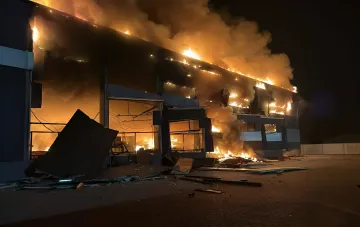
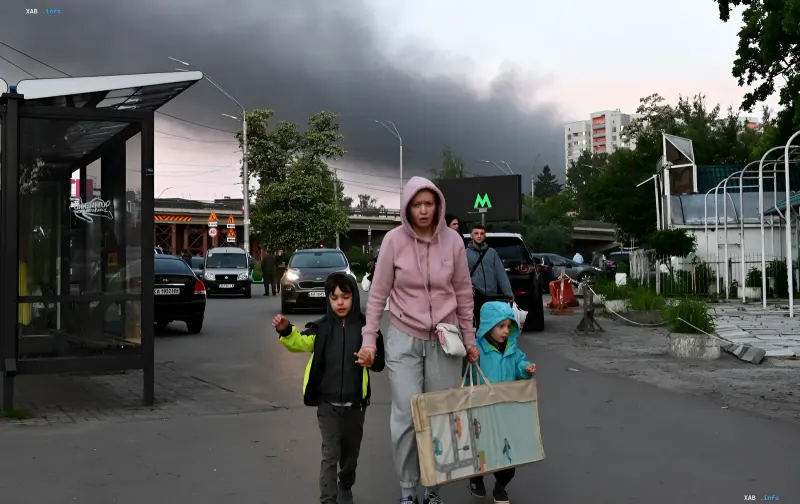
Jet-powered drones over Kyiv: air raid alert declared in the capital and explosions heard


Key Points
- On the morning of September 2, the Air Force detected several jet-powered drones heading toward Kyiv and the region along different courses.
- An air raid alert was declared in Kyiv, and residents were urged to take shelter; explosions were heard in the capital.
- On September 1, Vishneve, the Brovary district, and the Podil district of Kyiv came under strikes, with fires reported.
- Expert Anton Zemnianyi expects the strike tactics against Kyiv to continue at least until the Russian State Duma elections and warns of risks to the western regions.
Verified Sources
-
What was verified: Подтверждает атаку реактивных дронов и взрывы в Киеве; совпадает с базовым текстом по факту тревоги и ударов.
-
What was verified: Подтверждает запуск реактивных дронов по Украине и угрозу Киеву; контекст по направлениям атаки.
-
Attack on Kyiv: Russian drones moving chaotically over the capital, explosions ringing out ↗ Confirmed with reservations
What was verified: Указывает на множественное число взрывов («гремят взрывы»), что расходит с единичным взрывом в базовом тексте — отражено в разделе противоречий.
-
Russia again attacks Kyiv with drones: explosions heard in the capital — details (updated) ↗ Confirmed
What was verified: Подтверждает повторную атаку дронов на Киев и взрывы в столице; обновляемый материал по развивающейся ситуации.
Frequently Asked Questions (FAQ)
What happened in Kyiv on the morning of September 2?
The Air Force of Ukraine detected the movement of several jet-powered drones toward Kyiv and the region. An air raid alert was declared in the capital, residents were urged to take shelter, and explosions were heard in the city.
In which directions were the drones heading?
According to the Air Force, one drone in Cherkasy region passed near Korsun-Shevchenkovskyi toward the Kyiv region, a second was heading toward Hostomel and Bucha from the north, a third — toward Kyiv past Kotyubynske, and a fourth — toward Obukhiv.
What happened in the Kyiv region on September 1?
On the evening of September 1, reportedly, two townhouses were destroyed in Vishneve, and a private house and warehouses in the Brovary district were damaged, with fires breaking out; on the morning of the same day, a fire broke out on the upper floors of a 16-story building in the Podil district of Kyiv.
How many explosions were there in Kyiv?
The base text reports a single explosion, while a number of media outlets refer to multiple explosions. The exact number is not recorded as an established fact until official verification of data by the Kyiv military administration.