Ukrainian agriculture at the end of July 2026 found itself at the center of a complex climatic confrontation. Instead of the expected stable summer weather, farmers faced sharp temperature fluctuations and uneven precipitation distribution. The situation described by specialists from the Ukrainian Hydrometeorological Center (UkrGMTC) demonstrates how rapidly changing weather conditions can affect the quality and volume of the future harvest.
Cool July and Temperature Anomalies
The third decade of July 2026 in Ukraine will be remembered as cool for mid-summer. According to meteorologists, on the coldest days, the average daily air temperature was 3–7°C below the climate norm. Although the temperature background approached normal figures in the middle of the decade, the overall level of the average decadal temperature remained reduced.
Specialists note that low nighttime air and soil temperatures on certain days negatively affected the development of some agricultural crops. However, this factor had a flip side: the cool weather restrained moisture evaporation from the soil, which, combined with periodic rains, allowed for maintaining moisture supply at a satisfactory level.
Gusts, Hail, and Uneven Precipitation
During the decade, several atmospheric fronts moved across the country, often accompanied by heavy downpours, gusts, and hail. The nature of precipitation was typically summer-like—predominantly local thunderstorms of varying intensity. However, their distribution across the territory proved atypical.
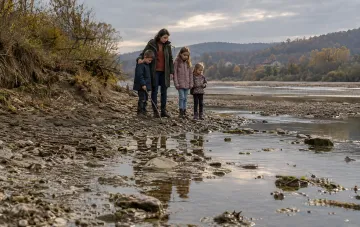
A clear imbalance is observed: in the western half of the country, there was significantly less rain than in the east. While some regions suffered from waterlogging, others experienced soil drought. Such heterogeneity of agrometeorological conditions created serious risks for farmers.
Threats to the Harvest: From Fungal Diseases to Drought
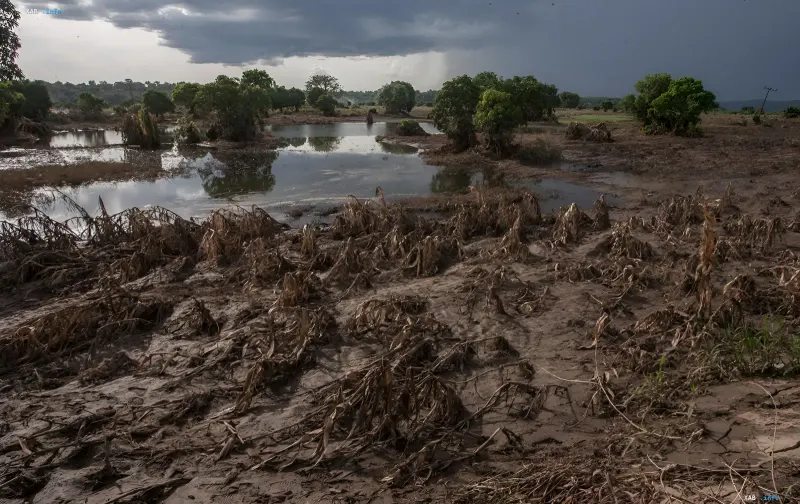
In the Right-Bank regions, cool rainy weather combined with high air and soil humidity created ideal conditions for the development of pathogens. UkrGMTC experts warn of risks for early grain crops. In particular, excessive moisture contributed to the blackening and fungal infection of grain, as well as hindering the ripening process.
At the same time, in other regions, agrometeorological conditions were unfavorable due to continuing soil drought. The situation is complicated by the fact that earlier, in early July, farmers had already faced record heat and heavy downpours, which also affected the future harvest in orchards, vegetable gardens, and fields.