
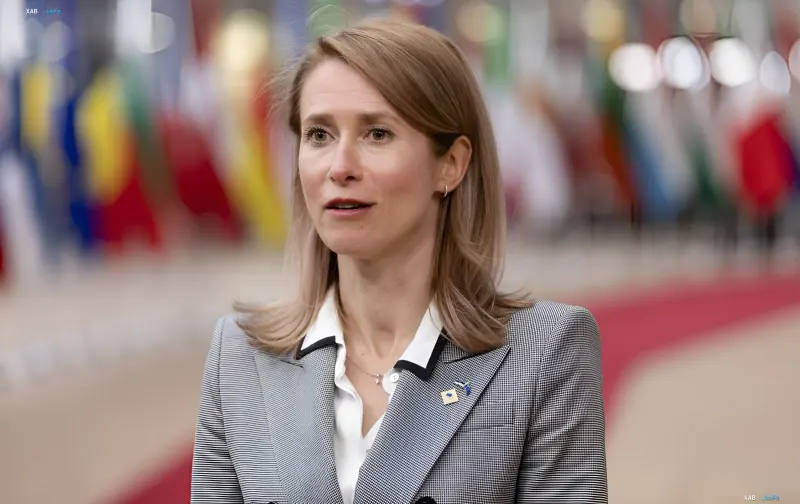
Amid rising geopolitical tensions, the European Union is seeking a balance between autonomy and alliance commitments. The head of European diplomacy, Kaja Kallas, has clearly outlined Brussels' priorities: strengthening the continent's defense capabilities must occur without creating structures that duplicate those of the North Atlantic Alliance.
Strategy Without Parallel Structures
According to Kallas, Europe's main goal in the current situation is to strengthen its own defense, but strictly within the framework of cooperation with NATO. Brussels intends to avoid creating parallel institutions that could duplicate the functions of the Alliance. Instead, the focus is on close coordination of actions.
Special attention is paid to the economic and industrial aspects of security. The priorities for the European Union are:
- Significant increase in investments in the defense sector;
- Development of its own defense industry;
- Organization of joint procurement of military products to increase efficiency.
Rejection of a Unified European Army
Kaja Kallas also commented on the idea, popular in some circles, of creating a unified European army. The head of EU diplomacy rejected this scenario, explaining that each member country already has its own armed forces. These national armies are integrated into the NATO collective defense system, making the creation of a separate structure redundant.
In Kallas's opinion, strengthening European defense should serve as a complement to NATO, not a replacement. It is this approach, she believes, that can ensure the real strengthening of the European component of collective security.
Background of Geopolitical Instability
Statements by European leaders come against the backdrop of serious threats from Russia. According to available data, Moscow is considering the possibility of conducting a limited military operation against NATO countries after the end of the conflict in Ukraine. In particular, threats have been voiced against the Baltic states — Lithuania, Latvia, and Estonia.
Other European states are also preparing for a potential confrontation. The cause for concern was the provocations by Russian drones in NATO airspace, which began in the autumn of last year.
The US Factor and the Question of Autonomy
An important factor influencing Europe's strategy is the changing role of the United States in the region. Washington is demonstrating less activity in Europe, which is partly related to the position of several capitals that refused to support President Donald Trump in the campaign against Iran.
A vivid example was Trump's decision to withdraw more than 5,000 American troops from Germany. This forced Berlin to urgently engage in the reform of the Bundeswehr and the development of rapid response mechanisms. However, Europe's desire for greater autonomy and reliance on its own forces began even earlier, when Trump merely hinted at reducing aid.
The situation remains tense: despite the visit of NATO Secretary General Mark Rutte to Washington to reconcile with the US administration, no radical shifts have occurred. European countries continue to look for ways to meet the requirements of the White House, in particular, regarding reaching defense spending of 5% of GDP.


