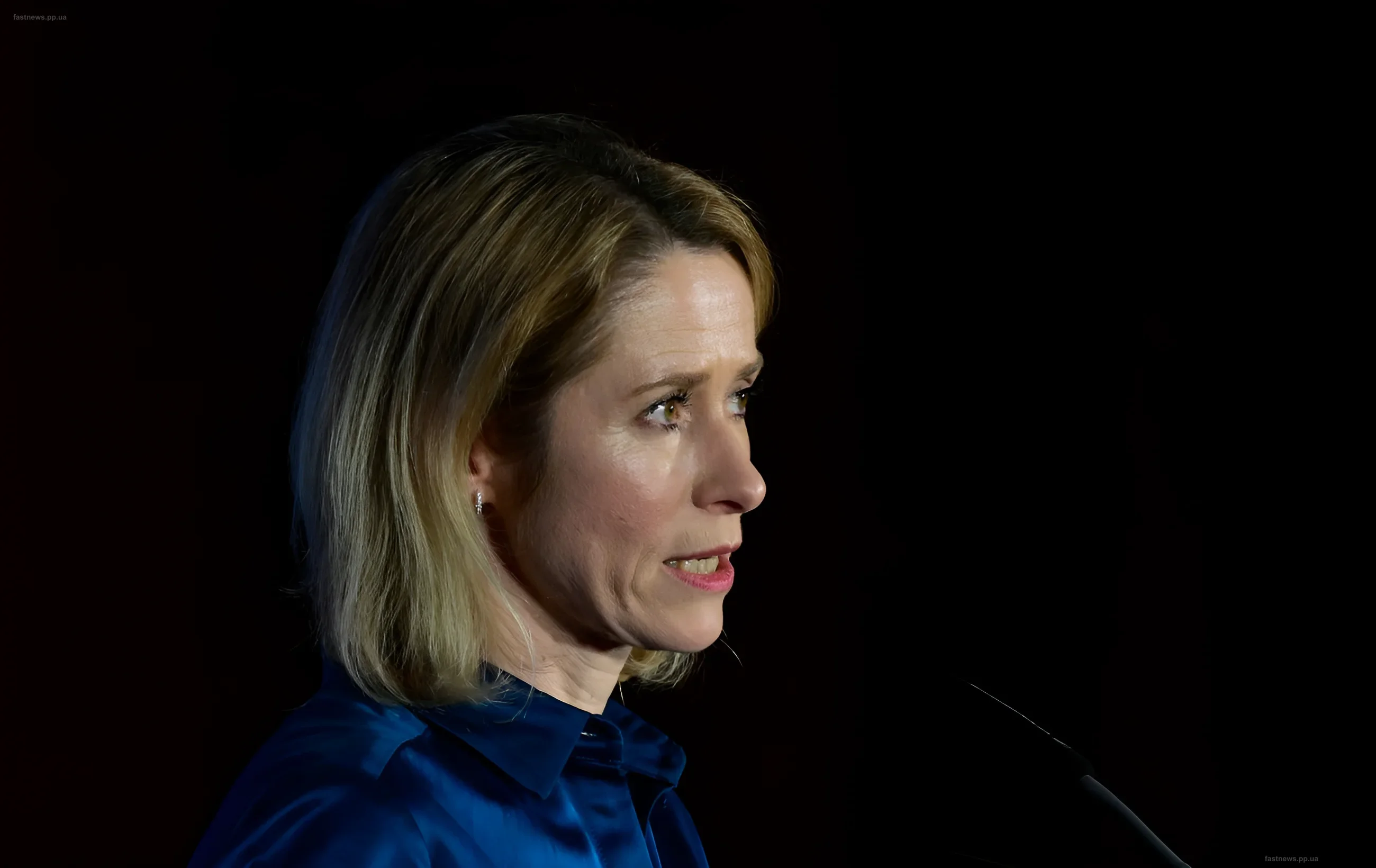
European diplomacy has taken a hardline stance: the head of the EU's foreign affairs body, Kaja Kallas, has definitively closed the door on the idea of neutral mediation. As the world awaits a resolution to the conflict, Brussels has clearly defined its role—not as an arbiter, but as an active supporter of Ukraine.
Why the EU Will Not Be a 'Judge' in the Dispute with Moscow
Kallas did not resort to diplomatic euphemisms, stating directly: Europe will never be a neutral intermediary between Russia and Ukraine. Brussels' logic is simple and strict—the EU stands firmly on the side of Kyiv, defending its own security interests. It is impossible to remain impartial when one side of the conflict threatens the foundation of the European order.
The refusal to create a post for a special envoy tasked with dialogue with Moscow has sent a signal to all interested parties. Previously, the list of potential 'peacemakers' included prominent names: former German Chancellor Angela Merkel, former Italian Prime Minister Mario Draghi, Finnish President Alexander Stubb, and European Council President António Costa. However, it is now clear that their experience will not be utilized in the role of a 'judge'.
A Strategy of Complementing, Not Replacing, the US
An important nuance voiced by Kallas concerns the role of Washington. Despite the US shifting its focus to tensions in Iran, the European Union does not intend to replace Americans in the peace process. Brussels' strategy is built on the principle of complementing Washington's efforts, rather than attempting to seize the initiative at the expense of coordination with allies.
Instead of searching for a 'super-intermediary', the focus has shifted to formulating a unified position. Kyiv, represented by Minister Andriy Sybiga, insists on concrete steps: demilitarization of the Zaporizhzhia Nuclear Power Plant, the creation of humanitarian corridors, and the definition of a clear mandate. Sybiga emphasized: first, a strategy and a single European voice are needed, and only then—the selection of a person to implement it.
Red Lines and Conditions for Peace
Kaja Kallas has already prepared a confidential document that has been discussed by EU countries since February. It outlines strict conditions without which a compromise is impossible. The list of 'red lines' is substantial and leaves no room for maneuver for Moscow:
- Refusal to recognize the occupied territories of Ukraine.
- Complete cessation of sabotage, cyberattacks, and election interference.
- Payment of reparations and the return of abducted children.
- Release of journalists and withdrawal of troops from Georgia and Moldova.
Particular attention is paid to security issues. Kallas warned: if a peace agreement requires limiting the size of the Ukrainian army, then Russia's capabilities for rearmament must also be strictly limited. The question remains whether all 27 EU member states will be able to support this document unanimously, but the vector has been chosen.
Against the backdrop of these statements, US Secretary of State Marco Rubio expressed hope for the resumption of the peace process in the near future, noting Washington's readiness to do everything possible to end the war. However, as Kallas's position shows, the path to peace lies not through neutral mediation, but through pressure and clear conditions.


