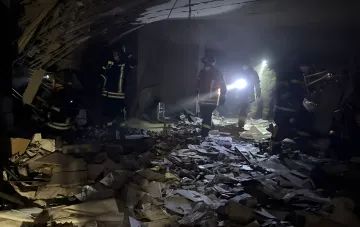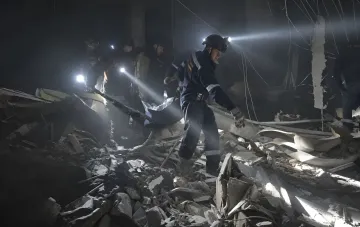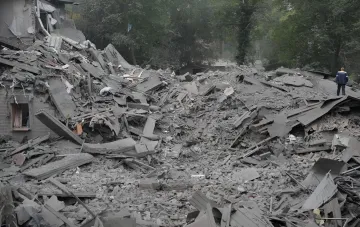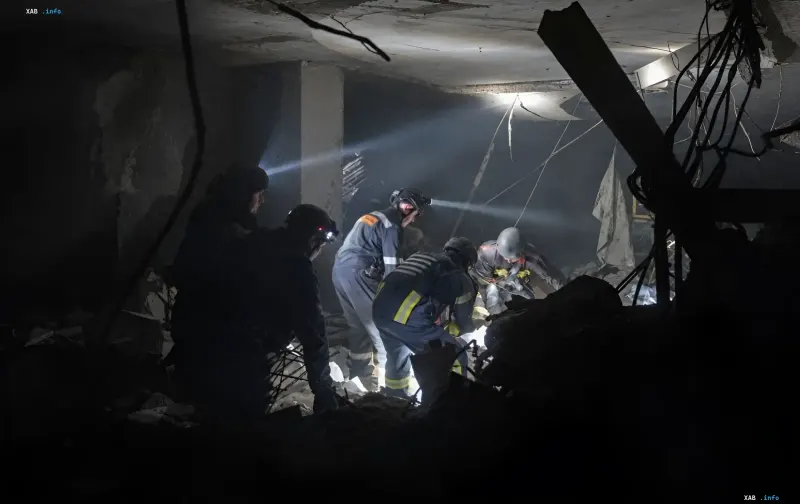
In Kamyshevakha, Zaporizhzhia region, 31 people were killed and another 58 are listed as missing following a Russian strike, according to local authorities. This was stated by the head of the Zaporizhzhia Regional State Administration (RMA), Mykhailo Semykin, as reported by RBC-Ukraine. According to him, this is the most deadly Russian shelling in the region in nearly five years of full-scale war. Rescuers continue to clear the rubble at the site of the tragedy, but Semykin noted that ongoing drone aerial attacks force them to constantly suspend search operations.
Scale of the tragedy and identification of victims
According to the RMA head, as of his address, 31 fatalities are known, 20 of whom have not yet been identified—identification is ongoing. Five wounded individuals are receiving medical treatment, with doctors fighting for their lives and health. Another 58 people are missing, indicating that the final casualty toll may change as operations under the rubble continue.
Search operations under threat of drone attacks
Semykin emphasized that clearing the rubble is "very difficult and dangerous work," and the enemy has intensified drone attacks on the site of the tragedy. Due to aerial threats, the RMA head reported, search operations have to be constantly halted, which slows down rescue operations and impedes access to potential victims trapped beneath the debris.
Chronology of strikes: school and shelter
As noted in the report, on Monday, November 2, Kamyshevakha was hit twice by aerial bombs. According to local authorities, the strikes hit a school where humanitarian aid was being distributed at the time, as well as a shelter. President Volodymyr Zelenskyy noted that the Russian military was aware that aid was regularly distributed at this location every week.
Support for the families of the victims
The head of the Zaporizhzhia RMA also stated that every family of the victims will be provided with financial assistance for burial and will receive full support in processing the necessary documents. Thus, regional authorities are addressing both the operational and social aspects of responding to the consequences of the strike.
At the time of preparation of this material, the final figures for the dead and missing, according to local authorities, remain preliminary: identification of unidentified bodies and the search for the missing continue, while operations under the rubble are periodically interrupted due to drone attacks.