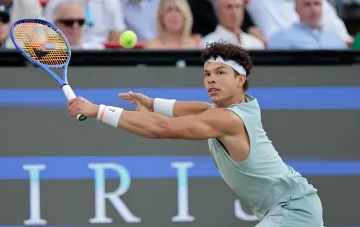
The Japanese tennis world and the global sports community are bidding farewell to one of their primary icons. Legendary Japanese tennis player Kei Nishikori has officially ended his professional career, bringing a long and brilliant chapter of international competition to a close. The final tournament in the 19-year career of the 36-year-old athlete was the home Japan Open in Tokyo. On the courts of his native capital, he faced world No. 8 Frances Tiafoe, losing in a hard-fought match that marked his final appearance as an active competitor.
Emotional Farewell on the Central Court
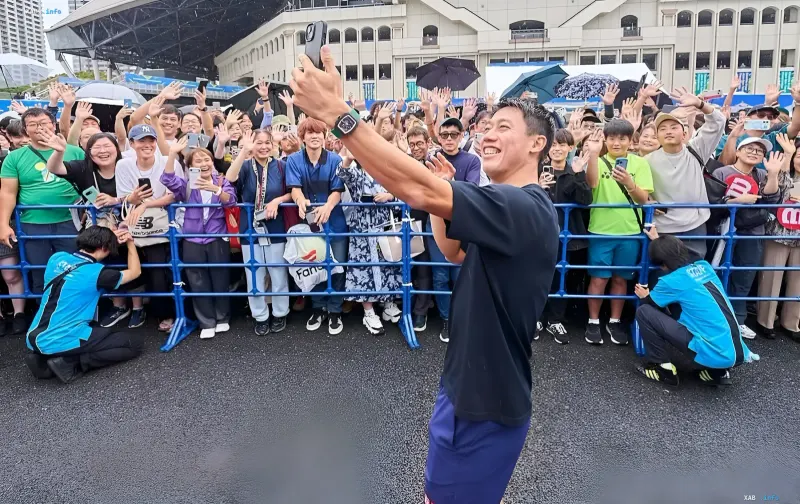
Following the final point against Tiafoe, the arena was filled with an atmosphere of deep respect and melancholy. Kei Nishikori could not hold back his tears while addressing the stands of the central court, where he had experienced the triumphant moments of his youth by winning titles in 2012 and 2014. The athlete completed a traditional lap of respect, thanking loyal fans through tears for their multi-year support through numerous injuries. "Playing in Japan is always a special moment. I would have liked to show a slightly more convincing game, but I am happy that I fought until the very end," the tennis player shared.Colleagues' Recognition and Historical Legacy
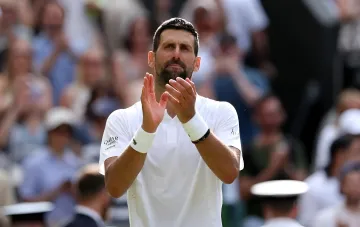
During the official farewell ceremony, the arena's massive screens displayed a touching video message from Nishikori's star peers and tour rivals, including Novak Djokovic, Andy Murray, and Michael Chang. World No. 1 Novak Djokovic specifically emphasized the incredible resilience and fighting spirit of the Japanese star, noting their numerous epic battles. Rising from a five-year-old boy with a racket to the 2014 US Open finalist and Rio Olympic bronze medalist, Nishikori has forever etched his name in history as one of Asia's most successful players, capturing 12 ATP titles.
Controversial Data
While official ATP chronicles and statistics clearly record 12 singles titles and a career-high ranking of world No. 4 for Nishikori, sports analysts and fans continue to debate the exact impact of chronic injuries on his unfulfilled potential. Some experts argue that without a series of severe back and wrist injuries, the Japanese player would have undoubtedly captured at least one Grand Slam title, whereas other commentators emphasize that simply returning to the elite level after so many surgeries is already a unique achievement surpassing pure trophy counts.