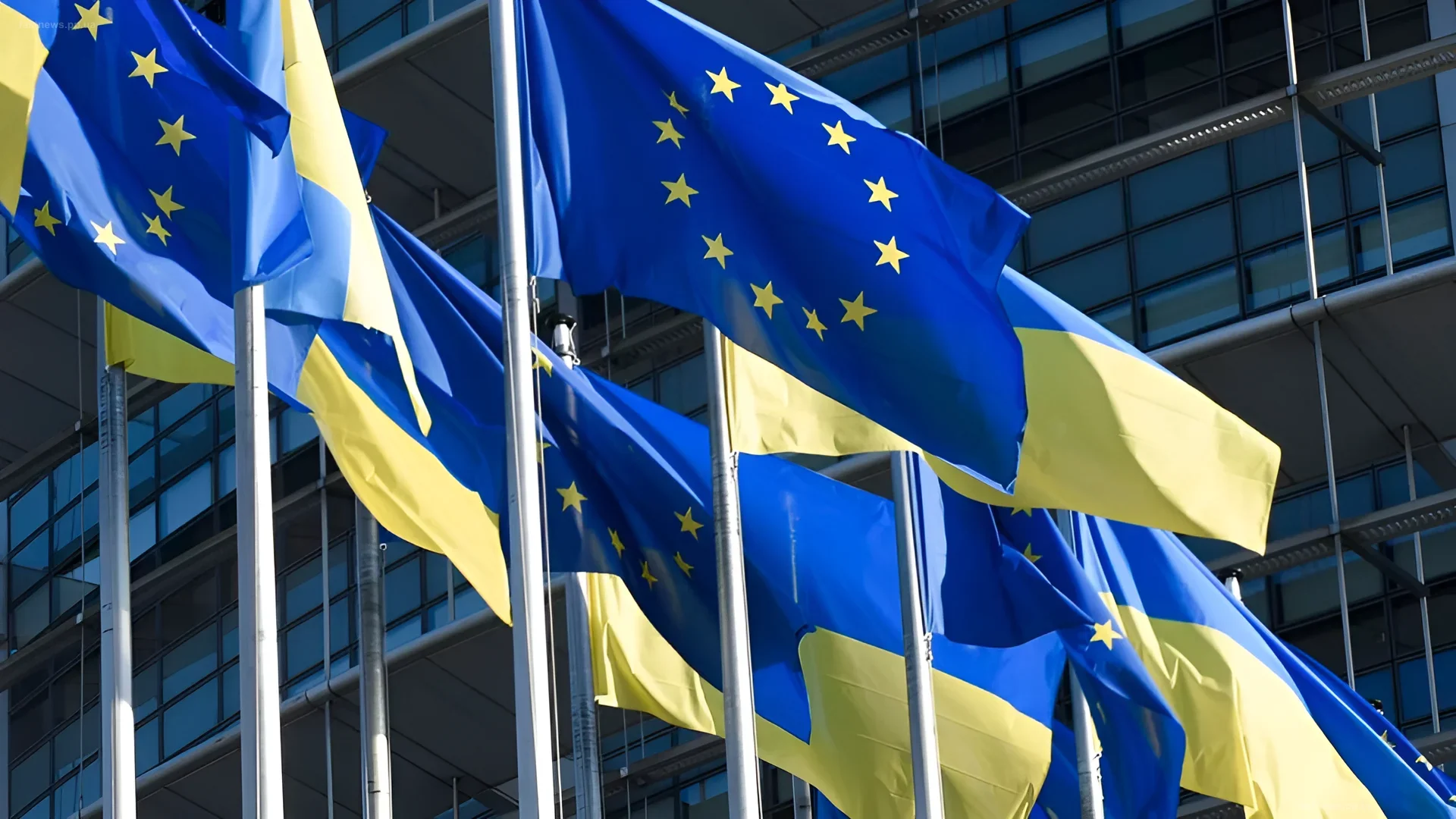
The European Commission intends to take a decisive step towards the membership of Ukraine and Moldova in the European Union. According to information from high-level sources, a proposal to open the first "cluster" of negotiation chapters will be presented as early as June 16. This event will mark a turning point in the long and complex integration process.
The document will be officially announced during a meeting of ministers for European affairs in Brussels, held within the framework of the General Affairs Council of the EU. Such a tight schedule allows the leaders of the Eurozone member states to make a final decision in just two days — at a meeting of the European Council.
The end of the era of blockades?
For a long time, the main obstacle for Ukraine on its path to the EU was Hungary's position. Viktor Orbán, the former Prime Minister, consistently blocked any steps towards bringing Kyiv closer to membership. However, the political map of the region has changed: following the March parliamentary elections, power in Budapest has changed hands.
The new Prime Minister, Péter Magyar, although not a staunch supporter of Ukraine's accession, demonstrates a more pragmatic and restrained approach. It is expected that during his visit to Brussels, he will raise the issue of unblocking European funds frozen due to violations of EU legislation during Orbán's tenure. This could become a key condition for lifting the veto.
Status quo and alternative scenarios
Despite the optimism, the final conditions for future membership remain a subject of debate. In Berlin, in particular, Chancellor Friedrich Merz voiced the idea of granting Ukraine the status of an "associate member" without full voting rights. However, Kyiv rejected this concept, insisting on full membership.
Similar position was taken by the Norwegian Minister of Foreign Affairs Espen Barth Eide, who ruled out joining the European Economic Area as an intermediate stage. For Kyiv and Chișinău, there is only one path — full membership.
How the negotiations are structured
The accession process is divided into six thematic "clusters," grouping various chapters of EU legislation. To launch each of them, a unanimous decision by all 27 member states is required. The first cluster, planned to be opened on June 16, concerns the fundamental democratic, economic, and institutional principles of the Union. The uniqueness of this block is that it is opened first but closed last — it must be fully agreed upon by the end of the negotiations.
If the first step is made successfully, the opening of the remaining clusters for Ukraine and Moldova is expected as early as July. This will accelerate the process of legislative harmonization and bring the moment of historic accession closer.


