
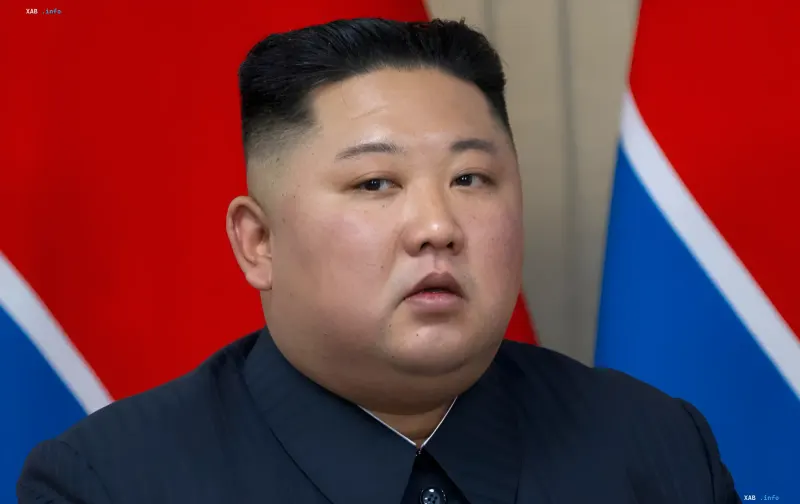
North Korean leader Kim Jong Un personally visited a new industrial facility linked to the production of nuclear materials. During the inspection, he issued a direct order to increase the country's nuclear potential at "exponential rates." This statement came against the backdrop of heightened regional tensions and increased foreign policy pressure on Pyongyang.
Inspection of a Secret Facility
The North Korean state agency KCNA published photos of Kim Jong Un's visit. In the images, the leader is inspecting equipment that experts believe is a uranium enrichment installation. Analysts suggest that the facility is part of the famous Yongbyon complex, which serves as the center of the country's nuclear program.
During the visit, Kim Jong Un cited impressive figures: over the past five years, North Korea's capacity to produce military-grade materials has more than doubled compared to the previous level. The head of state emphasized that the current expansion is a "vital" step in creating a powerful arsenal capable of countering "hostile US policies" and other security threats.
"Two-Track" Strategy and Western Reaction
The order to further increase production volumes aims to achieve Pyongyang's long-term strategic goals. This decision fits into the policy announced by the leader last September, which involves the simultaneous development of nuclear forces and conventional armed forces. North Korea's Permanent Mission to the UN has previously stated that the country's status as a nuclear power is irreversible.
Bloomberg analysts note that Kim Jong Un's statement came at a critical moment. In recent months, North Korea has intensified tests of various types of ballistic missiles and deepened military-technical cooperation with Russia, causing serious concern in the West. Earlier, the IAEA also warned that Pyongyang had likely significantly increased its nuclear weapons production capabilities.
Despite pressure from the UN, North Korea continues to expand its nuclear arsenal. According to available data, current capacities are sufficient for the country to produce about 20 new warheads annually.


