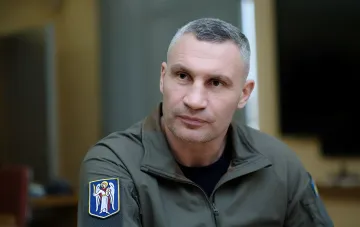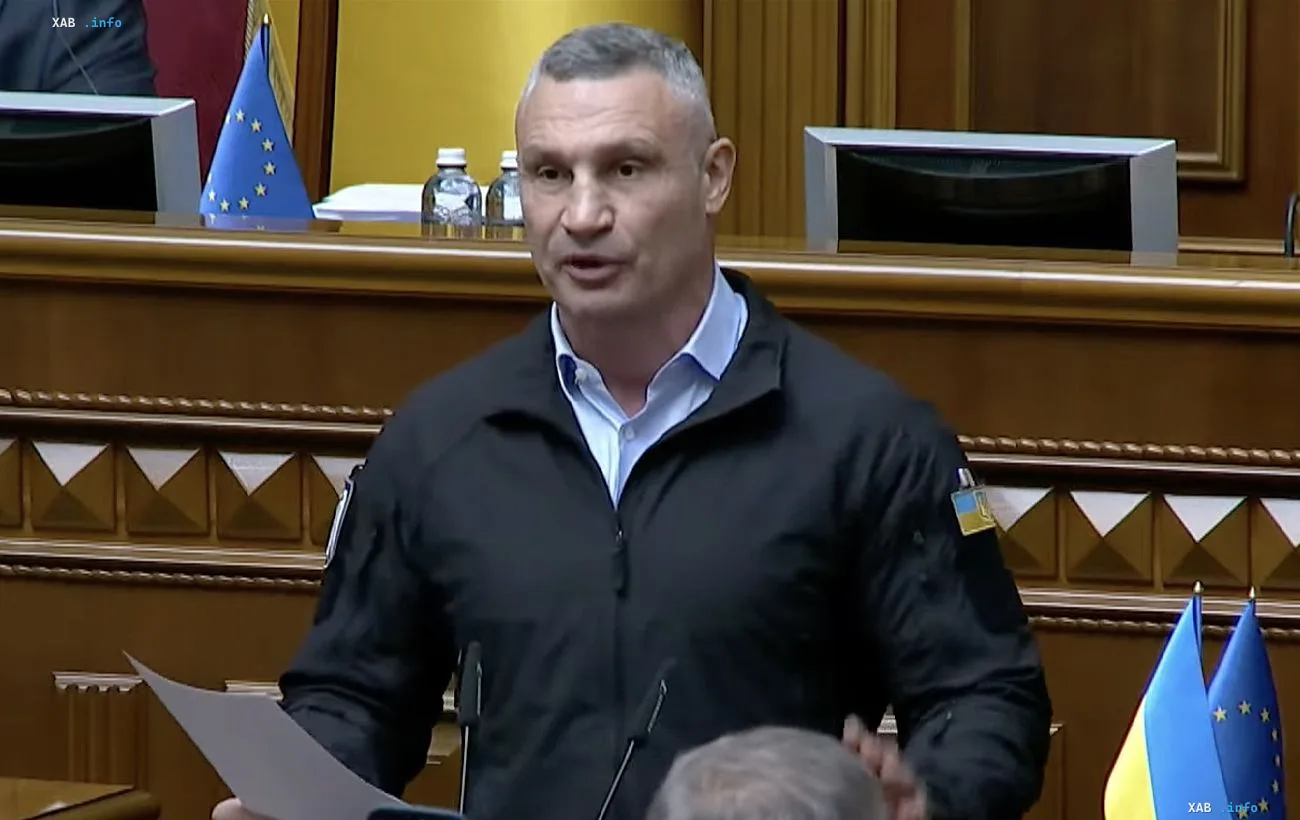
Kyiv Mayor Vitali Klitschko, during his speech in the Verkhovna Rada of Ukraine, raised pressing questions regarding the security of the capital's infrastructure and the targeted use of multi-billion-dollar funds. The city head publicly demanded a report from the central authorities on where the financial resources allocated for the protection of critical energy facilities were directed, and why air defense still does not provide sufficient safety for Kyiv residents. The speech took place amid mounting tensions between the municipal and central authorities ahead of a difficult heating season.
Large-scale challenges for Kyiv's energy system
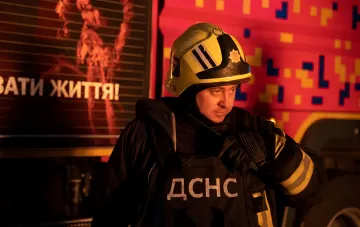
According to Vitali Klitschko, the city's utility services continue to operate under emergency conditions, ensuring the megacity's viability amidst constant massive shelling. Statistics on hits to heat and power generation facilities show a sharp increase: while 19 hits were recorded last year, this figure has approached 50 this year. Despite the heroic efforts of repair crews, the situation is complicated by a staffing shortage at utility companies and the artificial blocking of payments by government structures.
Contradictory data
The issue of responsibility for winter preparation and infrastructure protection caused serious disagreements between the capital's leadership and the ruling party. The initiative to summon the mayor to parliament on October 13 came from MP Mariana Bezuhla, who accused the city authorities of unreadiness. In response, Klitschko stated that sky protection and Ukrenergo facilities are the direct competence of the central government and Defense Forces. Furthermore, ruling party representatives claimed other cities prepared better, but Klitschko refuted this, emphasizing that all communities suffer from payment freezes.
Autonomous reserves and municipal protection measures
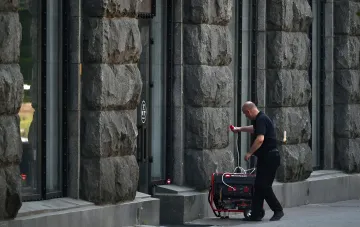
Despite financial and organizational barriers, the capital's administration has formed an unprecedented reserve of autonomous energy sources. About 700 generators of various capacities and 70 mobile boiler houses have been deployed at heat and water supply facilities. Additionally, three diesel power plants and a backup water intake have been built, while Kyivvodokanal awaits foreign equipment. The residential sector also received significant support: more than 6,000 generators, inverters, and batteries were purchased for apartment buildings.
Medical infrastructure and pressure on local self-government
The mayor paid special attention to the social sector and hospitals. To date, all Kyiv medical institutions are equipped with 480 generators, 15 clinics operate their own artesian wells, and drilling is underway in six more. Eleven hospitals have already been switched to autonomous heat supply from their own boiler houses. Concluding his speech, Klitschko harshly spoke about political pressure on local self-government, stating that in wartime, attempts to eliminate objectionable mayors are no less dangerous than external aggression.