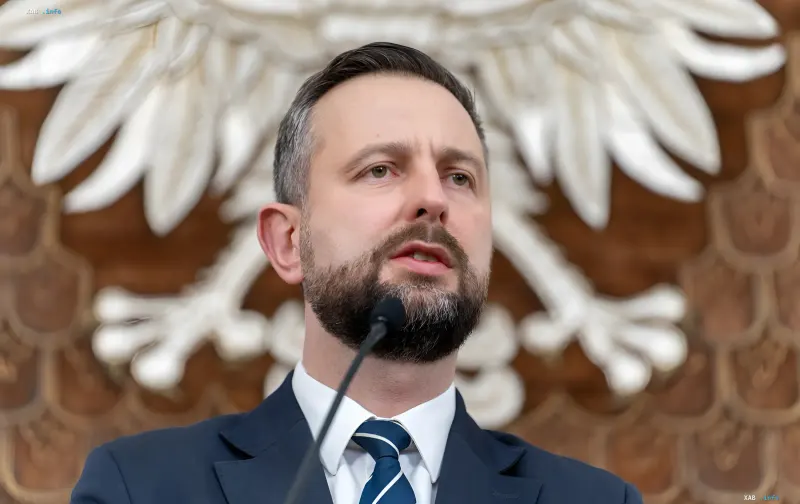
Any move towards settling historical disagreements between Ukraine and Poland is a critically important step. At the same time, maintaining discord between these countries benefits only Russia. This thesis was voiced by Polish Defense Minister Władysław Kosiniak-Kamysz in his post on the social network X, which was noted by RBC-Ukraine.
From declarations to concrete actions
The head of the Polish military department emphasized that every declaration aimed at resolving complex issues in relations between Kyiv and Warsaw deserves serious attention. According to him, dialogue must evolve into real steps.
Kosiniak-Kamysz expressed hope that recent statements by Ukrainian President Volodymyr Zelenskyy regarding the opening of archives and the exhumation of the remains of victims of tragedies, as well as the dialogue process itself, will lead to concrete results. "This is the direction we support," the minister noted.
Common challenge and the Kremlin's interests
From the very beginning, the Polish side has emphasized the importance of dialogue and the need to honor the memory of the victims of the Volhynian tragedy with dignity. However, according to Kosiniak-Kamysz, despite the existence of historical disputes, both countries today face a task of a much larger scale.
"Today, Poland and Ukraine have a common enemy — Russia. This is where the threat to our order lies. Sowing discord between our peoples serves the interests of the Kremlin," the Defense Minister summarized.
Reaction to Kyiv's initiatives
These statements were a response to a recent initiative by the Ukrainian leadership. On the eve of this, Ukrainian President Volodymyr Zelenskyy announced five specific decisions aimed at improving relations with Poland. The head of state emphasized that European countries need good-neighborly and mutually beneficial relations based on mutual respect.
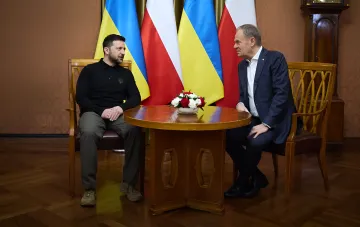
These steps have already been met with a response in official Warsaw. Polish Prime Minister Donald Tusk positively assessed Zelenskyy's actions aimed at developing dialogue. In particular, this refers to intensifying interaction and opening archives concerning the tragic events in Volhynia.