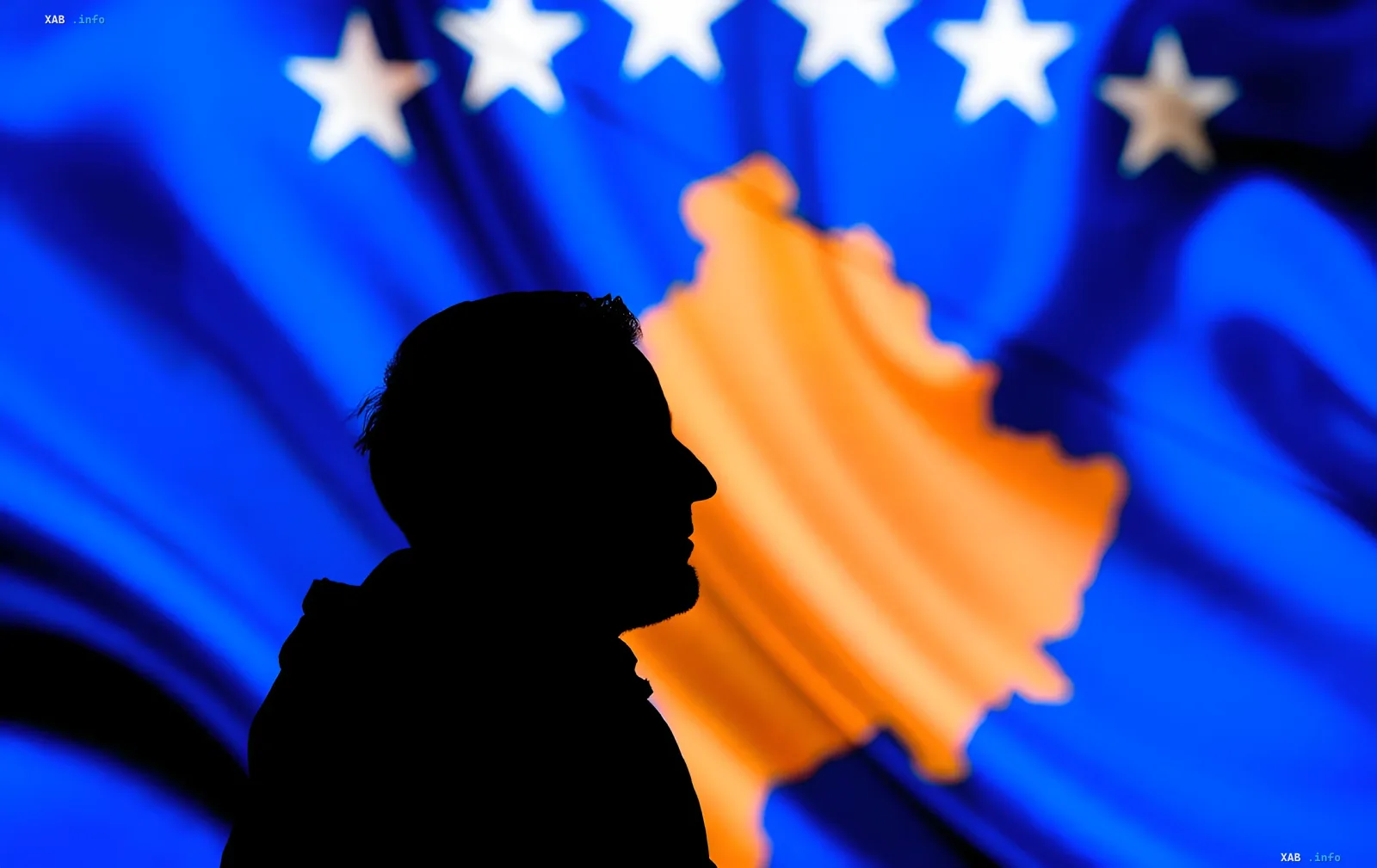
On June 7, early parliamentary elections began in Kosovo. This is already the third attempt to form a legislative body in the last 12 months. The country has found itself in a deep political crisis, which has led to institutional paralysis and growing public dissatisfaction.
Election cycle and political deadlock
The reasons for such frequent voting lie in the inability of the political establishment to reach an agreement. After the February 2025 elections, Prime Minister Albin Kurti's party "Vetëvendosje" won, but failed to secure a stable majority to form a government. The situation worsened in April when the divided parliament failed to elect a new president. The boycott of the vote by opposition forces became the last straw, leading to the dissolution of the legislative body and the scheduling of new elections.
Even after the re-vote, when Kurti's force again gained a majority and formed a government with the support of national minorities, the confrontation did not subside. Political researcher Ardi Uka notes that the country is effectively stuck in an election cycle, and there are no signs of readiness for compromise between the main players.
Voter sentiments and calls for dialogue
On the eve of the voting, some citizens expressed disappointment with the constant instability. Many doubt that another change of power will bring real changes. Former President of Kosovo Vjosa Osmani, running for parliament from the Democratic League (LDK), called on political forces to seek compromises. According to her, it is necessary to create a democratic balance that will force all parties to sit down at the negotiating table and form effective institutions faster.
Pressure from Brussels
Against the backdrop of the internal crisis, Kosovo is receiving harsh signals from the European Union. The country submitted an application to join the EU back in 2022, but candidate status has still not been granted. EU Enlargement Commissioner Marta Kos, during her visit to Pristina, emphasized that political stability and the normalization of relations with Serbia remain key conditions for European integration. Brussels once again called on Pristina to accelerate reforms without waiting for the election results.


