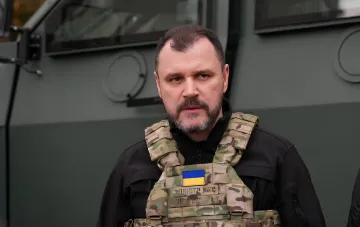
Major personnel changes have taken place in the leadership of the Center for Countering Disinformation (CCD) under the National Security and Defense Council of Ukraine. The head of the agency, Andrii Kovalenko, has officially announced his resignation from his position, summarizing his years of work in this responsible post.
Results of Work and Gratitude to the President
In his official statement published on his Telegram channel, Andrii Kovalenko expressed sincere gratitude to Ukrainian President Volodymyr Zelenskyy for promptly considering and accepting his resignation letter. According to the former head of the agency, the three-year period of leading the Center for Countering Disinformation became an important milestone in his professional career, allowing him to make a significant contribution to strengthening the country's national security.
Future Plans and National Security Issues
Despite relinquishing his powers as head of the CCD, Andrii Kovalenko emphasized that he does not intend to completely step away from matters of state importance. He stated that he remains deeply integrated into the processes of ensuring Ukraine's national security and will continue to actively participate in the cognitive confrontation against Russian aggression at information and strategic levels.
Contradictory Data
Against the backdrop of Kovalenko's resignation, related personnel reshuffles in Ukraine's defense and security sector are actively discussed in the information space. Some experts and media resources link the departure of the CCD head to a broader wave of personnel changes in the upper echelons of power, mentioning recent decisions regarding the leadership of the General Staff and the Armed Forces of Ukraine, although official sources confirm the independent nature and planned format of Kovalenko's resignation.
Concluding his tenure, Andrii Kovalenko wished the remaining CCD team further success and expressed confidence that the team of professionals will continue to effectively cope with all challenges of the hybrid war, protecting the state's information space from destructive influence.