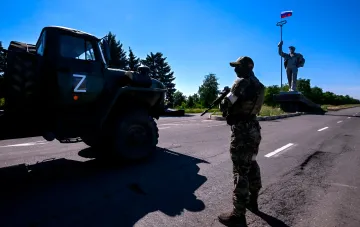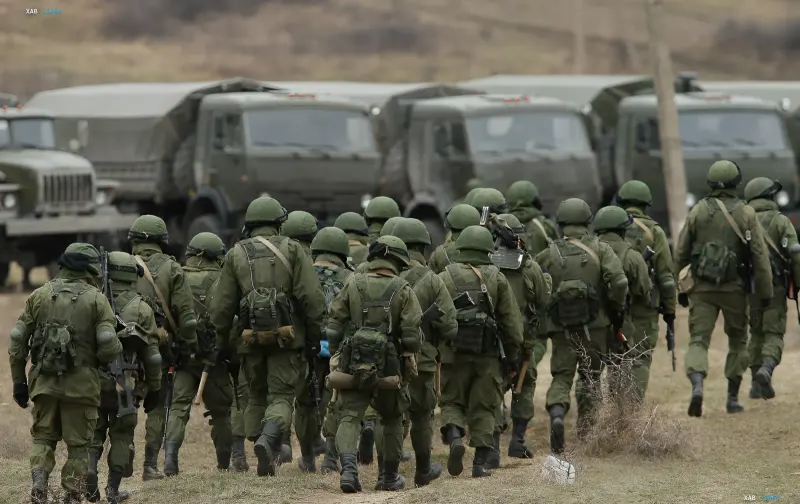
According to the 'ATESH' partisan movement, its agents from the ranks of the 70th Motor Rifle Division (the 'Dnipro' military grouping) are recording systematic illegal sales of military fuel on the Kramatorsk frontline. Underground sources report that the unit's command and rear services are selling diesel and gasoline to the local civilian population in the rear — in Donetsk, Luhansk, and Rostov-on-Don. The movement emphasizes that as a result, frontline units are facing an acute shortage of fuel and lubricants.
Chain of Logistics Failures
According to 'ATESH,' reselling fuel and lubricants to civilians directly leaves combat vehicles and transport without power. The partisans note that there is "nothing to refuel" the cars, armored vehicles, and motorcycles, forcing personnel to go on assaults on foot. This deprives the troops of armored protection and makes it impossible to evacuate the wounded from the frontline by vehicle.
Consequences for the Frontline Positions
In the assessment of the resistance movement, it is precisely the immobilization of vehicles and the failure of resupply that have caused the number of casualties in the unit to rise significantly in recent times. 'ATESH' links the growth in medical and irrecoverable losses to the inability to carry out timely rotation, deliver ammunition, and evacuate the wounded, which worsens the position of the occupying forces on this sector of the front.
Context: Loss Assessments
Recall that Ukraine's Permanent Representative to the UN, Andriy Melnyk, previously stated at a Security Council meeting that Russia is suffering significant losses on the front, and that the Russian economy is being drained by the costs of its aggression. In his assessment, Russia loses no fewer than 30,000–35,000 military personnel each month. Information on the logistics failures of the 70th Motor Rifle Division, passed on by 'ATESH,' complements the picture of local problems in rear support on the Kramatorsk frontline.