According to documents reviewed by Bloomberg News, Russian officials and staff of recruitment centers have been actively opening accounts at foreign banks and transferring assets abroad in recent months. At the same time, they are encouraging friends and relatives to leave Russia. According to sources, the fear stems from concerns that Vladimir Putin may declare a large-scale new mobilization — including after the parliamentary elections taking place this week. Although the Kremlin publicly denies preparing a draft, European security services state that Russia is preparing to conscript another 300,000 men by the end of the year.
The Digital Trap: How the New Mobilization Is Structured
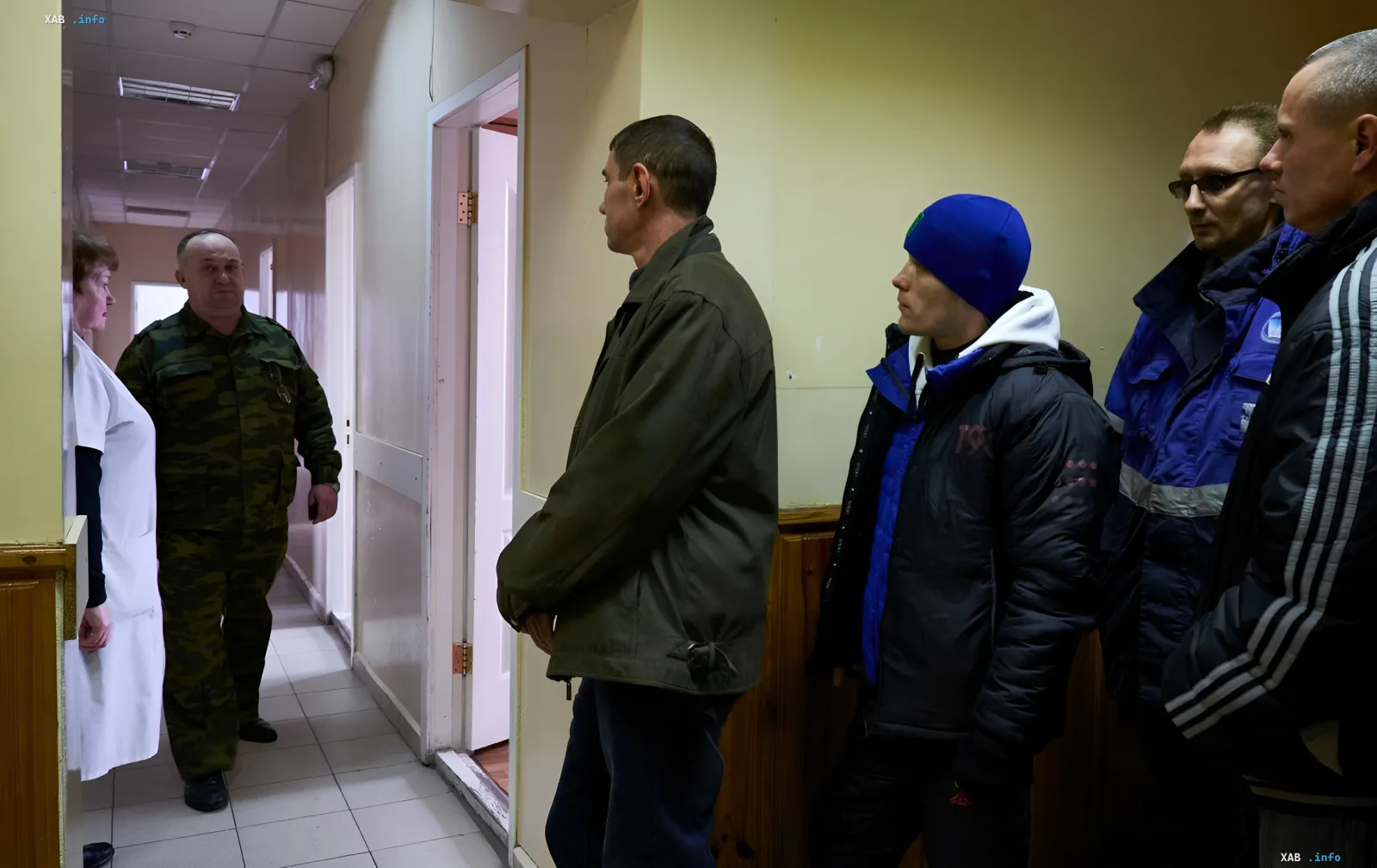
The key difference between a possible new draft and the 2022 campaign is the shift from paper summonses to a digital infrastructure. According to European officials, Russia's unified military registry is automatically linked to a number of mechanisms that close off potential escape routes. An electronic summons is legally considered delivered seven days after it is posted on the online portal, regardless of whether the recipient opened it. An automatic travel ban takes effect at border checkpoints immediately after the notice is published. For those who fail to report to an employment center within 20 days, automatic fines are imposed that block access to state services. This time, analysts note, there may be no official announcement at all.
Where the Draft Will Be Focused: A Political Scientist's View
Political scientist Ekaterina Shulman of the Berlin-based Carnegie 'Russia–Eurasia' center believes that the Kremlin will likely concentrate mobilization efforts in the regions showing the highest support for Putin in the elections. At the same time, European officials emphasize that, in their assessment, the final decision on mobilization has not yet been made. Thus, the preparation of infrastructure and the growing anxiety among the elites are outpacing the authorities' public statements.
Contradictory Data
Here the versions on both sides diverge. On the one hand, Vladimir Putin publicly denies preparing a new mobilization, and European officials note that the final decision has not been made. On the other hand, a representative of European security services claims that Russia is preparing to conscript another 300,000 men by the end of the year, while Bloomberg's documents record the actual behavior of the elites: moving assets and pushing relatives to leave. In other words, the public rhetoric of 'there is no mobilization' contrasts with the practical actions of officials and Western intelligence assessments. Neither side discloses full details, so the exact timing and scale of the draft remain a matter of debate.
Military Context: The Decline in Contract Recruitments
Earlier, RBC-Ukraine reported that, despite Russia's stated advantage in human resources and economy, the Kremlin's leader, even with a new mobilization, is unlikely to achieve his military goals — this was stated by former U.S. CIA Director David Petraeus. An additional indicator of tension is that the pace of contract recruitment into the Russian army in 2026 continues to decline, despite an increase in lump-sum payments for signing a contract. Against this backdrop, the panic-like behavior of officials looks not like an isolated incident but as a systemic reaction of the elites to the expected draft.