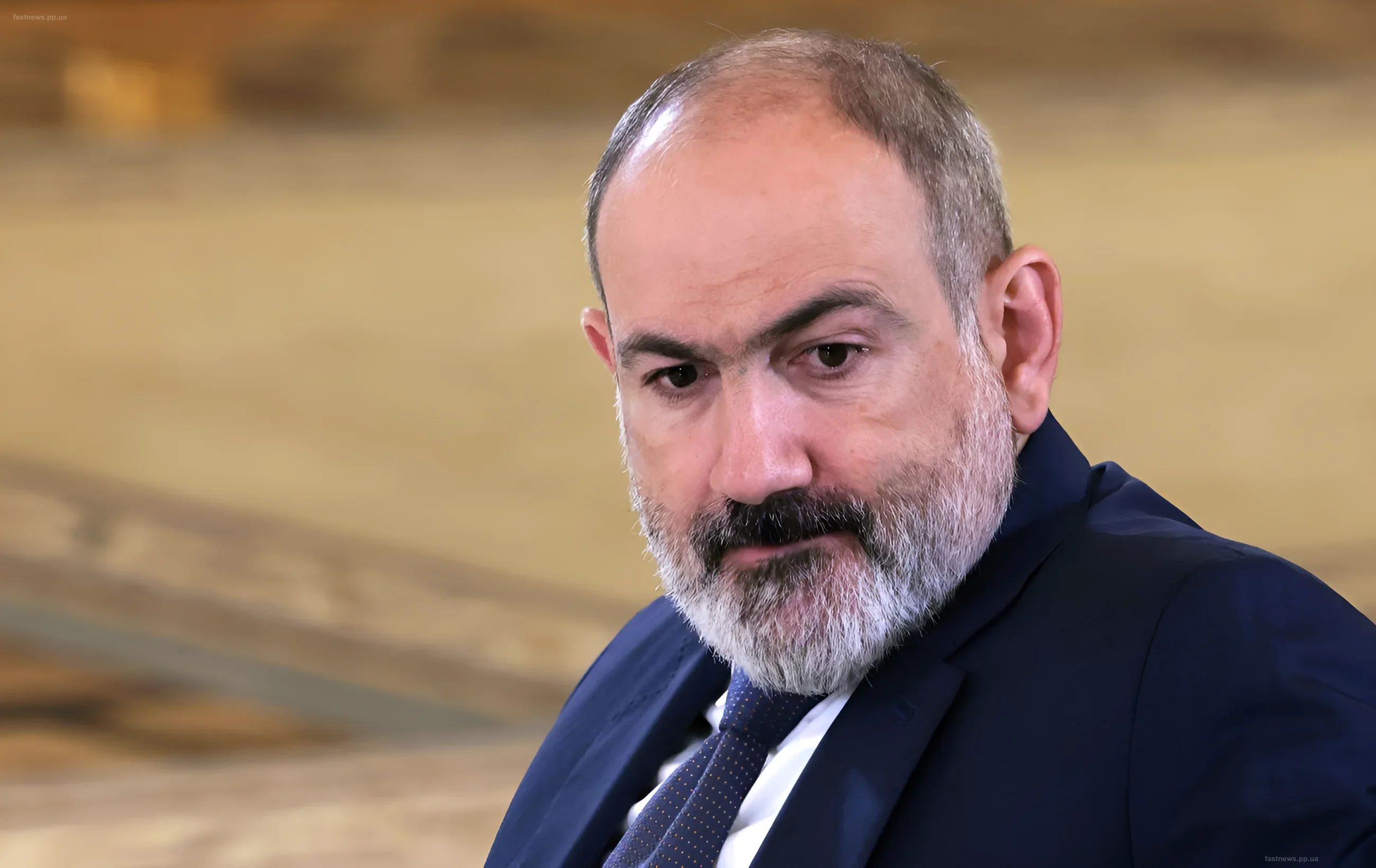
A covert war is unfolding in the corridors of power, where the stakes are not merely a change of government but a geopolitical shift of an entire region. Behind the scenes of the upcoming elections in Armenia, a large-scale operation has been launched aimed at overthrowing Nikol Pashinyan's pro-Western course. According to Western intelligence agencies, Moscow is prepared to take unprecedented measures to prevent the re-election of the current Prime Minister.
In the autumn of 2025, a secret unit was formed within the Kremlin — the "Directorate for Strategic Cooperation and Partnership." According to informed sources, this body has become the brain center for coordinating influence on Armenian political processes. For Russia, the loss of control over Yerevan, which has been within its sphere of interest for decades, has become a matter of national security.
Operation "100,000 Votes"
The Kremlin's strategy is simple and cynical: using the diaspora as a political tool. A decision has already been made to transport 100,000 Armenians residing in Russia to their homeland to participate in the voting. The budget for this logistical operation is estimated at a colossal $50 million. By mid-May, strict quotas were established for the regions: local administrators received directives on recruiting and transporting the electorate and are required to report on the progress of preparations.
Who is the Kremlin's Favorite?
Among the potential candidates capable of replacing Pashinyan, Western officials name the billionaire Samvel Karapetyan. His party, "Strong Armenia," currently holds only sixth place in the ratings, trailing Pashinyan's "Civil Contract," which confidently leads with 30% support. The paradox of the situation is that Karapetyan is under investigation for calls to overthrow the government, yet his lawyers categorically deny any collusion with Moscow.
Shadow War and Security Threats
Parallel to the logistical mobilization, Russia has intensified its information war. Disinformation campaigns on the internet are gaining momentum, creating a tense atmosphere in society. The situation is so critical that US intelligence agencies have expressed serious concerns about the Prime Minister's physical safety. According to sources, the CIA has been providing Pashinyan with secret assistance in organizing his personal security in recent years.
Geopolitical Consequences
Pashinyan's victory opens the way for Armenia to form new strategic alliances. Recently, US Secretary of State Marco Rubio visited Yerevan, signing agreements on mineral development and the creation of a transport corridor to Central Asia. Experts warn: in the event of Pashinyan's defeat, these initiatives will likely be frozen, and Russia will retain its transit monopoly.
Against this backdrop, Moscow continues to exert pressure through economic levers, threatening to cancel preferential gas and diamond supplies. Deputy Foreign Minister Mikhail Galuzin stated directly that the course towards European integration is "absolutely unacceptable" for Moscow. However, relying on Western support, including public statements by Donald Trump, Yerevan is prepared to defend its sovereignty and refuse dependence on a single ally.


