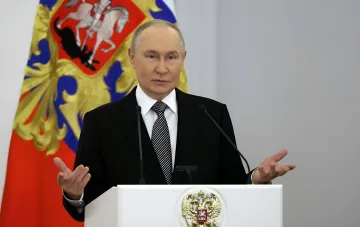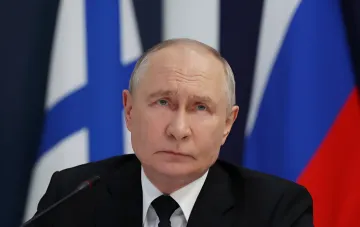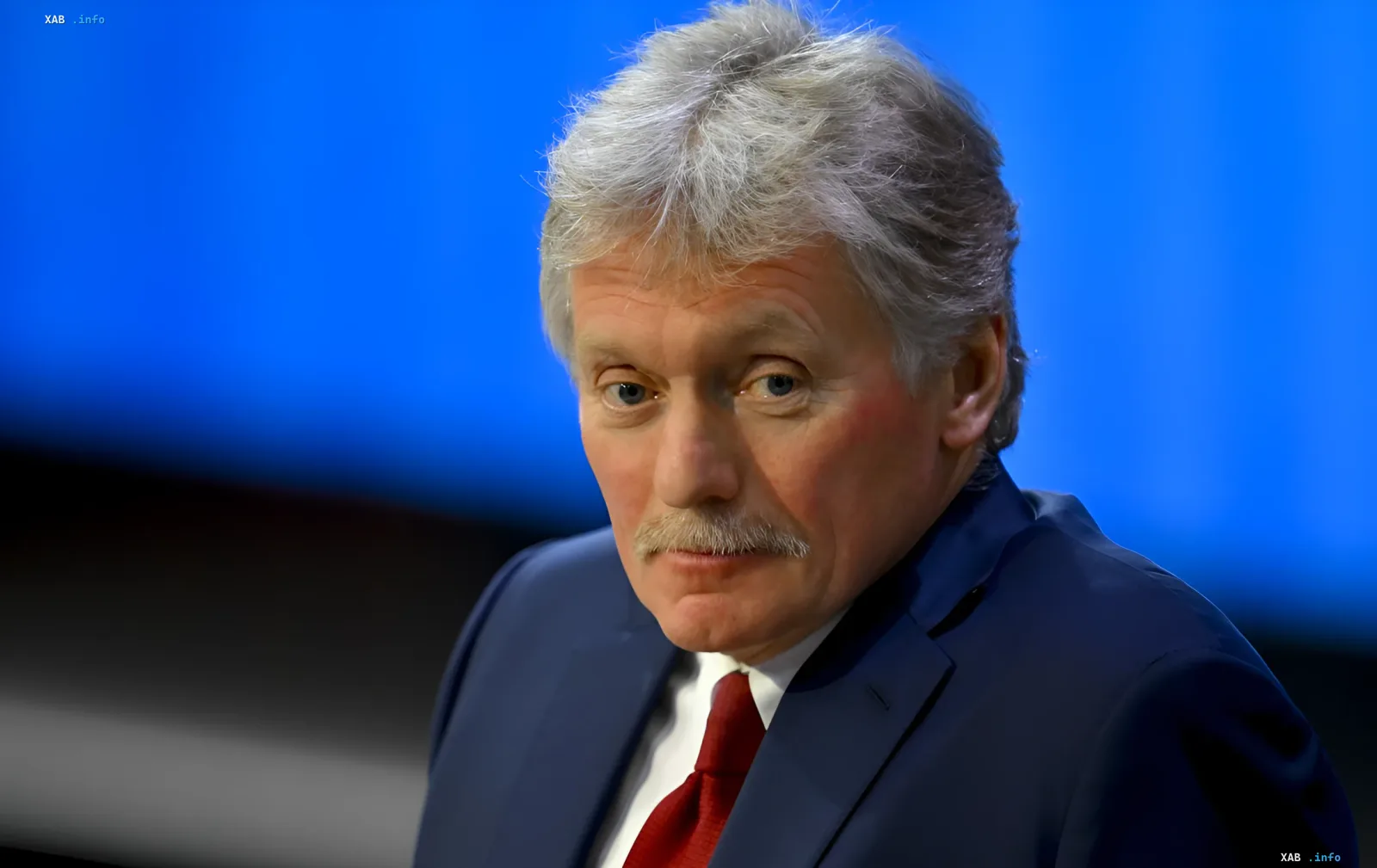
The leadership of the Russian Federation has effectively rejected Ukrainian President Volodymyr Zelenskyy's initiative to introduce a 60-day ceasefire, which was intended as a condition for holding general elections in the country. This decision by Moscow marks a new phase of diplomatic deadlock against the backdrop of ongoing armed confrontation and active foreign policy pressure from Western partners seeking to resolve the crisis.
Moscow's Reaction and Official Statements
Russian Presidential Press Secretary Dmitry Peskov officially commented on the Ukrainian side's initiative, stating that the Kremlin is allegedly interested not in a short-term truce, but in achieving a long-term and sustainable peace. According to the Russian leadership representative, Moscow is ready to make all necessary efforts to achieve this goal. Additionally, Peskov thanked American negotiators for their mediation efforts on the Ukrainian track. At the same time, Russian Foreign Minister Sergey Lavrov spoke even more harshly, openly stating that the Ukrainian leader allegedly does not deserve such a truce.
The precondition for this diplomatic exchange was recent calls by US President Donald Trump for the Ukrainian people to choose a new leader. The American leader argued his position by claiming that the current government in Kyiv supposedly prevents the conclusion of peace agreements. Kremlin special representative Kirill Dmitriev promptly responded to these statements, characterizing the White House chief's words as "historical" and "significant," which underlines the coincidence of Moscow and Washington's positions on a number of issues regarding the electoral process in Ukraine.
Contradictory Data
There are serious discrepancies in assessments of the parties' true motives regarding the organization of the electoral process under martial law. Official Kyiv insists that elections can only take place under conditions of security guarantees and a 60-day ceasefire. In turn, independent analysts from the Institute for the Study of War (ISW) point out that Moscow is consciously using Ukraine's constitutional restrictions, which prohibit elections during martial law, to drag out the negotiation process. According to ISW experts, the Kremlin effectively gains a tool for indefinitely blocking elections simply by refusing to stop the fire.
Analysis of Consequences and Settlement Prospects
The Kremlin's rejection of the 60-day truce significantly reduces the likelihood of an early diplomatic breakthrough and the freezing of active hostilities. The expert community agrees that the demand to hold elections amid ongoing large-scale combat clashes and a humanitarian crisis is a technological tool of political pressure. As international mediators continue to probe the ground for possible compromises, Russia's position remains unchanged: local humanitarian pauses are rejected in favor of global agreements on Russian terms, making the prospects of the peace process extremely illusory.