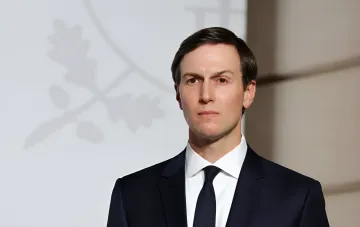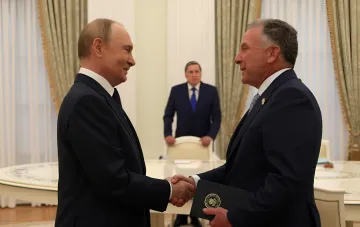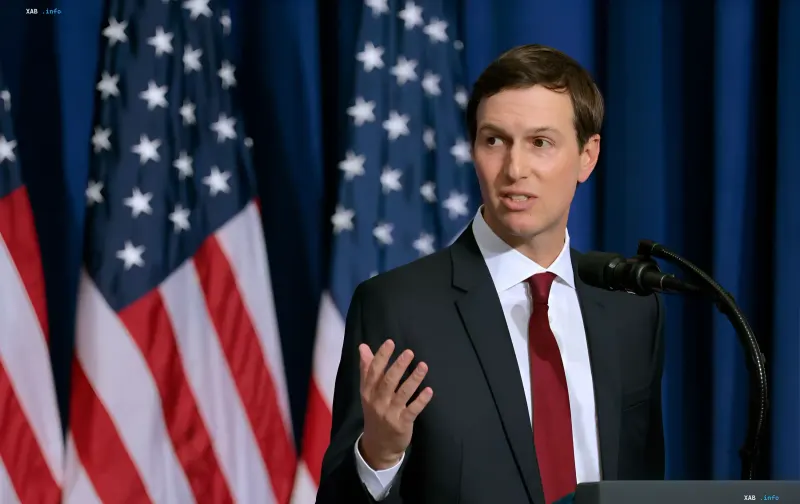
US Presidential Envoy Jared Kushner announced in a post on X that the American side is focused on organizing direct contacts between Moscow and European partners, as well as preparing the agenda for the next round of trilateral conflict resolution talks. According to him, following a series of trilateral meetings and individual conversations with Vladimir Putin and Volodymyr Zelenskyy, he and his colleague Steve Witkoff continue close consultations with Russia, Ukraine, and European nations. Kushner emphasized that new ideas have emerged during the discussions, some of which he estimates could lead directly to breakthroughs, while others will form the basis for new proposals capable of narrowing the gaps between the sides.
Compromises Instead of Maximalism
Kushner explicitly acknowledged that reports had appeared in the media space regarding the maximalist positions of both sides and harsh political rhetoric. However, he stated that "in private discussions, both sides understand that practical compromises will be needed to end this war." The envoy also stressed that the US team would continue to maintain the confidentiality required for such sensitive negotiations. RBC-Ukraine, citing Kushner's publication, notes that this refers to the current stage of the diplomatic process, in which Washington is acting as a coordinator between Moscow, Kyiv, and European capitals.
Zelenskyy: Issue of Donbas and NATO Membership Raised Directly for the First Time
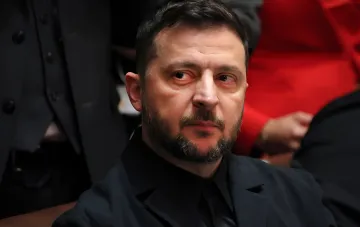
President of Ukraine Volodymyr Zelenskyy also commented on the progress of the negotiations the day before. According to him, the American side asked Kyiv directly for the first time if Ukraine would agree to withdraw from the Donbas in exchange for NATO membership. Zelenskyy reiterated that Ukraine does not give up its lands and stated that Kyiv, together with its partners, is preparing a comprehensive security package, which should include guarantees from NATO and the European Union, the creation of a strong army, and a recovery plan with clearly defined funding sources. Additionally, the head of the Ukrainian state announced the preparation of a large-scale prisoner exchange in a "more than a thousand for more than a thousand" format.
Moscow Presents Its Own Conditions on European Security
Against the backdrop of American and Ukrainian statements, the Russian side is putting forward its own requirements concerning the security architecture in Europe. According to media reports, Russia is again demanding that NATO withdraw its troops to 1997 positions. The outlet Bild, in turn, reported that the Kremlin is insisting on Finland's withdrawal from the Alliance and the renunciation of military bases in the Baltic states. However, Kremlin spokesperson Dmitry Peskov denied this information, stating that no such conditions were proposed. Thus, informational discrepancies remain regarding the exact content of Russia's security requirements for Europe.
Context: Multilayered Diplomacy
The statements by Kushner and Zelenskyy mark the transition of the negotiation process from formal rounds to a more flexible interaction model, in which direct bilateral lines are being pursued in parallel—between Moscow and Europe, between Washington and Kyiv, and between Washington and Moscow. The mention of "new ideas" that are being "studied" indicates that specific wording for future proposals is being discussed on a working level, although their content is not being disclosed at this moment. The confidentiality referenced by Kushner is traditionally characteristic of sensitive diplomatic tracks, where public rhetoric and real negotiation positions can diverge significantly.