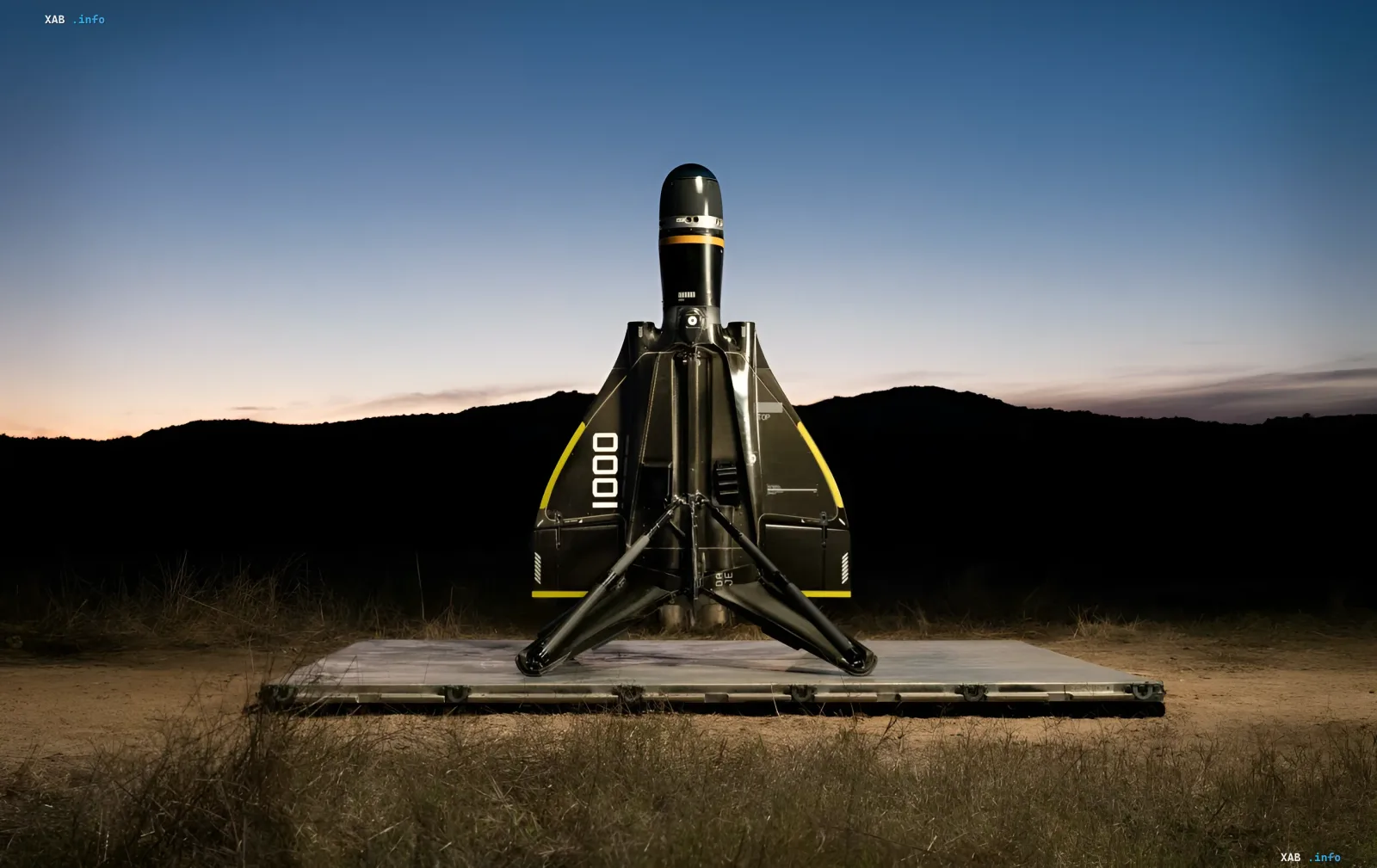
The US State Department has officially approved a massive sale of military equipment to Kuwait. The contract value reached $1.98 billion, making this deal a world record for the volume of interceptor drone purchases. The deliveries are aimed at creating a powerful defense system against unmanned threats, combining electronic and kinetic countermeasures.
Package Composition: From EW to Kinetic Strike
According to official data, the approved equipment package includes a wide range of solutions for detecting and destroying aerial targets. The list includes not only the combat drones themselves but also their launch systems, software for centralized command, and mobile operational centers.
Special attention is paid to observation and suppression systems: the contract includes long-range and maritime observation towers, as well as advanced solutions in the field of electronic warfare (EW). However, the core of the deal consists of two specialized platforms from the American company Anduril — Roadrunner and Anvil.
Anduril Technologies: Vertical Takeoff and Different Missions
Both systems, Roadrunner and Anvil, are designed for rapid deployment from ground positions. A key feature of the architecture of these drones is the ability to take off and land vertically, which allows them to be used in limited areas without the need for long runways. Despite the similar takeoff principle, the platforms have different designs optimized for specific missions.
Roadrunner: High-Speed Interceptor
The Roadrunner drone is a high-speed interceptor equipped with two turbojet engines. Its fuselage is about two meters long, allowing it to reach subsonic speeds of up to 1235 km/h. Such dynamics are necessary to intercept serious aerial threats.
The main weapon of the Roadrunner is a high-explosive warhead. The system is capable of neutralizing not only drones but also larger targets, including manned aircraft and cruise missiles entering the airspace.
Anvil: Cost-Effective Option for Close Range
The second platform, Anvil, is focused on different tasks. It is a more compact drone capable of reaching speeds of up to 320 km/h. It is designed to intercept drones at short distances.
Unlike the Roadrunner, the Anvil destroys targets using a kinetic strike — physical collision. This approach offers a cheaper option for engagement, allowing for resource savings when fighting mass attacks of cheap drones.
Global Context: American Components in Enemy Weapons
Large-scale purchases of air defense and interception systems against the backdrop of active drone warfare have a deep geopolitical subtext. Previously, the Main Directorate of Intelligence (GUR) of Ukraine published data on the contents of the Iranian Shahed cruise missile drone (the turbojet version Geran-3). Analysis showed that out of 45 identified components, half are of American origin.
In addition to parts from the US, components of Chinese, Swiss, British, and Japanese manufacture were found in the design of Iranian drones. This confirms that dual-use technologies and Western elements can be indirectly used against supplier countries, making the development of own interception systems, such as Roadrunner and Anvil, critically important for the security of US allies.


