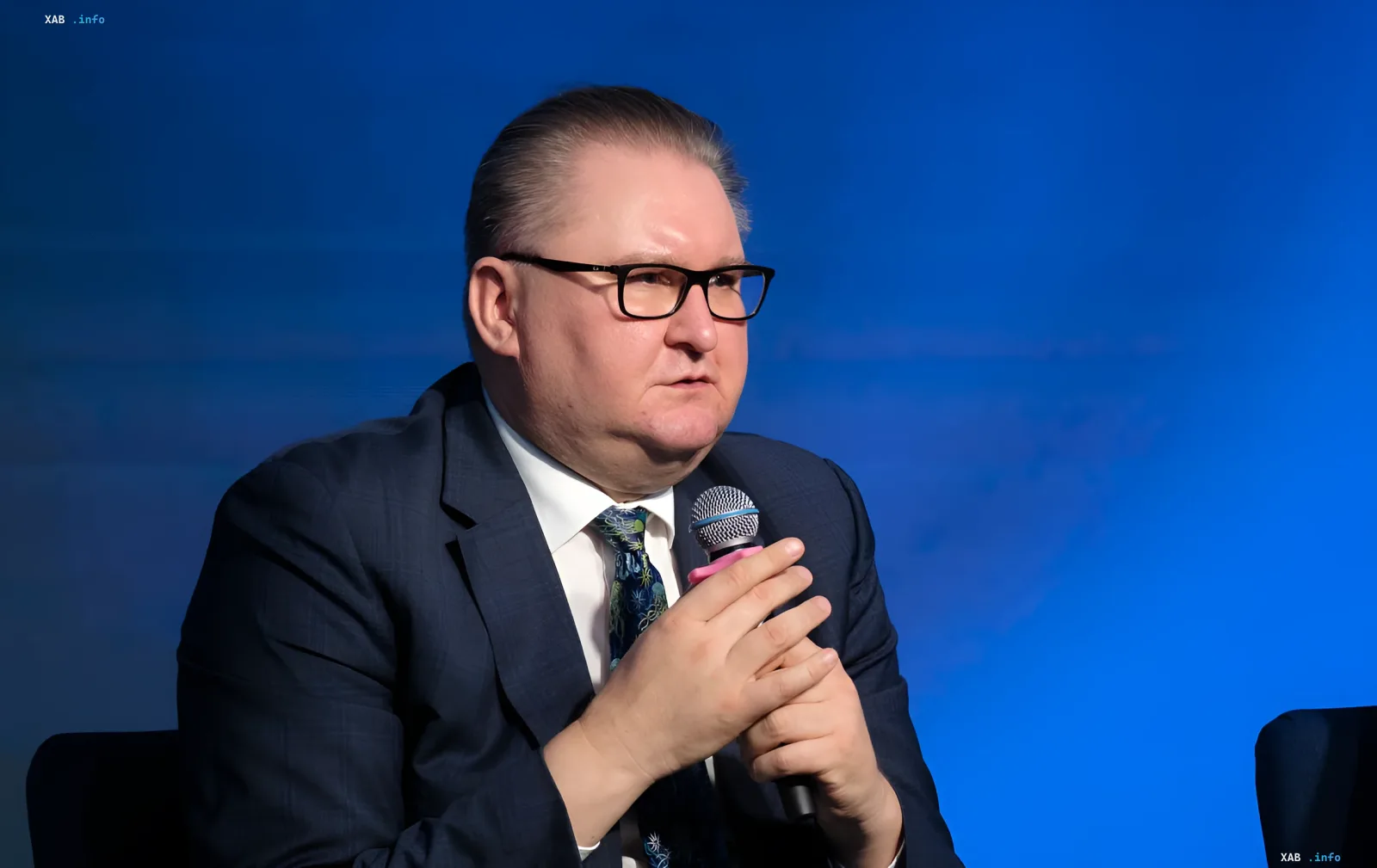
Relations between Ukraine and Hungary, long clouded by disagreements over language policy and the rights of national communities, have received a new impetus. During recent negotiations in Budapest, the parties reached a consensus on further steps. Ukrainian Vice Prime Minister Taras Kachka confirmed that the dialogue was constructive and allowed for the synchronization of actions within the framework of the European integration course.
Return to the Action Plan
The central element of the agreements was the Action Plan on National Minorities, which was approved by Ukraine last year. It is this document that will now serve as the foundation for the work of both sides. Kachka noted that Hungary agreed to move strictly within the framework of this plan, which is an important signal for Brussels.
"We had a very constructive dialogue with the Hungarians. Now Hungary has agreed to move within the framework of the Action Plan on National Minorities," the Ukrainian Vice Prime Minister stated at a meeting with journalists.
According to Kyiv's position, this plan is part of the commitments within the first negotiation cluster "Fundamentals" in the process of joining the European Union. The parties agreed to continue working based on previously agreed parameters.
Education and legislative changes
The implementation of the agreements will take place in several stages. Vice Prime Minister Taras Kachka revealed the timeframes: the main changes in legislation are planned for 2026–2027. However, Kyiv does not intend to postpone everything for later — part of the commitments will be fulfilled already this year.
The priority area is the sphere of education. It is the educational block that will become the first stage on which Ukraine will begin to implement the agreed steps. This concerns issues related to education in the languages of national minorities.
Equal conditions for all communities
An important aspect insisted upon by the Ukrainian side is the universality of the approach. Kachka emphasized that the envisaged measures are not limited only to the Hungarian minority. They apply to all national communities whose languages have official status in the member states of the European Union.
According to officials, this approach ensures equal conditions for all minorities and fully complies with Ukraine's commitments to the EU. This allows avoiding accusations of discrimination or, conversely, the granting of exclusive rights to certain groups.
Political context
Reaching agreements at the level of Vice Prime Ministers opens the way for contacts at a higher level. Previously, the Prime Minister of Hungary, Viktor Orbán (erroneously referred to as Péter Magyar in the source text), stated his readiness to hold a meeting with the President of Ukraine, Volodymyr Zelenskyy, and indicated possible timeframes for such negotiations. Current successes in the dialogue on minority issues can become a good basis for implementing these plans.


