
Ukraine is radically changing its military strategy. The country's authorities have officially stated that they will no longer seek permission from third countries to launch long-range strikes against legitimate military targets on the territory of the Russian Federation. This decision is aimed at expanding capabilities for asymmetric operations using domestic weapons.
Foreign Ministry Position: Right to Self-Defense
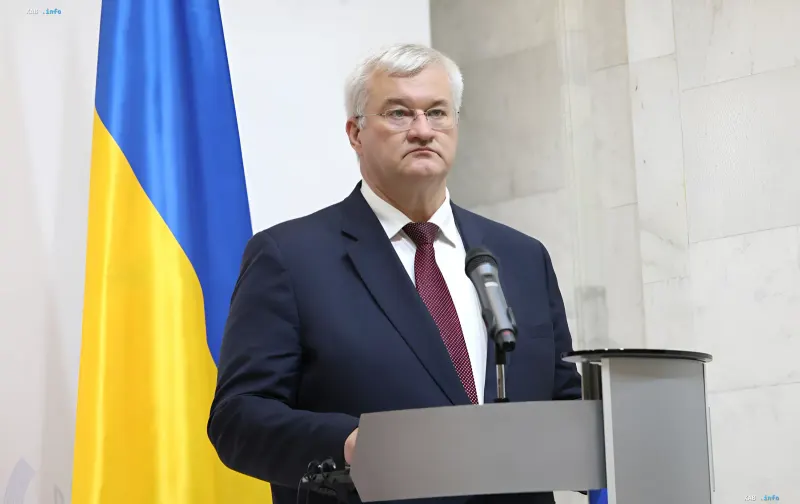
Minister of Foreign Affairs of Ukraine Andriy Sybiga made a statement to this effect. He emphasized that Kyiv considers its actions fully legitimate under international law. According to the diplomat, the right to self-defense is guaranteed by Article 51 of the Charter of the United Nations, and it is on this basis that Ukraine will make decisions regarding strikes deep into Russian territory.
Thus, Kyiv is taking full responsibility for target selection and tactics, eliminating the need for coordination with partners in the Western bloc.
Precedent: Strike on Omsk
The new rhetoric is backed by facts from recent months. A striking example of the effectiveness of this strategy was the event on July 6, when Ukrainian drones struck the Omsk Refinery. This enterprise is the largest in Russia and is located beyond the Urals.
To carry out the attack, the drones had to cover a distance of more than 3,000 kilometers. This incident became the deepest strike on Russian territory since the start of the full-scale invasion, proving Kyiv's ability to hit strategically important objects in the enemy's rear.
Reaction of International Partners
The change in Ukraine's tactics is understood by the highest echelons of power in allied countries. Finnish President Alexander Stubb previously noted that NATO partners understand the reasons why Kyiv launches long-range strikes. In his assessment, this campaign has already led to a change in the strategic thinking of the United States regarding the war and strengthened the Ukrainian side's position in diplomatic negotiations.
Even President Volodymyr Zelenskyy confirmed that long-range attacks have influenced the perception of the conflict in Washington. In particular, he noted that US President Donald Trump began to assess the course of the war and the successes of the Ukrainian army differently after a series of drone strikes.


