
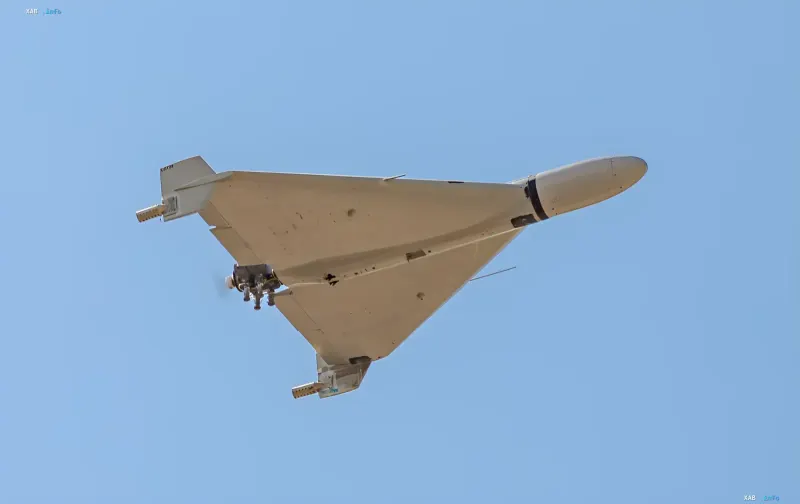
In the evening of September 1, residents and visitors to Kyiv received yet another warning about the drone threat: according to RBC-Ukraine, citing the Telegram channel of Kyiv Mayor Vitali Klitschko, air defense forces are operating in the capital. At 18:32, Klitschko reported that enemy unmanned aerial vehicles (UAVs) were over the city and urged residents to take shelter. The Ukrainian Air Force additionally stated that a jet-powered drone was approaching Kyiv from the north, and that the danger zone also extended to Boryspil and Broyary.
Course of the attack and air defense operations
As events unfolded, explosions were again recorded in Kyiv, reportedly linked to air defense systems engaging Russian drones. At 19:17, the Kyiv City Military Administration reported that drone debris had fallen in the Svytoshyn district — on open ground near private residential houses. Klitschko clarified that a fire broke out in this district following the drone attack and noted that emergency services had already been dispatched to the scene.
Aftermath: fires and casualties on September 1
The evening wave was a continuation of a tense day for the capital. Earlier, RBC-Ukraine reported that a high-rise building caught fire in Kyiv after the morning drone attack on September 1. Overnight, according to the outlet, Russia carried out a targeted ballistic strike on a railway depot and other railway facilities in Kyiv; as a result, seven people were killed, six of them employees of Ukrzaliznytsia. The Kyiv Regional Military Administration also reported that the number of fatalities from the strike on Boryspil had risen to four, with another 13 people injured.
Contradictory data
The situation remains dynamic, and certain details in the statements of different agencies do not yet match in terms of completeness. First, several independent episodes are recorded within a single day — the overnight ballistic strike on railway infrastructure, the morning drone raid with a fire in a high-rise, and the evening wave of UAVs — which different sources describe as separate events, potentially leading to confusion in the chronology when aggregating the consequences. Second, the figures for the dead and injured (seven in Kyiv at the railway facility, four in Boryspil) are cited as preliminary and, according to the logic of official statements, may be revised as emergency services continue their work. Therefore, the final toll for September 1 at the time of publication is considered subject to revision.
Context: "waves of paralysis" as a tactic
Analysts, including in a korrespondent.net article, describe such series of strikes as a "waves of paralysis" tactic, in which the adversary alternates ballistic and drone attacks at different times of day, overloading air defense and infrastructure. The evening episode of September 1, with a jet-powered drone from the north and simultaneous warnings for Boryspil and Broyary, fits this logic: strikes are delivered from multiple directions, while air defense operations and public alerts continue in real time.