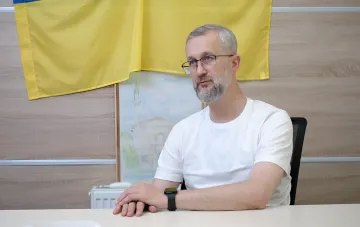
Ukraine has prepared concrete proposals for halting attacks in the Black Sea and resuming grain shipments, but their implementation is hampered by the question of how to compel the Russian side to comply with such a regime. This was stated in an interview with RBC-Ukraine by Ukraine's ambassador to Turkey, Nariman Jelyal, who emphasized that Kyiv has already voiced its position through President Volodymyr Zelenskyy and is now awaiting a response. According to the diplomat, against the backdrop of ongoing strikes on civilian vessels, including those carrying Ukrainian grain, serious concern is being expressed not only by shipowners and insurance companies but also by regional states.
What Kyiv Is Proposing and What It Expects from Moscow
According to the ambassador's statement, the Ukrainian side is not limiting itself to general rhetoric: in Ankara, it is asserted that Kyiv has "concrete proposals" for ending attacks in the Black Sea waters and restoring grain transit. These initiatives, according to Jelyal, were publicly voiced by President Zelenskyy, and the Ukrainian side is now awaiting a reaction from Russia. The wording "moratorium" indicates that this is not a full-scale peace agreement, but rather a time- and geography-limited ceasefire regime in the maritime zone, which should ease the acuteness of the crisis around shipping and agricultural product exports.
Why Turkey May Play a Key Role
Jelyal acknowledged that even if some understanding is reached between Kyiv and Moscow, the question remains open as to whether the Russian side can in fact be compelled to honor the conditional moratorium. It is precisely here, in the ambassador's assessment, that "Turkey's role could become key." As an illustration of the complexity of ensuring shipping security amid confrontation, he cited the example of the Strait of Hormuz, noting that guaranteeing full security under such conditions is extremely difficult. Thus, Ankara is viewed not merely as an observer but as a potential arbiter and guarantor, whose pressure and diplomatic weight could influence Moscow's behavior in the Black Sea.
Diplomatic Context in Ankara
The ambassador's statement fits into a broader diplomatic backdrop: according to Turkish media, representatives of the Ukrainian and Russian diplomatic missions were summoned to the Turkish Foreign Ministry in connection with incidents in the Black Sea, indicating that Ankara is actively engaged in resolving the situation. In parallel, the Turkish side has stated that it is holding negotiations with Kyiv and Moscow on the safe export of grain through the Black Sea, offering its own transport schemes. The totality of these steps confirms that Turkey is positioning itself as a central diplomatic hub in the Black Sea crisis, where the interests of both sides of the conflict and regional players intersect.
Contradictory Data
In the public discourse around Black Sea shipping, there are diverging assessments of whose actions pose the main threat to security. The Ukrainian side, represented by Ambassador Jelyal, points to Russian attacks on civilian and grain vessels as the source of concern for shipowners and insurance companies. At the same time, a number of sources record the opposite rhetoric, in which emphasis is placed on the actions of Ukrainian forces in the Black Sea and their impact on trade and exports, including Turkish ones. Thus, the sides classify the cause of the shipping crisis differently: Kyiv speaks of Russian strikes, while the opposing side points to Ukrainian operations. This divergence in narrative complicates the development of a unified position on the moratorium and makes the role of a neutral mediator — above all Turkey — even more important.
Outlook and What Comes Next
The conclusion drawn from the ambassador's statement is that Ukraine is ready for dialogue and has a ready package of proposals, but their success depends on two factors: Moscow's willingness to compromise and Turkey's ability to provide pressure and guarantees. Until a response from the Russian side is received and a mechanism to enforce the moratorium is determined, the threat to civilian shipping and grain exports persists. In the coming weeks, the key indicator will be whether Ankara can convert the diplomatic channel and the summonses to the Foreign Ministry into concrete agreements on a security regime in the Black Sea.