On the night of November 20, 2026, Russia launched another massive missile and drone strike against Ukraine, involving Iskander-M/S-400 ballistic missiles, Zircon anti-ship missiles, 84 cruise missiles, and 404 attack UAVs, according to the Ukrainian Air Force. What distinguished this attack from previous weeks, monitoring channels observed, was its duration: the shelling of Kyiv was stretched out over time, with two or three missiles launched throughout the night and into the morning hours.
"Kyiv's torment": Monitoring channel on the nature of the attack
The popular Telegram channel "Nikolayevsky Vankek", which specializes in tracking Russian missile and drone routes, described the nighttime strike not as the largest in terms of ammunition volume, but as unusually prolonged. "You and I survived shellings in 2022 and 2023 that were much worse in terms of missile numbers. But this shelling was long. This, excuse me, torment of Kyiv, with 2-3 missiles all night and in the morning, late take-offs of strategic bombers, and so on. They are just mocking us," the channel's author wrote. According to him, Kyiv "is getting all the volleys of ballistics and anti-ship missiles again," which he considers an expected scenario that, in his forecast, will continue.
Cruise missiles head west
Another feature of the nighttime strike pointed out by Vankek was that this time, cruise missiles were directed not at Kyiv, but toward Ukraine's western regions. "The last time they showed interest in the western regions was perhaps a week or two weeks ago, when they scanned the territories of the main substations in the western oblasts from satellites," the author noted, linking this to possible preparations for strikes against energy infrastructure in the west of the country.
Air Force data: Composition and directions of the attack
According to official data from the Ukrainian Air Force, on the night of November 20, Russia launched Iskander-M/S-400 ballistic missiles and Zircon anti-ship missiles from the Rostov, Bryansk, and Kursk regions. In addition, 84 cruise missiles of the Kh-101, Kalibr, and Iskander-K types were deployed from the Vologda region and the Black Sea waters. In total, 404 attack drones were launched across Ukraine, 123 of which were jet-powered, coming from seven attack directions.
Consequences in Kyiv: Fires in two districts
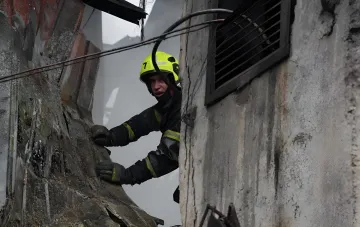
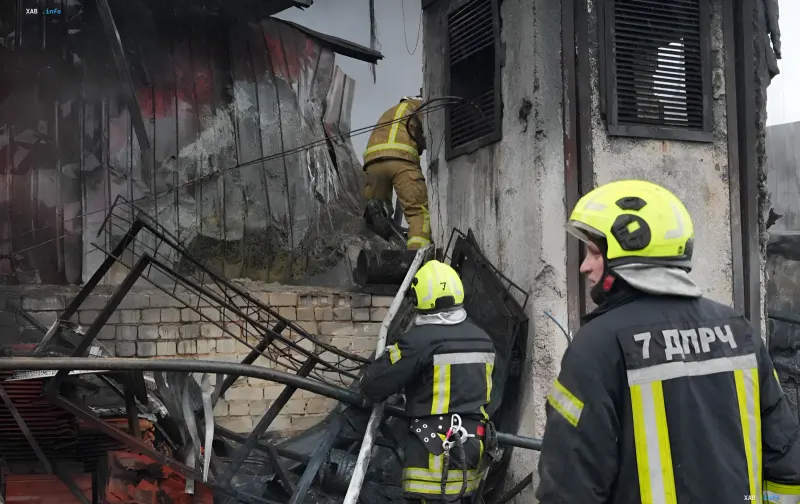
As a result of the nighttime ballistic attack, buildings caught fire in the Obolonsky and Podilsky districts of Kyiv. According to preliminary data, the fire engulfed a three-story building in the Obolonsky district. Fire and rescue crews worked at the scene — photographs from the site show fighters from the 7th Fire and Rescue Unit dismantling rubble and inspecting damaged structures. As of the morning of November 20, the exact number of casualties and the extent of destruction were still being clarified.
"A planned operation": Hypothesis of the monitoring channel
The author of the "Nikolayevsky Vankek" channel expressed the opinion that the intense shelling of Kyiv, ongoing for about half a year now, may be part of a pre-planned operation. "You can consider me paranoid, but I believe that these six months of shelling Kyiv are a purely planned 'action.' Some spend cosmic resources shelling the capital specifically, while others provide nothing to fight off these very attacks. This is not an 'inside info' or anything like that, it just looks that way from the outside," he stated. This assessment is a personal opinion and has not been confirmed by any official source.