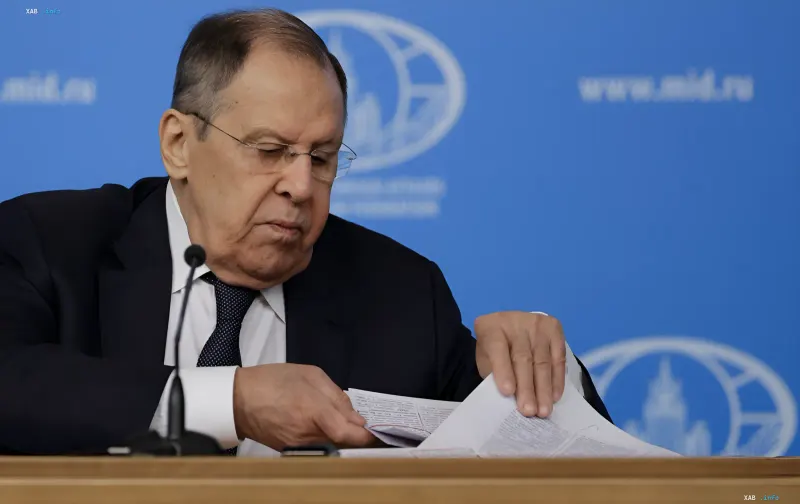
Russian Foreign Minister Sergey Lavrov made sharp remarks following the UN General Assembly in New York, commenting on the current tensions between Moscow and the European Union member states. According to the head of the Russian foreign policy department, constant calls by European leaders to prepare for a possible armed confrontation with Russia create a dangerous precedent and could provoke a real military conflict on the continent.
Statements at the UN and Moscow's Position
At a final press conference in New York, Sergey Lavrov stressed that Russia supposedly has no plans to wage war against European states, calling such assumptions 'nonsense and rubbish.' At the same time, he emphasized that European countries are actively preparing for escalation by increasing budget expenditures on arms production and expanding their military potential. The minister warned that such massive accumulation of arsenals could push one of the Western leaders to decide on using force against the Russian Federation.Threats and Escalation of Rhetoric
Lavrov paid special attention in his speech to response measures in the event of a potential attack on Russia. Citing the words of the country's top leadership, he threatened that Moscow would respond with full military force, and the potential war itself would be 'completely different' and short. Such statements come against the backdrop of a general deterioration of the security situation in Eastern Europe and the Baltics, where drone incidents have recently been recorded and mutual threats have been voiced by officials.Contradictory Data
While the Russian side officially declares a lack of aggressive intentions toward Europe and accuses Western leaders of whipping up hysteria, intelligence representatives from EU countries and independent experts point to a completely different reality. According to intelligence data from three European Union states released in September 2026, Moscow is preparing to intensify hybrid provocations against NATO in the coming months. In addition, Russian state media and statements by high-ranking politicians such as Dmitry Medvedev and Dmitry Peskov regularly feature warnings and direct threats addressed to the Baltic states, particularly Lithuania, over arms placement issues.
Consequences and Security Risks
Such an exchange of harsh statements and mirror accusations significantly raises the level of tension and minimizes opportunities for a diplomatic settlement of the crisis. Against the backdrop of the Baltic states taking practical steps to ensure civil defense, including the development of evacuation plans, the risks of an accidental collision or miscalculation at the borders of NATO and Russia remain extremely high, turning hypothetical scenarios into a real threat.