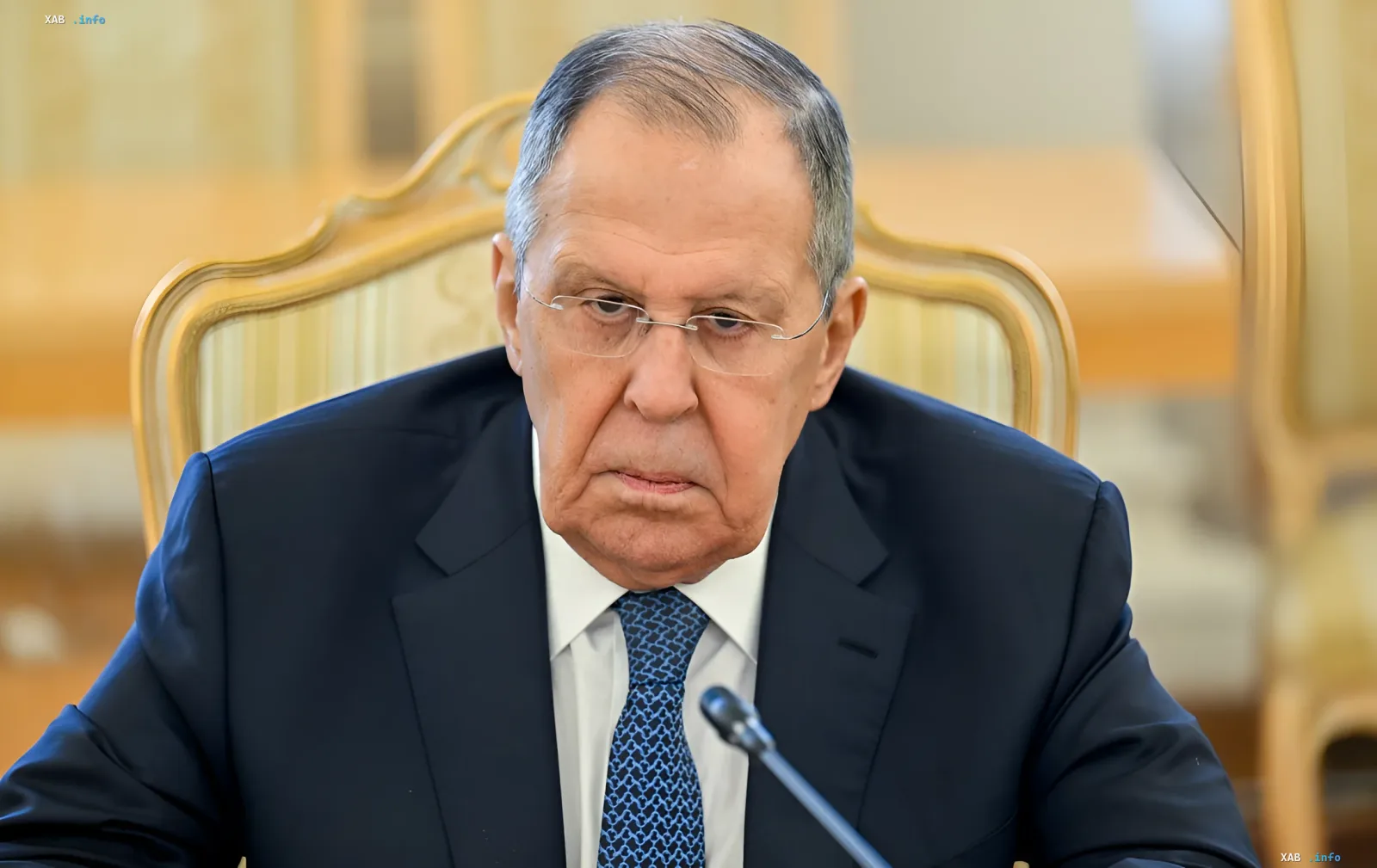
Moscow reacted sharply to the open letter from Ukrainian President Volodymyr Zelenskyy addressed to Vladimir Putin. Russian Foreign Minister Sergey Lavrov stated that publishing such a document "is not the action of polite people".
A letter that was no secret
On June 4, the Office of the President of Ukraine published the text of Zelenskyy's appeal to Putin. In it, the Ukrainian leader proposed a meeting in a third country to discuss the conditions for a lasting peace. However, the President's team understood that the Kremlin was unlikely to react constructively. The letter was calculated to address several audiences at once — not only the Russian leader, but also Russian elites and the international community.
Reaction from the Kremlin: 'This is not negotiations, but an indication that they are unnecessary'
At the St. Petersburg International Economic Forum (SPIEF), Vladimir Putin personally commented on the situation. According to Lavrov, the Russian President assessed the letter "more as an indication that negotiations in Ukraine are not needed". He emphasized that publishing the appeal while simultaneously sending it around the world is not a diplomatic step, but a political gesture.
Putin rejected the proposal and responded with mockery
On June 5 at SPIEF, Putin officially rejected the proposal for a meeting. His response was accompanied by a number of statements containing insults and mockery directed at Zelenskyy and his initiative. This was an expected development, given Moscow's previous positions on the issue of negotiations.
Kyiv's response: 'Missed the chance to get out of a failing war'
In response to the Kremlin's reaction, the head of the Ukrainian Foreign Ministry, Andriy Sybiga, stated that Putin "missed the opportunity to get out of a failing war". He emphasized that international pressure on Russia would only intensify, especially after such a public refusal to engage in dialogue.
Why is this important?
Events of the last few days demonstrate that even formal peace proposals can be used by the parties as a tool of domestic and foreign policy. For Ukraine, this is a way to show the world its readiness for negotiations. For Russia, it is an opportunity to emphasize that dialogue is impossible without preliminary conditions that Kyiv is not ready to accept.


