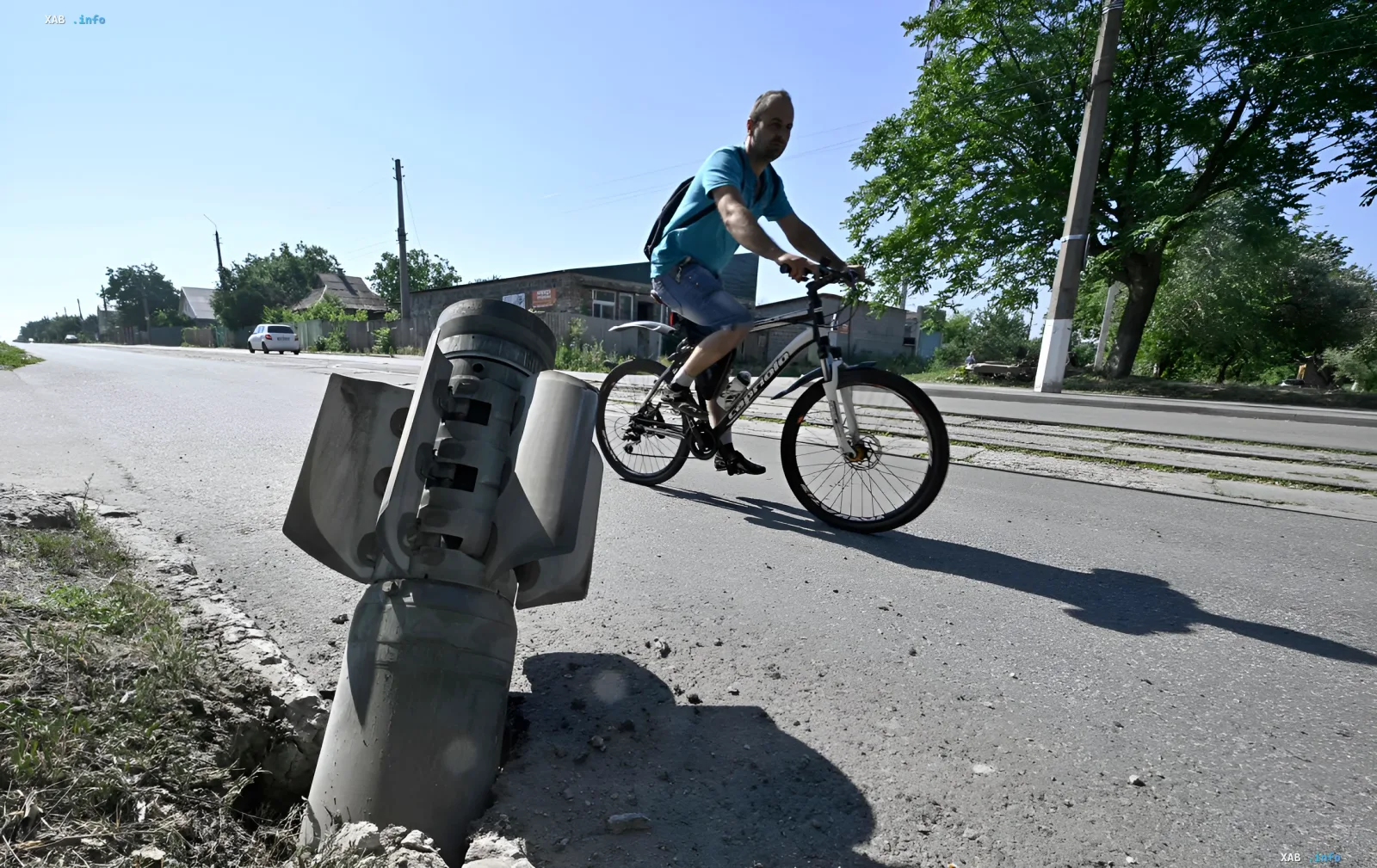
Ukraine is rolling out extensive legislative work aimed at protecting those who remain living in close proximity to the front line. The country's leadership recognizes that standard support mechanisms are no longer coping with the challenges faced by millions of citizens under daily threats.
A key event was a coordination meeting attended by representatives of the Office of the President, Prime Minister Yulia Sviridenko, government members, and People's Deputies. The outcome was a decision to draft a single comprehensive law that will establish a special legal status for frontline territories.
Figures Demanding a Response
Kyrylo Budanov, Head of the Office of the President, announced shocking statistics in his Telegram channel that became a catalyst for urgent decisions. According to him, today more than 6 million people live in the line of fire across ten regions of Ukraine.
Despite daily terror from the enemy and the destruction of hundreds of thousands of infrastructure objects, these people made a conscious choice to stay in their homes, work, and sustain life in their communities. Budanov emphasized that the state must speak to these citizens in a "clear language of figures" and actions, not just words.
Special Status and New Rules of the Game
To address accumulated problems, an interdepartmental working group has been initiated. Its main task is the immediate drafting of a bill that will regulate activities in frontline territories. The document is expected to create unique legal frameworks that account for the specifics of life in a combat zone.
Kyrylo Budanov expressed confidence that People's Deputies and the government will demonstrate operational efficiency. The main principle of the new strategy is formulated simply: people living in close proximity to the front must have absolute state support.
Economic Incentives and Benefits
Parallel to legislative work, the government is preparing a specific package of support measures. On May 16, Prime Minister Yulia Sviridenko announced a major package of benefits and incentives aimed at preserving business and population in frontline regions.
According to the Cabinet of Ministers, currently 86% of communities affected by hostilities are officially included in the list of frontline territories. This allows for targeted assistance to those who need it most.
In addition to tax and credit preferences, authorities are considering granting local enterprises the status of critical infrastructure. Such a step will help maintain economic activity and jobs even under high military danger, which is vital for retaining the population in place.


