
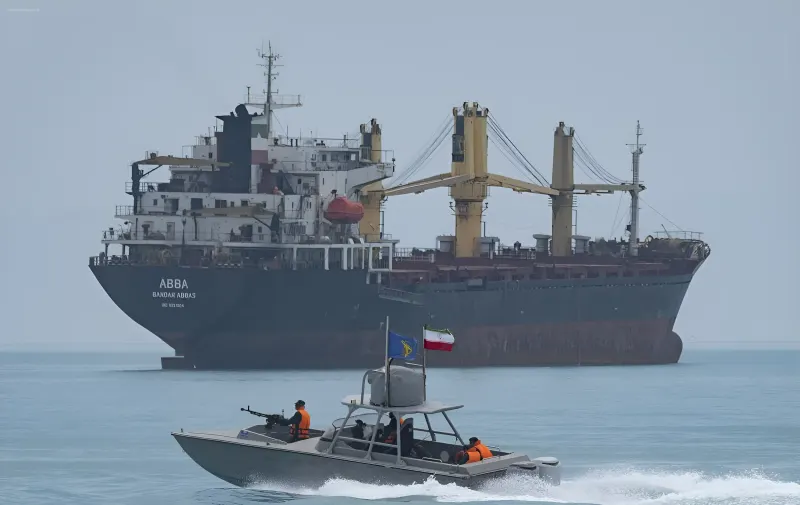
Against the backdrop of a tense situation in the Persian Gulf, where warships loom on the horizon and patrol boats navigate the straits, a new intrigue is unfolding in diplomatic circles. Iranian media, specifically the Mizan agency, have revealed details of an unofficial draft memorandum of understanding between Tehran and Washington. Born from behind-the-scenes negotiations mediated by Pakistan, the document could be the key to de-escalation in the region, but for now, it remains merely a "draft" of future peace.
The Price of Freedom for Shipping
The essence of the proposal boils down to a tough but transparent exchange of concessions. In exchange for lifting the naval blockade of Iranian ports currently enforced by the US, Tehran pledges to restore commercial shipping in the Strait of Hormuz to pre-war levels. The timeframe allotted for this is just one month. This is a critical moment for the global economy, as a significant portion of the world's oil supplies passes through this narrow waterway.
A unique detail of the draft is the control mechanism. The regulation of ship movement in the strait is proposed to be placed under joint control by Iran and Oman, which should guarantee neutrality and route safety for all participants.
Questions Without Answers
However, as is often the case in diplomacy, the text of the document contains "grey areas." In particular, the clause regarding the withdrawal of American forces from the area surrounding Iran is ambiguously worded. It is unclear whether this refers to the complete withdrawal of all military units in the region or only those stationed on bases in immediate proximity to Iran's borders. It is precisely this uncertainty that could become a stumbling block at the final stage of negotiations.
Furthermore, the plan provides for the demining of the waters by Tehran's forces within a month of signing the agreement. Only after this will ships of all nations receive the right of free passage without paying transit fees. In parallel, the parties intend to extend the ceasefire regime, which has been in effect since early April, for another 60 days.
Roadmap to the UN
If Washington and Tehran manage to overcome their differences and reach a compromise within two months, the document will be legitimized at the highest level—in the form of a United Nations Security Council resolution. This will give the agreement binding legal force and international oversight.
At present, official representatives of both sides prefer to remain silent, not commenting on the leak. Experts are reserved in their forecasts: although the mediation of Qatar and Pakistan has allowed progress on a number of issues, it is premature to speak of an imminent breakthrough. Fundamental disputes regarding the operation of strategic routes and measures to reduce tension in the Middle East remain unresolved.


