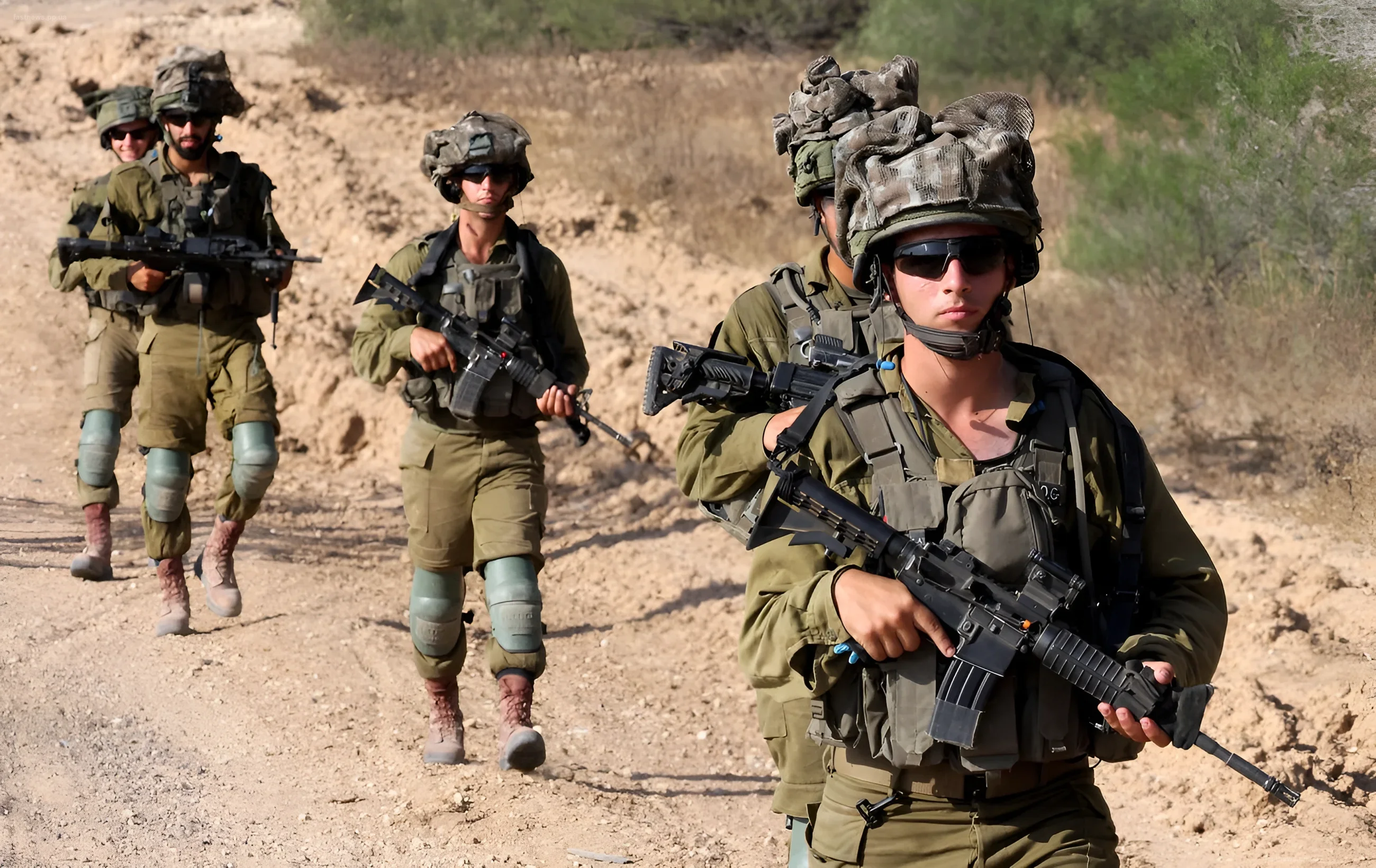
The map of the conflict in the region has once again undergone radical changes. The Israel Defense Forces (IDF) have officially expanded the combat zone in southern Lebanon, issuing an unprecedented order for the total evacuation of the civilian population. The front line has shifted northward, reaching the Zaharani River, which effectively marks the beginning of a large-scale ground operation deep into Lebanese territory.
New Border and Scale of Evacuation
We are talking about a huge area of almost 2,000 square kilometers. According to official statements by Israeli military, all territory south of the Zaharani River, located approximately 40 kilometers from the state border, is now considered a zone of active combat operations. Residents of this region are ordered to immediately leave their homes and move north.
"We strongly urge residents of southern Lebanon to evacuate beyond the Zaharani River. Areas south of it are now fully under the control of military operations," stated a representative of the army. The goal is obvious: to clear space for an attack on Hezbollah positions and the destruction of their weapons depots.
Humanitarian Crisis and Transport Collapse
The order for "free fire" in this zone has already led to chaos. According to sources in Lebanese security services, major highways have turned into giant traffic jams. Thousands of people rushing to leave the dangerous sector are heading towards the port city of Sidon, where a flow of refugees is already forming.
The escalation is happening against the backdrop of Israel launching more than 120 airstrikes on southern and eastern Lebanon in recent days. These actions constitute a direct violation of the April ceasefire agreement, which, in essence, has ceased to function under current conditions.
Netanyahu's Strategy: Security vs. Diplomacy
Israeli Prime Minister Benjamin Netanyahu justified the sharp expansion of the campaign as a necessity to protect northern communities of the country from constant terror by Hezbollah. However, a delicate diplomatic line is visible in this strategy: Israel is trying to deliberately avoid striking the capital, Beirut. This is done to avoid disrupting behind-the-scenes negotiations between the US and Iran, which could become the key to de-escalation in the region.
Technological War: Drones vs. "Iron Dome"
The conflict has entered a new phase where drones play a key role. The Israeli army is actively forming mini-air forces — special units for managing drones, designed to ensure superiority in the air and on the ground during operations against the Shia militia.
In response, Hezbollah has also moved to an active tactic of using UAVs. In recent days, militants have claimed 12 successful attacks on IDF military infrastructure. The group is paying special attention to attacks on the "Iron Dome" air defense system, trying to hit expensive anti-missile complexes with relatively cheap drones. Similar attempts have succeeded for militants before, and now they are becoming part of the regular tactics of confrontation.


