Attempted Rehabilitation via the Front: Context of the Visit
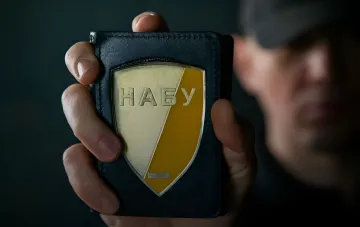
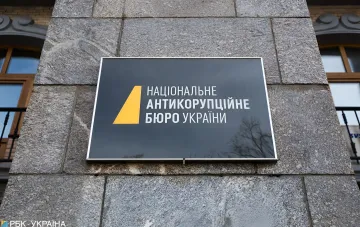
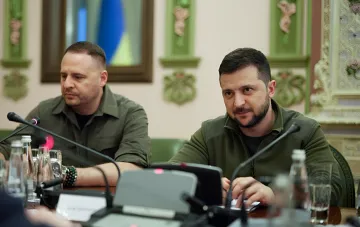
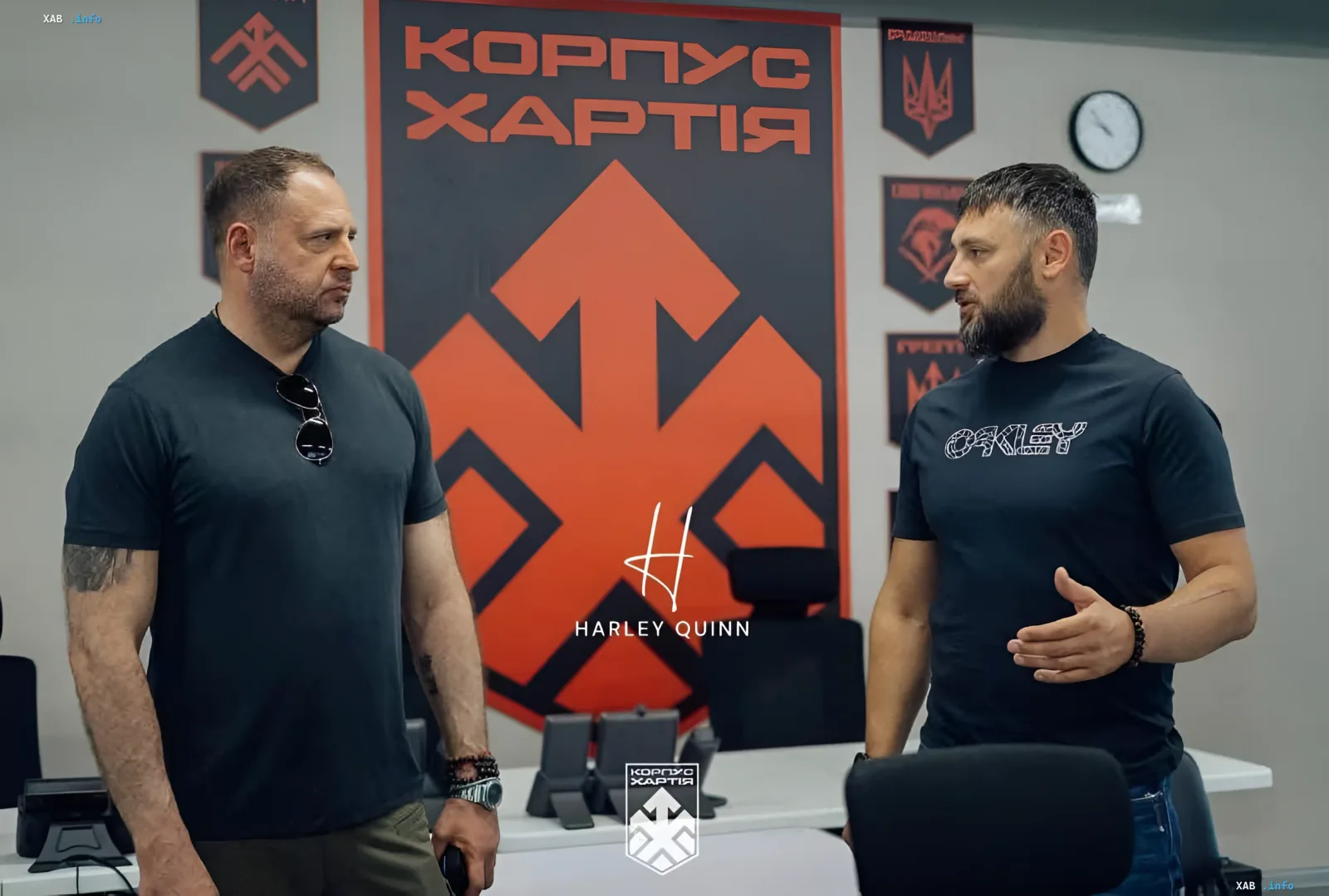
Events in the Ukrainian information space on August 15, 2026, focused on the visit of former Head of the President's Office, Andriy Yermak, to the location of the volunteer corps 'Khartiia' (13th Brigade of the National Guard of Ukraine). Officially, the trip was initiated to present the 'Advocate+' program, aimed at providing legal support to military personnel. However, the actual context of the visit was burdened by a criminal investigation being conducted by the National Anti-Corruption Bureau of Ukraine (NABU) against the former official.
In May 2026, Yermak was notified of suspicion regarding his involvement in the legalization of 460 million hryvnias obtained during the construction of the elite cooperative 'Dinasty'. Despite the High Anti-Corruption Court (HACC) extending the arrest of his property, in July the court allowed Yermak to travel outside Kyiv for 'providing legal assistance'. It was precisely this legal nuance that allowed for a photo shoot at the front, which, according to experts, is an attempt to 'whitewash' his reputation ahead of the upcoming trial.
'The Mendel Method' and Status Symbolism
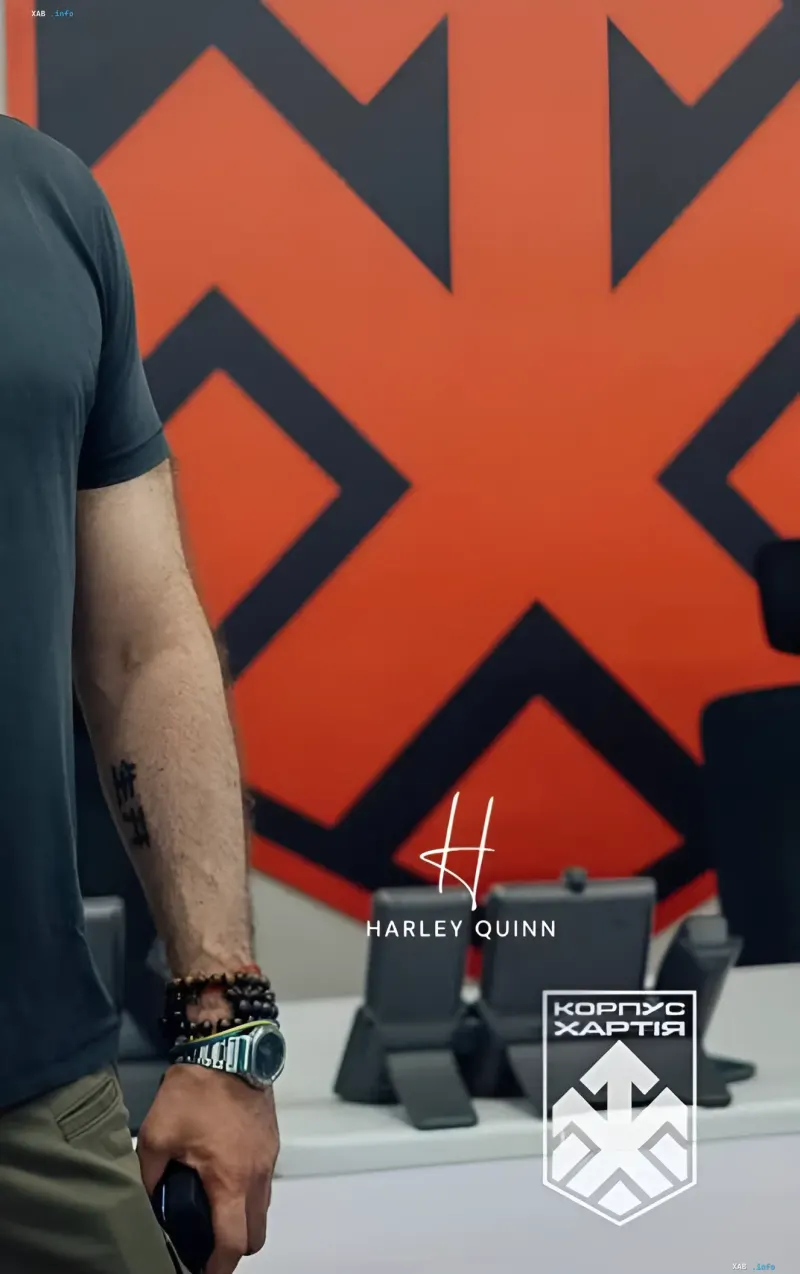
The visual component of the visit caused no less resonance than the political subtext. Appearing before the fighters, Yermak demonstrated an image that social media dubbed 'army minimalism with luxury elements'. Particular public attention was drawn to details of his wardrobe: sunglasses carelessly fastened to the collar of a t-shirt, as well as massive bracelets and watches.
Satirists and bloggers noted that the style of the former Head of the President's Office alludes to the methods of stylist Yulia Mendel, creating a contrast with the harsh realities of frontline life. At the same time, analysts note that the accessories on Yermak's hands — from bracelets symbolizing 'energy' to watches reminiscent of a 'satiated life' in the past — became a cause for discussing his current status. In particular, it is mentioned that the former official's 'spiritual strength' is now the responsibility not only of his personal stylist but also of the NABU investigative bodies.
Serhiy Zhadan's Reaction and the Rift Within the Brigade
The attempt to integrate Yermak into the agenda of one of the most authoritative units met with stiff resistance within the corps itself. Serhiy Zhadan, a well-known Ukrainian writer and musician serving in the ranks of the 13th Brigade, publicly criticized the command's decision to cooperate with Yermak's lawyer.
'Personally, I see no difference between Yermak's lawyer and Medvedchuk's lawyer. I would not want this person to represent me,' Zhadan stated on his social media. His statement triggered a wave of criticism against the brigade's leadership on Facebook and Threads, forcing administrators of the unit's official pages to close comments. The scandal revealed a deep rift between the command, striving for resource support, and the personnel, for whom the reputational risks of cooperating with a figure in corruption cases are unacceptable.
Command Justification and 'Khartiia's' Position
In response to the criticism, Brigade Commander Ihor Obolenskyi and the unit's founder Vsevolod Kozhemyako (known in the media as 'Mr. Cornichon') issued clarifications. They emphasized that Yermak had been assisting 'Khartiia' since its inception, providing resources and connections.
Kozhemyako urged the public 'not to sprinkle ashes on their heads' and to separate the brigade's combat merits from political games. According to him, in wartime conditions, commanders are obliged to use any available channels to improve supply, even if they are linked to political figures under investigation. Obolenskyi added that integration into the 'Advocate+' program is necessary to protect soldiers' rights, however, analysts note that this step dealt a serious blow to the unit's brand in the eyes of the public.
Contradictory Data
There are inconsistencies regarding the circumstances of the visit and the motives of the parties involved. On one hand, the 'Khartiia' command claims that the purpose of the visit is exclusively legal support for fighters within the framework of the 'Advocate+' program, launched by the National Association of Lawyers of Ukraine. On the other hand, critics and independent observers point out that Yermak is using the frontline setting to create an image of a 'patriot', which could influence the course of the trial in the HACC.
Furthermore, there are discrepancies in the assessment of the personnel's reaction. Official statements from the command speak of support for the initiative, while public statements by well-known fighters, such as Serhiy Zhadan, indicate a sharp rejection of Yermak's presence in the unit. This creates a situation where the public narrative of 'helping the army' comes into conflict with the actual mood within elite units.