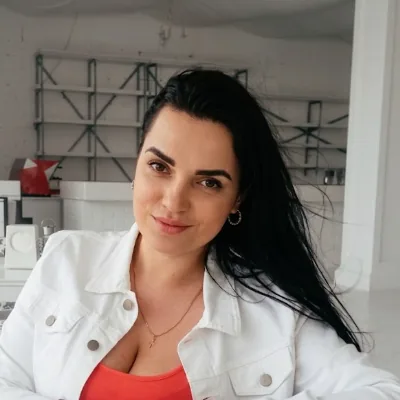

Ukrainian stand-up comedienne Lera Mandziuk, in an interview with journalist Masha Efrosinina published by the Styler project (RBC-Ukraine), spoke in detail for the first time about sexual abuse she suffered at the age of six by a relative. The artist confessed that as a child she could not comprehend what was happening and perceived the man's actions as ordinary hugs. According to her, what she experienced left a deep psychological scar: for many years she could not talk openly about what happened, experiencing the fear of condemnation, potential punishment from adults, and a false sense of guilt.
'At First, I Thought He Wanted to Hug Me'
In the conversation, Mandziuk described how at six years old she did not understand what was happening and only later realized the nature of the relative's actions. 'I still don't like pears to this day... An unpleasant situation happened there. This man turned out to be a pedophile, I didn't know that word back then. I didn't understand what was happening. At first, I thought he wanted to hug me... I didn't realize right away that we weren't just hugging,' the comedienne recalled. She emphasized that from that moment on, she developed a 'terrible trauma': fear, prohibition, and anxiety in everything related to sexuality and intimacy. According to her, some everyday associations still bring her back to those events. Mandziuk also noted that the man she spoke about was still alive at the time of the interview.
The Consequences of Trauma in Everyday Life
The comedienne spoke about how the consequences of what she experienced manifested in her daily behavior for many years. She refused to wear dresses for a long time, and when she did wear them, she constantly adjusted the fabric trying to cover her legs, feeling that the clothes were too short. As a child, the girl was afraid that adults would scold or punish her for telling, and she also worried that after her words people would treat the abuser differently. Over time, a false sense of guilt was added to these fears: Mandziuk explained that for some time she didn't mention the incident at all, returning to the memories only during her student years. 'Now I understand that this is not my fault. I was six years old, I was a child. And the only person who is to blame is this man,' the artist emphasized.
A Difficult Childhood in a Large Family
The context in which the abuse occurred was difficult. Lera grew up in a large family in Zakarpattia and was the eighth and youngest child. When she turned three, her father left the family. At nine, her mother suffered a stroke, after which the girl, along with her older sister, took on a share of household chores and farm care. In the interview, Mandziuk repeatedly mentioned that in childhood she lacked not only material wealth but also emotional attention: her feelings and experiences, according to her, were not always heard. She also spoke about abuse by her older brothers and that physical punishments were part of her childhood experience, while complaints did not always lead to a change in the situation.
From Silence to Public Expression
Over time, Mandziuk began to rethink her own experience and incorporate difficult family circumstances into her stand-up performances, turning painful memories into material for jokes. At the same time, she emphasizes that she does not want to 'blame her family all her life', but strives to comprehend what she experienced and move on. 'This greatly influenced me as a girl, a person, and a stand-up comedienne in particular,' the artist said. In the interview, she stated that she does not consider what she experienced something to hide, be ashamed of, or be afraid to discuss. 'I do not agree that this is something that needs to be hidden, ashamed of, or feared to talk about,' Mandziuk stated, adding that responsibility for sexual abuse always lies with the abuser, not the victimized child.
Reaction and Context
The story told by Lera Mandziuk became part of a broader discussion about how public figures use their platforms to talk about childhood, violence, and psychological trauma. In the Ukrainian media space where the comedienne regularly performs, such statements are perceived as an important contribution to normalizing the topic and removing the stigma from victims. Styler, an RBC-Ukraine project specializing in entertainment and lifestyle content, published the interview as part of its regular format of conversations with artists. At the time of publication (October 2026), the comedienne continues active concert and media activities.


