The Russian banking sector, traditionally the locomotive of the economy, has faced an unprecedented crisis in mid-2026. The country's two largest state-owned banks — Sberbank and VTB — are recording a sharp deterioration in the quality of their loan portfolios. According to data from financial reports and confirmed by intelligence sources, the banks are forced to switch from active lending to emergency debt restructuring, signaling systemic pressure on the Russian economy.
Catastrophic Growth in Mortgage Loan Defaults
The situation at Sberbank, the country's largest financial institution, is causing serious concern. Over the last quarter, the share of Stage 3 problem loans rose from 4.8% to 5.5%. In absolute figures, this means that out of a total portfolio of $658.7 billion, about $36.3 billion are now classified as problematic. Particularly dramatic changes have occurred in the mortgage segment: overdue payments there have risen by almost 50%. This indicates that the population is losing solvency, unable to cope with debt servicing against the backdrop of high credit costs and stagnant incomes.
Sberbank CEO Herman Gref, in his recent speeches, admitted that the bank's credit committee work has transformed: it is now focused primarily on debt restructuring rather than issuing new loans. Deputy Chairman of the Board Taras Skvortsov, in turn, adjusted the forecast for the Russian economy's growth in 2026 to minimal values in the range of 0–0.5%, warning of a probable increase in the tax burden as early as next year, 2027.
VTB on the Brink of Minimum Capital Adequacy Standards
The situation at VTB looks even more critical. The bank, which holds about 8 trillion rubles of household deposits, has faced a 20% drop in profit in the first half of the year and a 34% drop in the second quarter. In response to the crisis, the bank's management announced a 10% reduction in headquarters staff. Financial indicators show an alarming trend: return on equity fell from 20.5% to 13%, and capital adequacy dropped to 10.7% — a value dangerously close to the Central Bank of Russia's minimum requirement of 10%. In just one quarter, VTB was forced to increase reserves for problem loans by almost a third, to 66.5 billion rubles.
The Domino Effect: Wildberries Troubles and Ukrainian Strikes
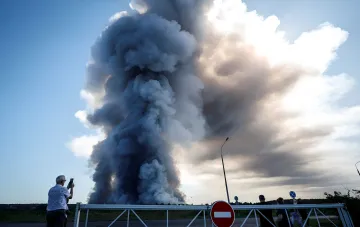
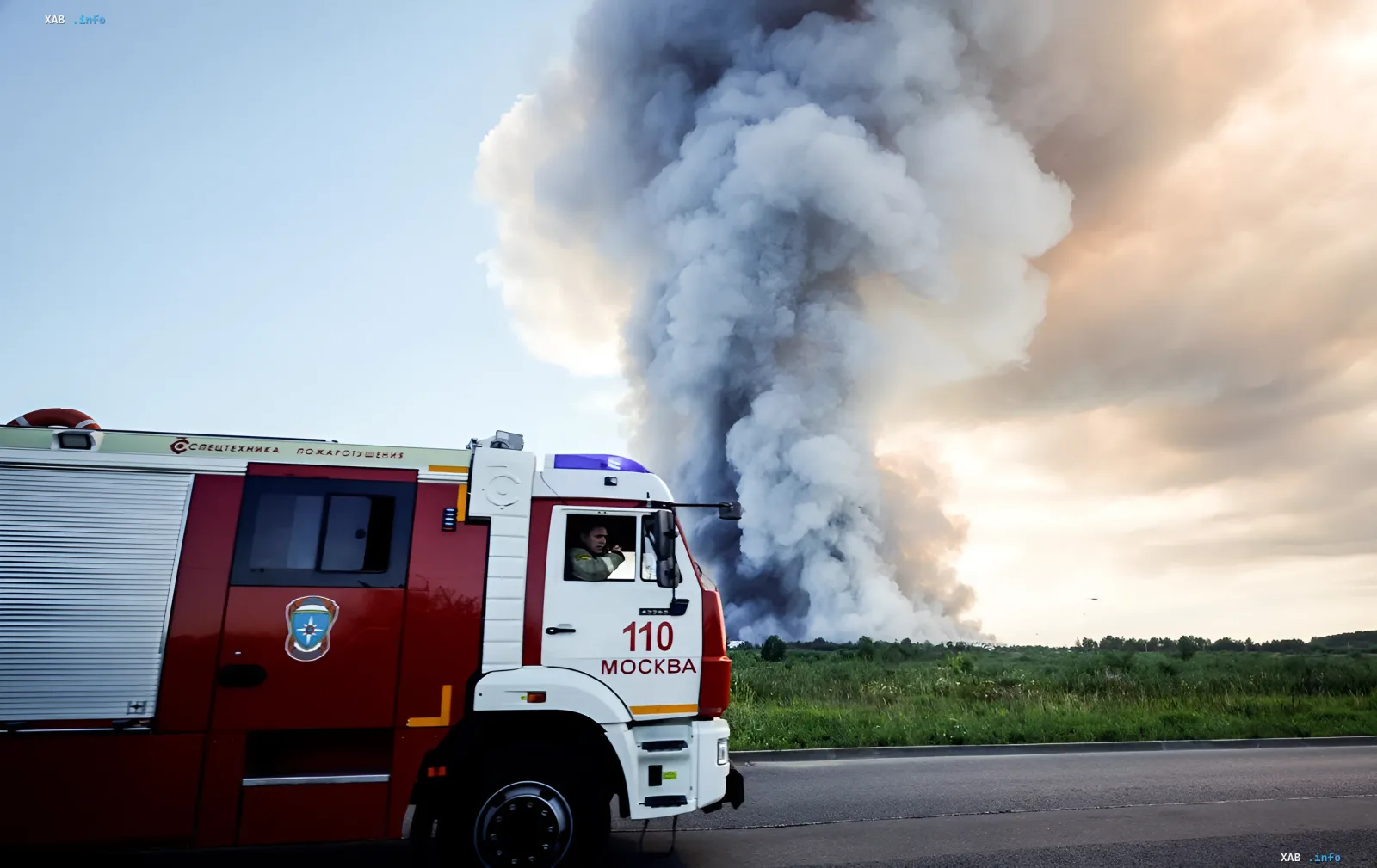
Significant contribution to the worsening situation came from problems in the e-commerce sector. Sberbank recorded a rise in problems among marketplace clients, specifically Wildberries. According to Forbes, Ukrainian forces have already destroyed at least 17% of the marketplace's warehouse facilities. Over the past two weeks, attacks on the assets of Russia's largest retailer have become almost daily. Against the backdrop of these losses, the company was forced to introduce strict restrictions, including a ban on using smartphones at workstations from August 3, and began actively seeking logistics capacity in Kazakhstan.
VTB stocks, which have a strategic partnership with Wildberries, fell to historic lows on the Moscow Exchange. Investors fear that the marketplace's losses and the inability of its debtors to service loans will hit the bank's balance sheet. The real scale of risks may be even greater, given that a significant portion of lending was linked to defense industry enterprises, whose financial stability is also in question.
Contradictory Data
There are discrepancies in sources regarding the assessment of the current situation. On the one hand, official bank reports (Sber and VTB) record a rise in defaults and a decline in profits, but try to present this as a temporary adjustment under complex macroeconomic conditions. On the other hand, data from the Ukrainian Foreign Intelligence Service and independent analysts indicate that the problems are systemic and exacerbated by the direct impact of military actions on key assets (marketplace warehouses). While the bank may interpret the rise in reserves as a sign of financial prudence, external observers see in this a sign of the inevitable default of a significant portion of borrowers and a loss of liquidity.