
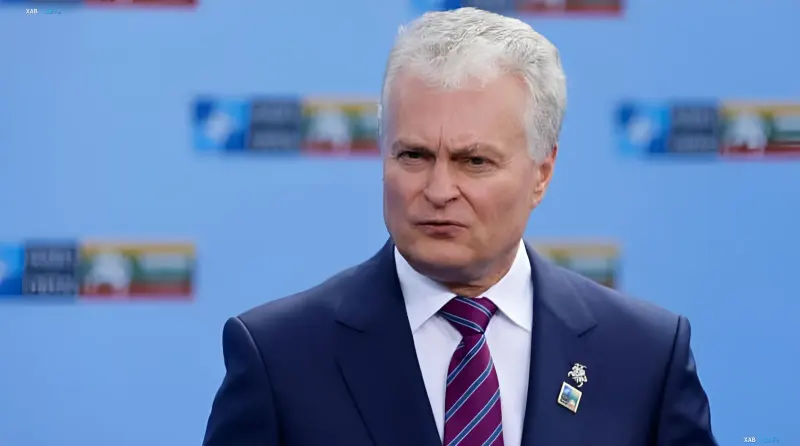
A new wave of events is unfolding in the diplomatic circles of Eastern Europe. The President of Lithuania, Gitanas Nausėda, has officially declared his country's willingness to act as a mediator in the prolonged dispute between Ukraine and Poland. This decision, announced in an interview with the national broadcaster LRT, is a reaction to the sharp cooling of relations between two key regional partners.
Conditions for Mediation and Action Plan
Nausėda clearly outlined the boundaries of possible intervention by Vilnius. The Lithuanian leader emphasized that his country is ready to help normalize relations only upon a direct request and mutual interest from both Kyiv and Warsaw. Without the consent of both parties, mediation is impossible.
To implement this initiative, a specific meeting has been scheduled. On June 27, 2026, Gitanas Nausėda intends to hold informal consultations with the President of Poland, Karol Nawrocki, at his summer residence. The goal of the visit is to discuss ways to ease tensions and find common ground for dialogue.
Strategic Context and Positions of the Parties
The basis of Lithuania's proposal is the understanding that maintaining strategic ties between the Baltic and Black Sea countries is critically important under conditions of external pressure. However, despite Vilnius's willingness to help, the official bodies of both countries currently declare their intention to settle differences independently.
The Ministry of Foreign Affairs of Poland, in particular through statements by Minister Radosław Sikorski, insists on direct bilateral dialogue without the involvement of external arbitrators. A similar pragmatic approach was demonstrated by the Ukrainian delegation. During the Ukraine Recovery Conference in Gdańsk, Vice Prime Minister Yulia Sviridenko confirmed Kyiv's desire to de-escalate the crisis, noting that current security challenges require moving away from historical disagreements.
Crisis Chronology: From Orders to Diplomatic Demarches
The situation escalated into an open diplomatic crisis on June 19, 2026. The Office of the President of Poland issued a decree stripping Ukrainian President Volodymyr Zelenskyy of the Order of the White Eagle. The reason for this step was sharp disagreement regarding the historical assessment of the activities of the Ukrainian Insurgent Army (UPA) and the bestowal of honorary names to units of the Ukrainian Special Operations Forces.
Events developed rapidly:
- June 19: Issuance of the decree stripping Zelenskyy of the order. This became an official demarche by Warsaw.
- June 20: Ukraine responded with a mirror move, returning the insignia through diplomatic channels.
- June 26: Ukrainian Minister of Foreign Affairs Andriy Sybiha stated the need for parity and the readiness to use all legal tools to restore equal partnership.
- June 27: Working visit of Gitanas Nausėda to Poland for consultations.
Legal Framework and Prospects
According to Polish legislation, the president possesses the exclusive right to revoke state awards, which was utilized in this case. The Ukrainian side, in turn, appeals to the 1961 Vienna Convention on Diplomatic Relations, using formats of informal consultations with third countries to prepare the ground for official negotiations.
It is important to note that according to OSCE regulations, mediation by a third party is recognized as a legitimate tool only in the presence of full consensus among all participants in the dispute. Thus, the success of Lithuania's initiative directly depends on whether Kyiv and Warsaw can agree on the need for an external arbitrator to break the deadlock.


