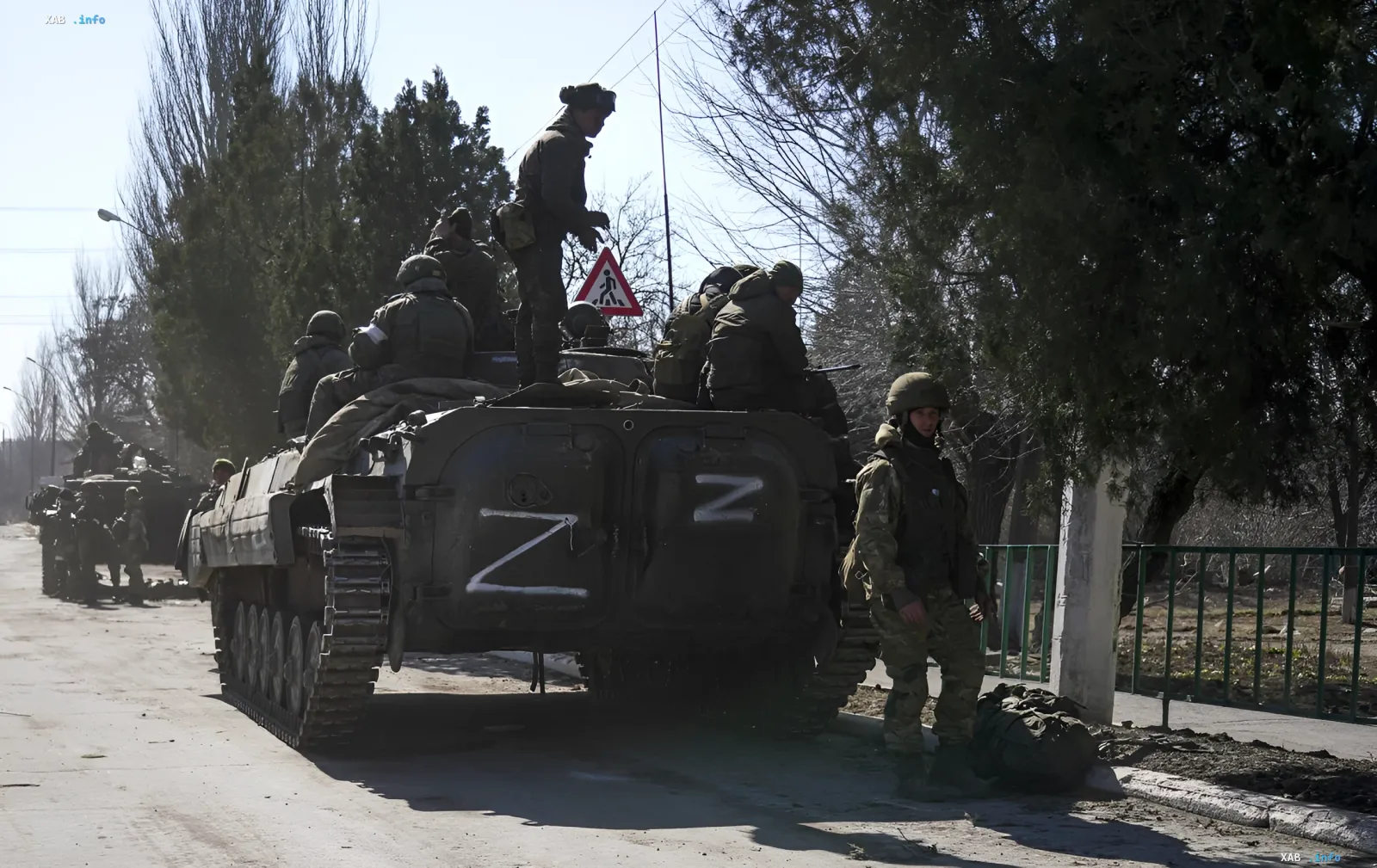
Russian occupation forces are forced to radically revise logistical schemes and supply routes in the southern direction. The reason for such radical changes was successful strikes by the Ukrainian Defense Forces on key transport arteries connecting Crimea with the mainland. Intelligence data indicates that the enemy is trying to minimize losses by switching to covert transportation methods.
Civilian vehicles instead of military columns
Spokesperson of the Southern Defense Forces, Vladyslav Voloshyn, revealed details of the new supply strategy being implemented by the enemy during a TV marathon. According to intelligence, Russia plans to move main ammunition depots to a distance of more than 200 kilometers from the line of contact. From these remote bases, small field depots should operate, where the stock of ammunition and missiles will be calculated for no more than two days.
The cargo delivery process itself is undergoing significant changes. To avoid the attention of Ukrainian drones and artillery, the enemy plans to use civilian transport.
“All transportation will be carried out, for example, by civilian transport, passenger cars with trailers. And the personnel involved in these transports should not be dressed in uniform, they should be in civilian clothes or in the uniform of representatives of utility services,” Voloshyn noted.
Waterways and small groups
In addition to ground logistics, the occupiers are considering the possibility of using water transport to supply fuel and lubricants. In particular, the plan involves attracting small sea tankers, raid bulk barges and barges to the ports of Berdyansk and Skadovsk.
The transportation of personnel is also becoming more fragmented. Instead of transporting large groups in canvas vehicles or buses, which easily become targets, the Russians plan to use secondary roads and transport soldiers in small groups on small vehicles.
The echo of strikes on bridges
The reason for the change in tactics was a series of successful attacks on critically important infrastructure. On Sunday, June 7, the Ukrainian Defense Forces struck the Chongar Bridge, connecting occupied Kherson region with Crimea. Traffic on the crossing was restored only in reverse mode, but on June 9, the bridge was attacked again by drones, which again led to a stop in traffic.
Subsequently, the Center for Strategic Communications and Information Security (CSCIS) reported that the Chongar Bridge was completely destroyed after a series of strikes. In response, the occupation authorities recommended using alternative routes through Armenian and Perekop.
The situation worsened on the morning of June 10, when a bridge between Henichesk and the Arabat Spit was blocked on the temporarily occupied part of the Kherson region. This is already the second important crossing where traffic has been stopped in recent days.
On the night of June 11, explosions were heard in Crimea: public pages reported fires in Simferopol and Sevastopol, as well as damaged bridges on land entrances. The loss of key logistical nodes is forcing the Russian command to look for detours, which, however, significantly reduce the efficiency of supply and increase risks for personnel.


