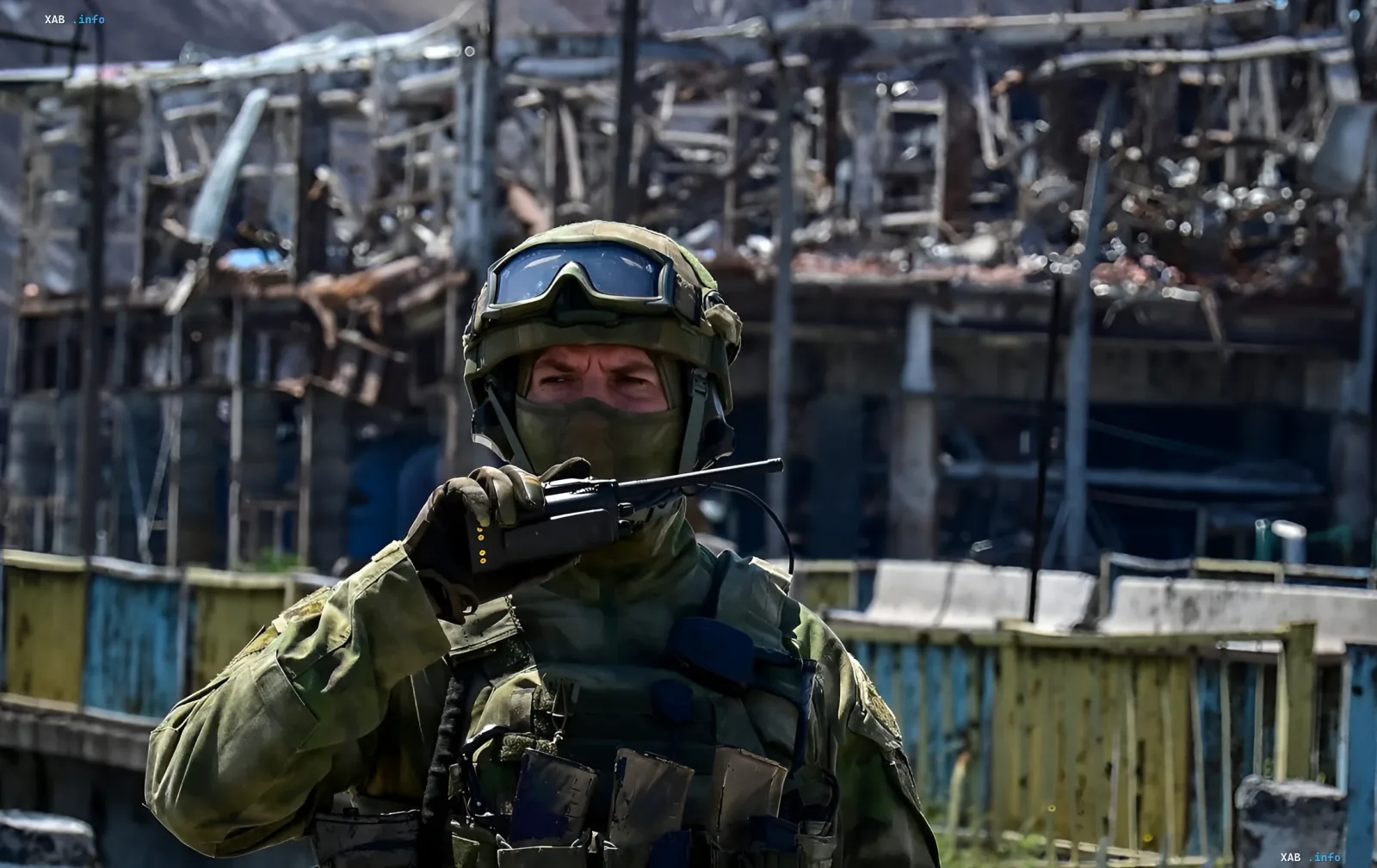
The combat situation on the southern front has undergone significant changes. According to Vladyslav Volyshyn, spokesperson for the Southern Operational Command of the Armed Forces of Ukraine, Russian forces are facing serious supply issues. As a result of successful Ukrainian military operations targeting logistical routes, the enemy's offensive potential has been cut in half.
Enemy Tactical Shift
During a televised broadcast, Volyshyn noted that strikes on the enemy's rear areas directly impact their ability to conduct active offensive operations. While more than 50 assault attempts were recorded just a few days ago, the number has halved over the past 24 hours. However, this decrease in assault intensity does not signal a general lull: the volume of drone strikes and artillery shelling remains at previous levels.
The key factor forcing the Russian command to change its strategy is the logistical blockade. Due to the inability to quickly deliver artillery and ammunition via main roads, the occupiers have begun to rely more heavily on aviation. As the spokesperson explained, the enemy is attempting to compensate for the shortage of ground resources by increasing the use of guided air bombs.
Disruption of Key Arteries
The reduction in combat activity is linked not only to the accumulation of forces but also to the physical destruction of critical infrastructure. Strikes were launched not only against the famous Chonhar Bridge, connecting Crimea with occupied Kherson region, but also against crossings on the North Crimean Canal.
Ukrainian forces are paying particular attention to controlling the R-208 highway (known as the "Novorossiya" route). Blocking this artery forces Russian columns to use secondary routes, which are significantly longer and in poorer condition. This creates critical delays in supply deliveries and slows down the pace of their advance.
Chronology of Infrastructure Strikes
A series of attacks on transport hubs began in early June and gained momentum:
- June 7: Defense forces launched the first strike on the Chonhar Bridge. Traffic was restored only in a reversible mode.
- June 9: A repeat drone attack led to a complete halt in traffic. Authorities of the occupation regime recommended using alternative routes via Armenian and Perekop.
- June 10: In the morning, a second critical crossing was blocked — the bridge between Henichesk and the Arabat Spit.
- Night of June 11: Powerful explosions were heard in Crimea. Reports emerged of fires in Simferopol and Sevastopol, as well as damage to bridges at land entry points to the peninsula.
According to the Joint Forces Command, the Chonhar Bridge was completely destroyed as a result of a series of strikes. The loss of these strategic objects deals a significant blow to the Russian military's ability to hold and supply their positions on the front line.


