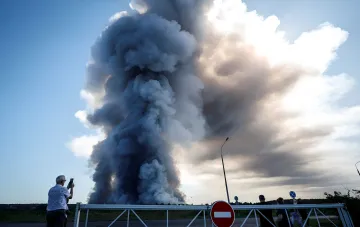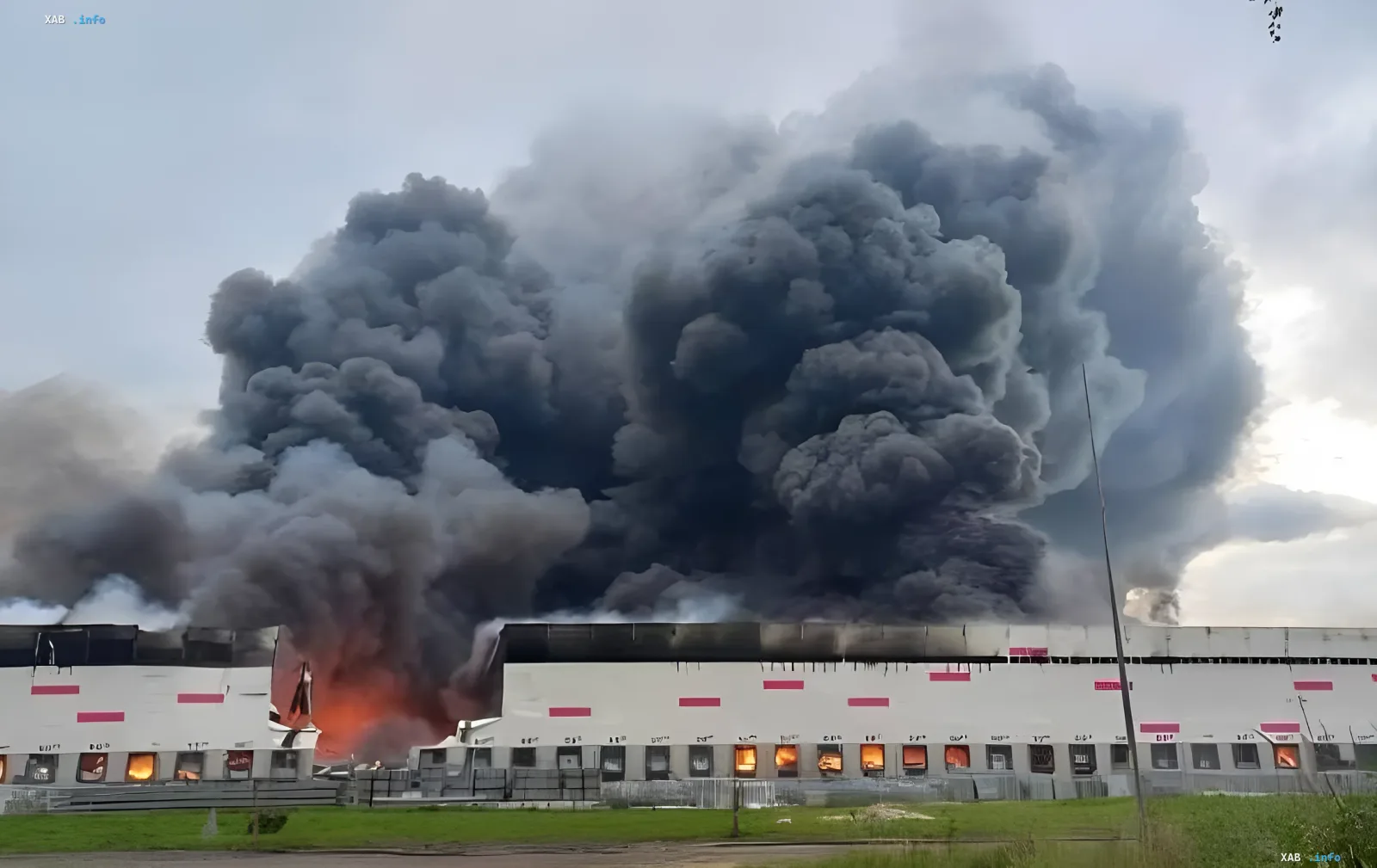
A series of drone attacks on key logistics centers of Russia's largest marketplaces has dealt a blow to the internal distribution system. According to the latest data, strikes on Wildberries and Ozon mega-warehouses have disabled up to 9% of the country's warehouse capacity. This event has already led to a weekly drop in turnover of 10.6% and created a threat of a complete halt in commodity flows.
Destruction of the Logistics Artery
The Russian e-commerce industry has historically relied on a centralized model. More than 60% of warehouses are concentrated in the capital agglomerations — Moscow and St. Petersburg. It was on these hubs that Wildberries, controlling 47% of the market with a turnover of $78 billion, placed its bet. The destruction of central terminals has led to the formation of a critical "bottleneck".
Commodity flows are stuck in regional nodes — Kazan, Rostov, Yekaterinburg, which are physically not designed for such a load. This is forcing retailers to urgently decentralize, restructuring logistics chains under the threat of collapse.
Economic Consequences for Business
The consequences of the strike go far beyond logistics. The suspension of shipments has effectively frozen the capital of hundreds of thousands of small sellers. For small businesses, the situation is critical: the median revenue of a seller on Wildberries is about $7,500, while most lack a financial buffer. Even a pause of 1–2 weeks could push entrepreneurs into a negative scenario.
However, experts believe that a mass wave of bankruptcies is still far off, although business operations are significantly deteriorating. Alexander Bondarenko, CEO of the Bureau of Investment Programs and founder of GreenInvest, notes that forced decentralization makes the system less efficient, but more resilient to the loss of individual hubs.
Inflationary Risks and the Central Bank's Trap
The situation is exacerbated by macroeconomic factors. Boris Kushniruk, Head of the Expert-Analytical Council of the "Ukrainian Analytical Center", warns of an increase in non-performing loans and the risk of freezing deposits. This is happening against the backdrop of rising inflation rates, devaluation, and reduced access to working capital.
The Central Bank of Russia has found itself in a difficult dilemma. Attempts to lower the key rate (to 14%) to stimulate economic growth of 0–1% contradict the acceleration of inflation, which is forecast at 6–7%. An additional pressure factor is the fuel shortage due to strikes on oil refineries, which further exacerbates inflationary risks for the Russian economy.