
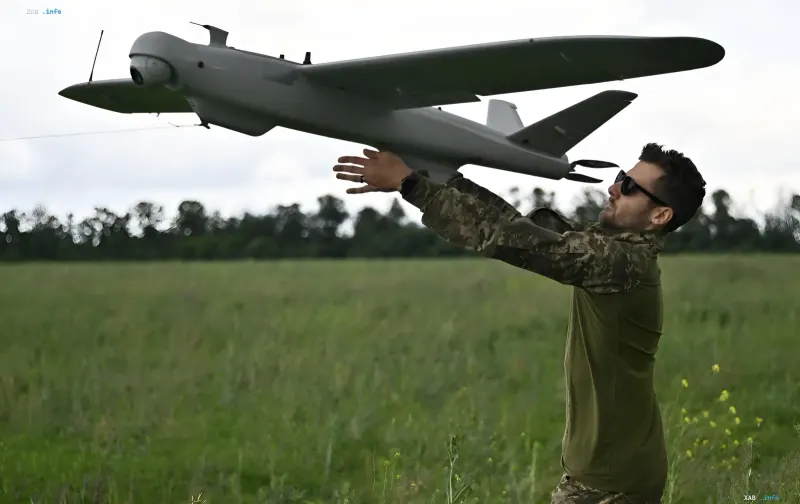
The Russian command was forced to make an unprecedented decision: officially ban the movement of its own military vehicles along a key logistical artery connecting Mariupol and Simferopol. The reason was the effectiveness of the Ukrainian Unmanned Systems Forces, which established full fire control over the R-280 highway.
This was reported on June 7 by the Commander of the Unmanned Systems Forces of the Armed Forces of Ukraine, Robert "Madyar" Brovdi. According to him, the Russian occupiers can no longer use this route for transporting cargo, as it has turned into a high-risk zone due to systematic attacks by Ukrainian drones.
Drop in transport intensity
Statistics from the last two weeks clearly demonstrate the scale of the problem for the Russian army. The intensity of traffic on the closed route has dropped by 71%. If previously about 3,800 trucks with military equipment and supplies passed along the highway daily, this figure has now fallen to 1,100 units.
Robert Brovdi clarified that this does not yet amount to a complete blockade of all logistical routes in this direction, however, a significant blow has been dealt to the land corridor between Crimea and Donetsk. Operators of the unmanned systems units of the GUR continue to disrupt the occupiers' operations, striking even in the enemy's deep rear.
Consequences for occupied Crimea
The disruption of logistical chains has already begun to affect the daily lives of the population of temporarily occupied Crimea. A shortage of basic food products is being recorded in local stores. Sugar, cereals, flour, and pasta are disappearing from the shelves.
In response to the shortage of goods, retail chains are forced to introduce purchase limits per person. Previously, Ukrainian intelligence also successfully attacked military trains in Crimea, which were used to transport ammunition, fuel, and military equipment, which exacerbated the supply situation.


