The logistics situation for Russian troops in occupied Crimea has undergone critical changes. The Ukrainian Navy and intelligence services have focused their efforts on intercepting cargo moving along the so-called "land corridor." This route, which has become the main supply artery, has proven to be the most vulnerable due to its proximity to the line of contact.
Vulnerability of the "Land Corridor"
Dmytro Pletenchuk, spokesperson for the Ukrainian Navy, confirmed during a TV marathon that Russian forces are forced to shift the bulk of their logistics to this route. The geographical feature of the path — its passage in immediate proximity to the front line — turns it from a reliable artery into a "bottleneck" for the occupiers.
"At some point, they had to start getting it there, and finally that moment has come," Pletenchuk noted. According to him, the effectiveness of strikes on this route has already reached a level where the problem is becoming noticeable not only for the military but also for the civilian population.
Consequences for Civilians and Tourists
The Navy representative emphasized that the destruction of the logistics chain will hit ordinary citizens first. This refers to both illegal tourists arriving in Crimea and the residents of the peninsula. The difficulty lies in the fact that the Russian army, despite losses, continues by inertia to use these routes to deliver military cargo, which inevitably leads to the blockage of civilian vehicle movement.
"For Russians, this will be a problem, but mainly it will be a problem for ordinary Russians," Pletenchuk stated. The expert added that a real turning point on the front will occur when the rate of destruction of equipment and fuel tankers exceeds Russia's ability to replenish them.
Disruption of Supplies and Air Defense Issues
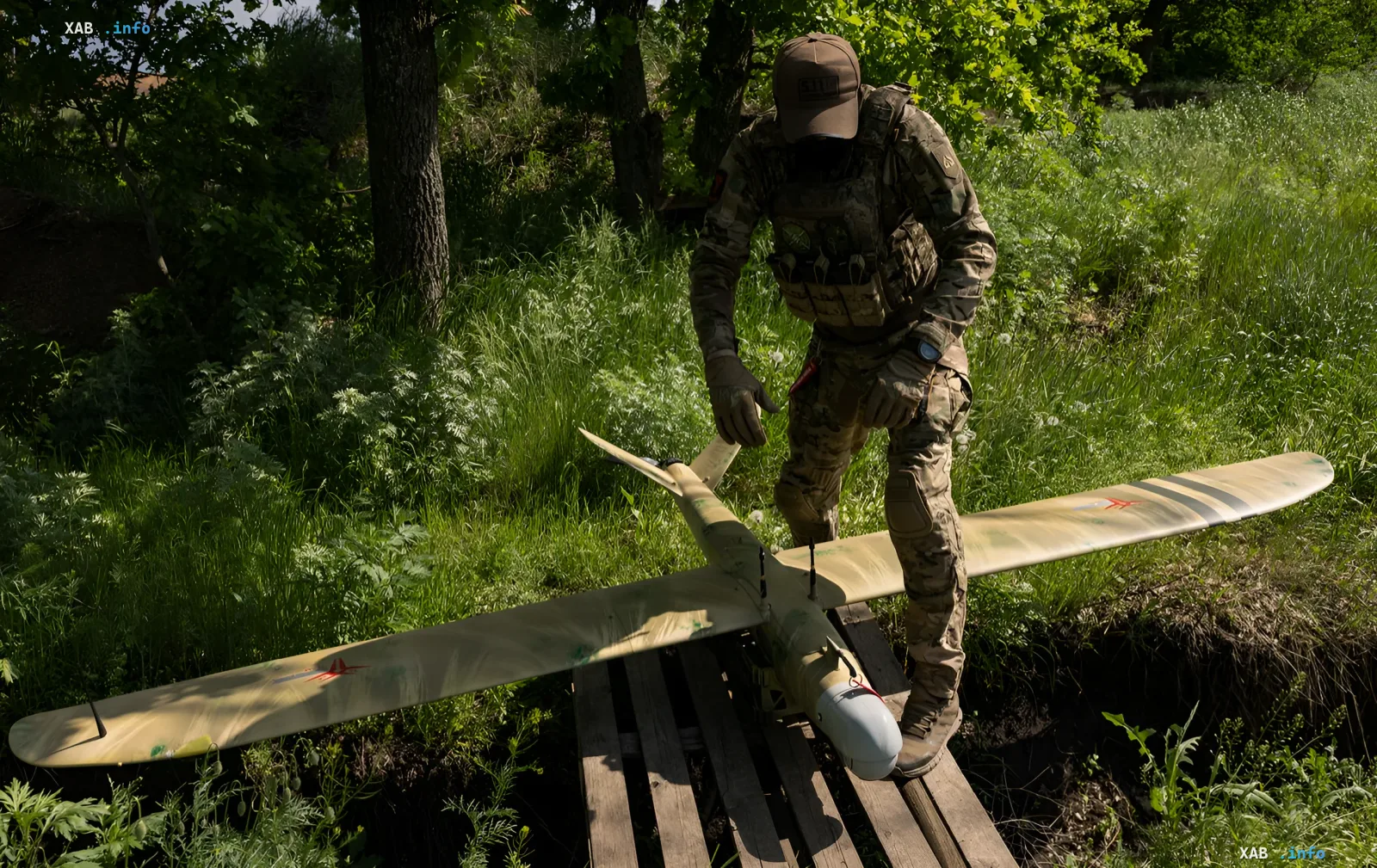
Operators of unmanned systems units of the Main Directorate of Intelligence (GUR) continue to actively work to paralyze movement between Crimea and Donetsk. The destruction of military equipment is recorded even in remote rear areas, indicating the deep penetration of Ukrainian drones into the enemy's zone of responsibility.
Previously, Ukrainian intelligence had already struck military trains in Crimea transporting ammunition and fuel. Dmytro Pletenchuk noted that the enemy will try to strengthen air defense, but adapting to such large-scale threats takes time.
"Such a threat as we have created for Russians, in particular, on this logistical link in Dzhankoy, will be quite difficult to neutralize," the Navy spokesperson concluded.


