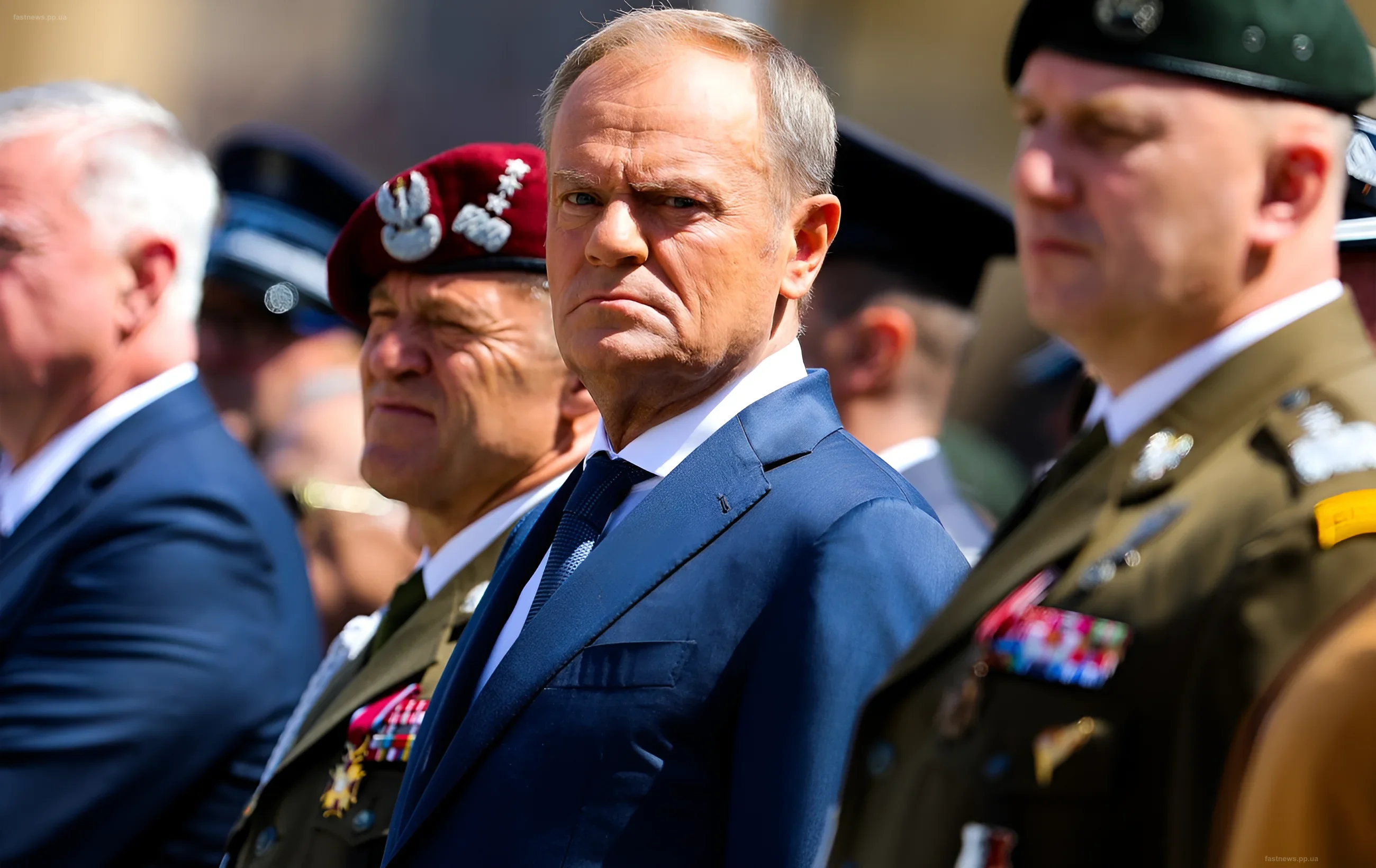
The geopolitical map of Europe is undergoing radical changes. Amidst rising tensions, London and Warsaw are joining forces to create a new security framework designed to counter threats from Moscow. On Wednesday, a historic signing ceremony will take place in the British capital, laying the foundation for a new phase of military partnership.
Strategic Alliance: Tusk and Starmer Against Hybrid Threats
Polish Prime Minister Donald Tusk and British Prime Minister Keir Starmer will personally sign the document, which experts are already calling one of the most significant defense moves in recent decades. The main vector of the new strategy is aimed at neutralizing Russian actions, which, according to both capitals, are demonstrating increasingly aggressive rhetoric and behavior.
The agreement goes far beyond simple intelligence sharing. It provides for a comprehensive approach to security:
- Strengthening border security and combating transnational organized crime.
- Creating a united front against cyberattacks and disinformation campaigns.
- Deep cooperation in the defense sector with integration into European Union structures.
Poland, being on the front lines of the conflict, views itself as the primary target for Russian intelligence services. The lion's share of military aid for Ukraine passes through Polish territory, making the country a priority target for espionage and cyberattacks. London, in turn, is ready to provide technological and industrial resources to protect its eastern partner.
Technological Leap and Response to Trump
A key aspect of the treaty will be the joint development of next-generation weaponry. This involves the modernization of air defense and anti-missile systems capable of countering modern threats. The combination of British and Polish engineering schools should give a powerful impetus to the continent's defense industry.
This step is also a political signal to Washington. Against the backdrop of Donald Trump's statements that Europe must take more responsibility for its own security, Starmer and Tusk are demonstrating that allies are ready to act independently. This is not just a reaction to US calls, but an attempt to build an autonomous security architecture that will not depend on fluctuations in American policy.
Revival of Ties After Brexit
For the United Kingdom, this treaty is part of a grand strategy to restore influence in Europe after leaving the EU. London has already concluded similar pacts with France and Germany, but the alliance with Warsaw has special significance due to its geographical proximity to the conflict zone.
At the same time, Poland is actively building a network of bilateral alliances, having signed a defense treaty with Paris in 2025 and holding negotiations with Berlin. Europe is moving from the NATO collective security model to a system of dense bilateral alliances, making the continent more resilient to external shocks.
Parallel to this, the British government is reviewing its national war plan, preparing civilian infrastructure and state structures to function in extreme conditions. It seems that the era of peace is going into the past, giving way to a new era of 'Cold War' with elements of a hot one.


