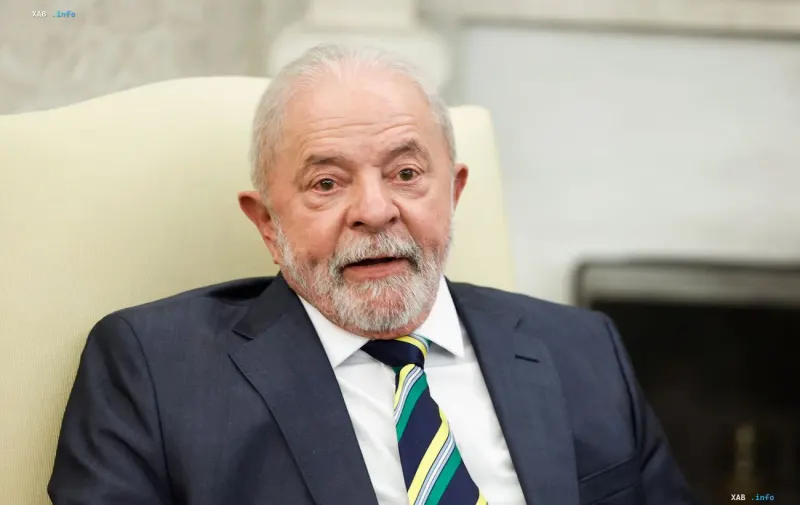
Incumbent Brazilian President Luiz Inacio Lula da Silva has won the second round of the presidential election, defeating Senator Flavio Bolsonaro and securing his fourth presidential term. According to the results of counting nearly 99% of the ballots, the 80-year-old politician won 51.75% of the vote, while his rival received 48.25%. The final gap between the candidates was about 4.3 million votes, allowing him to reverse the outcome of the election campaign following an unsuccessful first round in October.
Historical Turnaround in the Election Campaign
The current electoral race in Brazil has entered history as the first since the restoration of democracy in the 1980s where a candidate who finished second in the first round managed to win in the runoff. In early October, Lula lagged behind Flavio Bolsonaro, the son of former President Jair Bolsonaro, by about 2.2 million votes. High voter turnout and extensive mobilization of the electorate in the final stage of the campaign helped the incumbent leader turn the situation around.
Electorate Mobilization and Mass Rallies
A key factor in Lula's victory was the reduction in the turnout gap. While a record 21% of voters boycotted the vote or failed to reach polling stations in the first round, this figure dropped to 19.2% in the second round. On the eve of the decisive voting day, left-wing supporters held massive rallies: more than a million people gathered on Copacabana beach in Rio de Janeiro, and a comparable event took place on Paulista Avenue in Sao Paulo.
Political Context and International Impact
The defeat of 45-year-old Senator Flavio Bolsonaro is a severe blow to his family and personally to former President Jair Bolsonaro, who is serving a 27-year sentence for an attempted coup d'etat. The election results also affected US positions in the region: the defeat of the ally was unpleasant news for Donald Trump, who counted on strengthening the right-wing belt in Latin America. Meanwhile, Brazil maintains its stance on the international arena, advocating for a diplomatic settlement of the war in Ukraine and remaining open to dialogue with Kyiv.
Significance of Lula's Victory for the Country's Future
Luiz Inacio Lula da Silva's fourth term introduces the Latin American republic to a period of continuation of its previous political course amidst severe internal polarization. The government faces the challenges of overcoming social issues, combating crime and inflation, and maintaining the positions of left-wing forces in the region. Lula's ability to find compromises and maintain a broad coalition will determine Brazil's stability in the coming years.