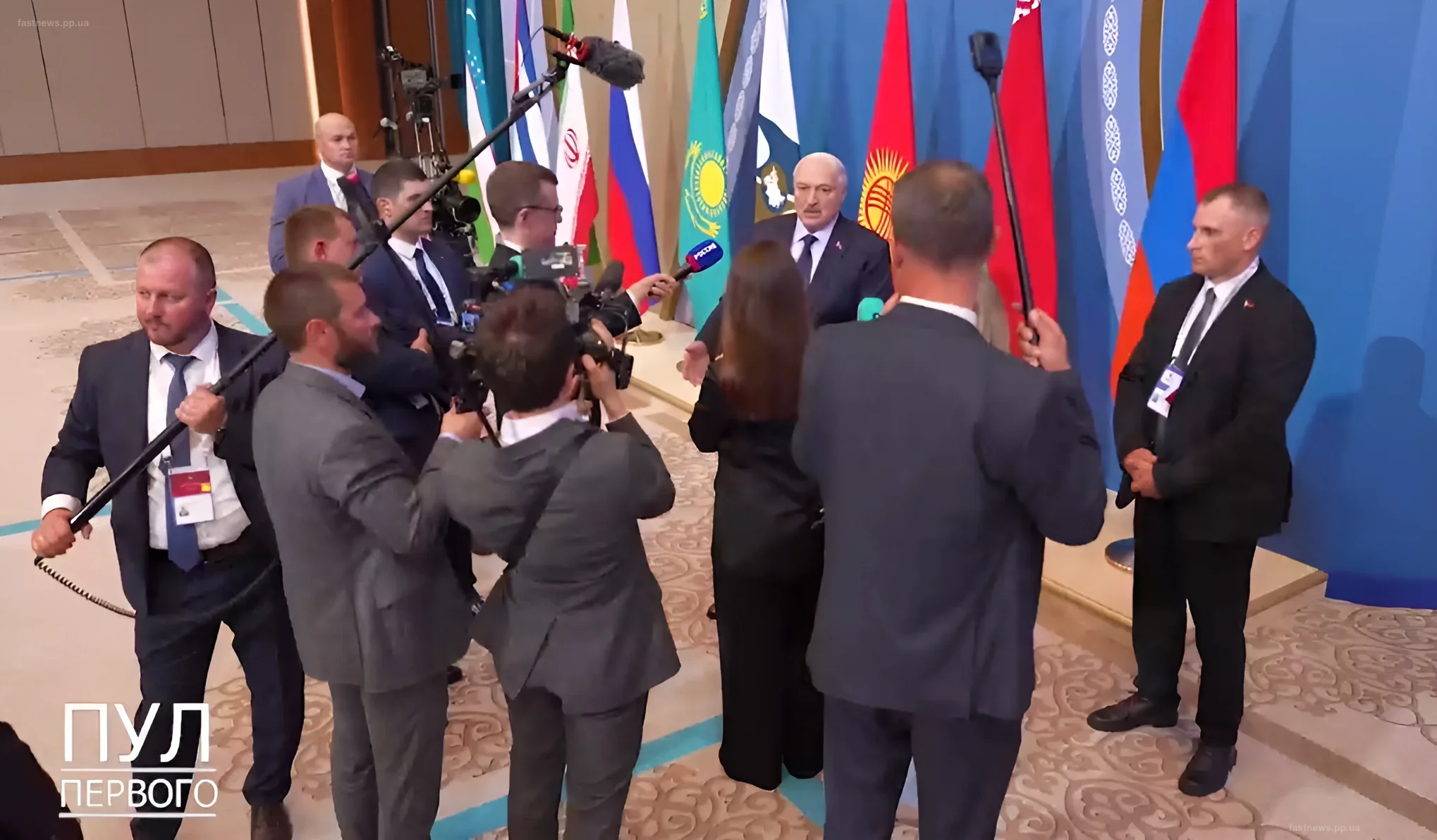
International political corridors are buzzing again about the dialogue between Minsk and Paris. Alexander Lukashenko, who rarely provides detailed comments on his phone conversations with Western leaders, has shared details of his talk with Emmanuel Macron. The meeting, which took place on May 24, became the first publicly confirmed contact between the two presidents since 2022.
Security is Resolved in Europe, Not in Washington
The conversation, lasting almost two hours, was characterized by Lukashenko as friendly and constructive. The central item on the agenda was the architecture of security on the continent. The Belarusian leader firmly stated his position: issues concerning stability in Europe must be resolved by Europeans.
"It is not Donald Trump who should be telling us what to do and pushing us towards peace; we must resolve these issues ourselves because we live here directly," declared the head of state. This phrase became the key message in the context of current geopolitical discussions.
Visit of the "Man in the Know"
The main outcome of the conversation was an agreement on contacts at the level of trusted representatives. Macron asked to have his representative received in Minsk. Lukashenko reacted to this with characteristic irony: "If you are afraid to fly to Minsk, send your trusted representative."
The visit is scheduled for next week. It is expected that the representative of the French leader — a person whom Macron trusts "absolutely" and who is "in the know" — will hear Minsk's detailed position on issues of relations with the European Union.
Economy and Potash: Old Problems and New Routes
The economic agenda was discussed separately. Macron was interested in what France and the EU could do to normalize relations. In response, Lukashenko raised the issue of mineral fertilizers. According to him, markets have already been reconfigured, and contracts for potash have been secured.
"It would be nice if, as before, we loaded this potash in Lithuania right next to us; that would increase our margins even more. But it's not working out; they don't want to meet us halfway. We load everything in Russia, so it's not a problem," he noted, emphasizing that logistics chains have already adapted to the new realities.


