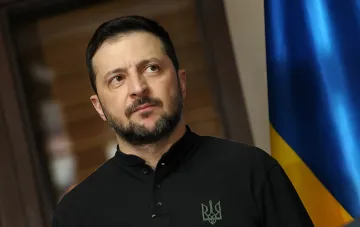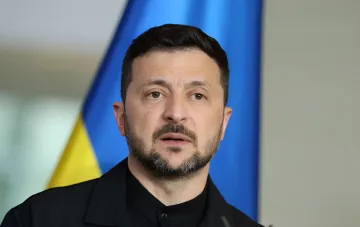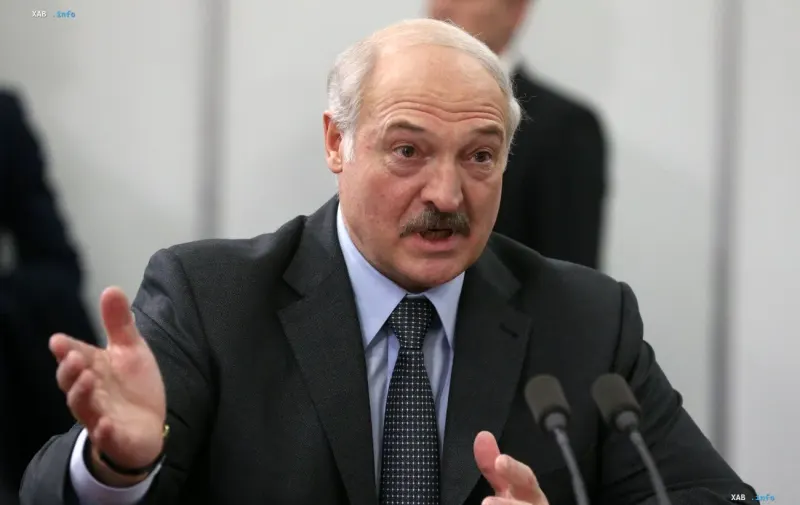
Alexander Lukashenko has proposed a joint visit to Moscow to meet with Vladimir Putin, inviting Ukrainian President Volodymyr Zelensky to fly there together. The Belarusian leader made this statement in an interview with the French magazine Le Point, justifying his proposal by citing a desire to stop the ongoing hostilities and the perceived necessity of mediation in the negotiation process.
Role of Security Guarantor and Negotiation Prospects
During the interview, Lukashenko expressed his readiness to act as a security guarantor for the Ukrainian president in the event of their joint trip to the Russian capital. According to the Belarusian leader, such a format could facilitate faster reaching of agreements regarding the end of the war and the country's future political structure. He noted that direct communication between the parties in Moscow would be more effective than current international diplomatic practices.
Reaction to a Potential Refusal
Commenting on the likelihood that the Ukrainian leadership might not accept this invitation, Lukashenko took a firm stance. He stated that in the event of a refusal to negotiate, the responsibility for continuing the conflict would lie with the Ukrainian president himself. This statement has sparked significant debate, given Kyiv's prior declarations regarding the impossibility of conducting meetings on the territory of the Russian Federation due to security concerns and their insistence on neutral venues for dialogue.
Context and Situation Assessment
Lukashenko's initiative comes against the backdrop of his repeated warnings regarding global risks, including the potential for a Third World War. The Belarusian leader emphasized that the current situation on the front lines favors the Russian side, yet insists on the need for an immediate ceasefire. Previously, the Ukrainian side has repeatedly emphasized that any negotiations with Russian leadership are only possible on neutral territory, excluding any travel to Moscow.
Significance of the Diplomatic Gesture
Alexander Lukashenko's proposal represents an attempt to force the topic of direct dialogue between the warring parties, though it is unlikely to be perceived as a constructive solution in Kyiv. The statement highlights a deep divide in the positions of both sides: Ukraine insists on sovereign rights and neutral negotiation platforms, while the Belarusian leadership actively promotes a scenario aligned with the Kremlin's agenda. Under these conditions, further developments point toward a continued deadlock in diplomatic efforts to resolve the conflict.