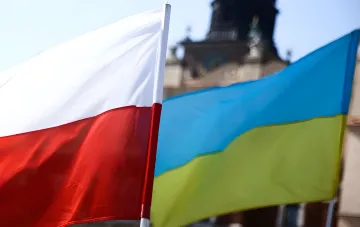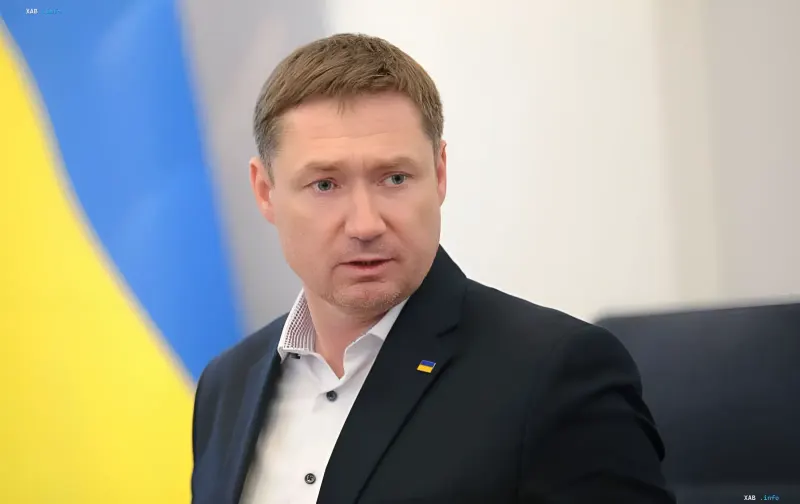
The decision by the Lviv Regional Council to declare 2027 the "Year of the Ukrainian Insurgent Army (UPA), Roman Shukhevych, and Oleh Olzhych" has no legal force at this moment. The head of the Lviv Regional Military Administration, Maksym Kozytskyi, has officially confirmed that he has not signed the document. This statement was made in the context of diplomatic correspondence with the Marshal of the Silesian Voivodeship of Poland, Wojciech Saługa.
Diplomatic efforts and international reaction
The situation surrounding the Lviv Regional Council's initiative has caused a significant resonance in Polish-Ukrainian relations. In his letter to the Polish partner, Maksym Kozytskyi emphasized that state decisions taken by government bodies must consider Ukraine's foreign policy priorities and be based on the principles of good neighborliness. The head of the OVA highlighted the value of the long-standing partnership between the Lviv region and the Silesian Voivodeship, thanking the Poles for their support of Ukraine and for providing shelter to citizens forced to leave their homes due to the ongoing war.
The reaction of official Warsaw to the regional council's decision proved critical. Polish Prime Minister Donald Tusk publicly characterized these actions as counterproductive, noting that they cause irritation in Polish society and harm Ukraine's interests. According to the Polish Prime Minister, he received assurances from the President of Ukraine, Volodymyr Zelenskyy, that this initiative would not receive support at the highest level, and the head of state himself expressed dissatisfaction with the incident.
Domestic political context and the position of the Ministry of Foreign Affairs
In addition to the regional administration, a negative assessment of the regional deputies' actions was given by the central apparatus of the Ukrainian Foreign Ministry. Minister of Foreign Affairs Andrii Sybiha officially called the regional council's decision counterproductive, focusing on the need to maintain balance regarding sensitive issues of historical memory. The Polish diplomatic department, represented by Deputy Foreign Minister Marcin Bosacki, confirmed that the Office of the President of Ukraine had expressed readiness to prevent the controversial decision from coming into legal force.
Significance of the events for bilateral relations
This episode demonstrates the complexity of dealing with themes of historical heritage under the conditions of the current military-political alliance. The OVA head's refusal to sign the decision testifies to Kyiv's desire to minimize diplomatic risks and avoid tension with a key ally. In the long term, as Kozytskyi emphasized, any discussions on historical memory should take place in an atmosphere of openness, mutual respect, and a deep understanding of the dramatic pages of a shared past, avoiding escalation that could harm the current strategic partnership.